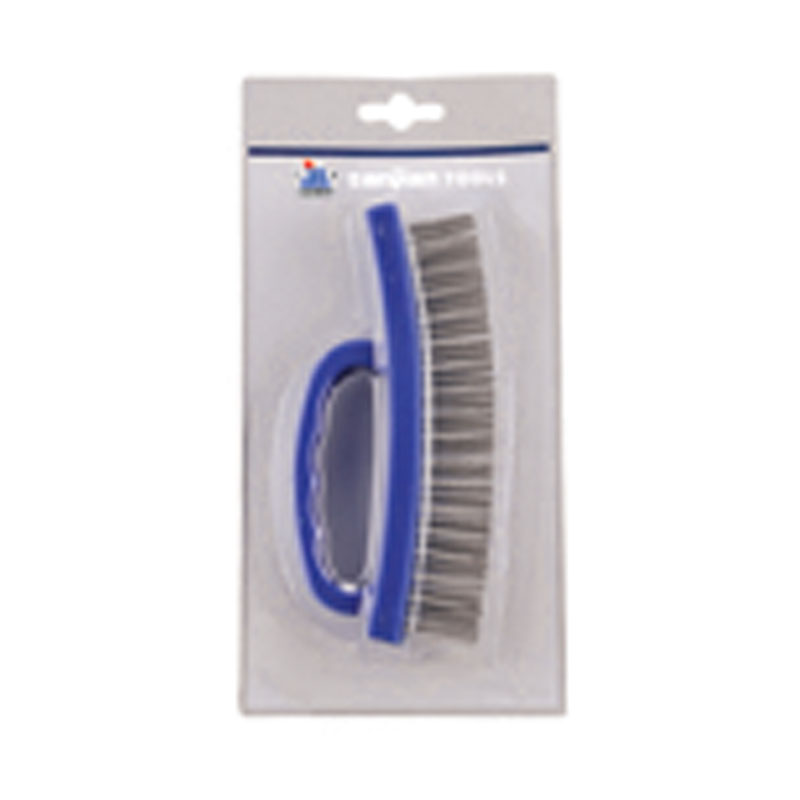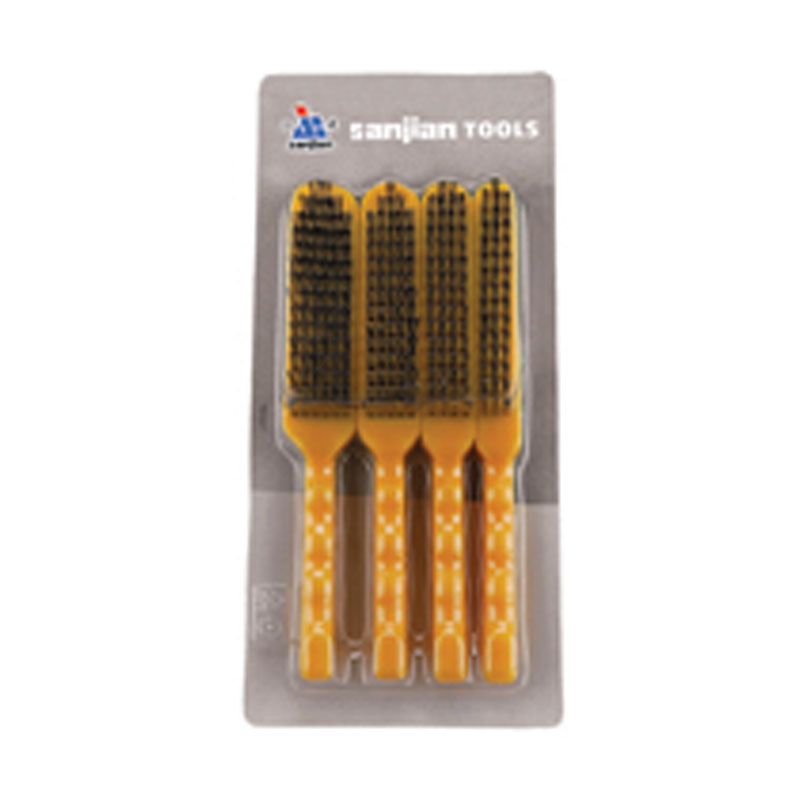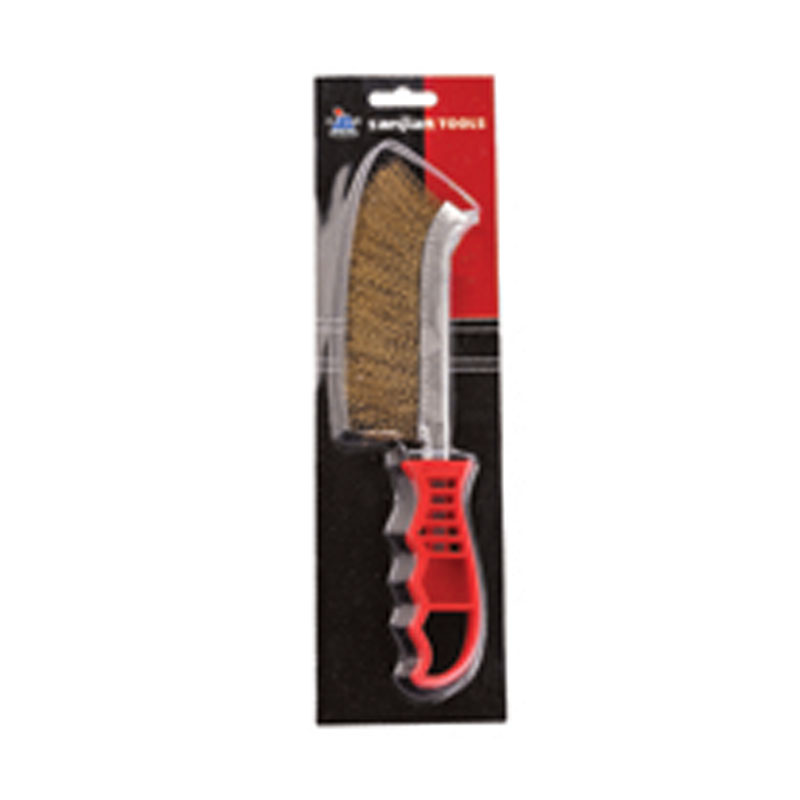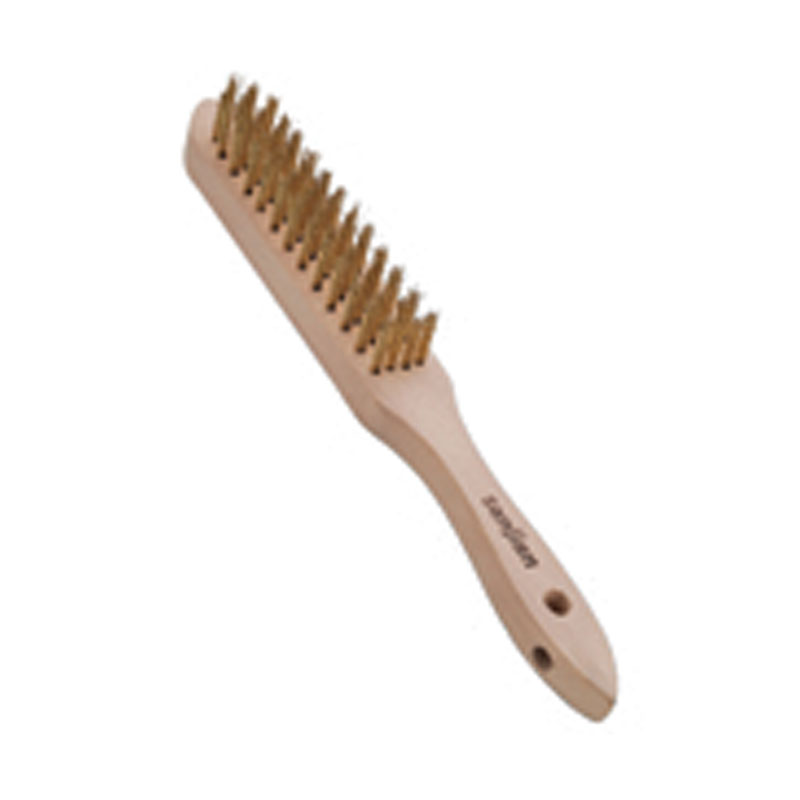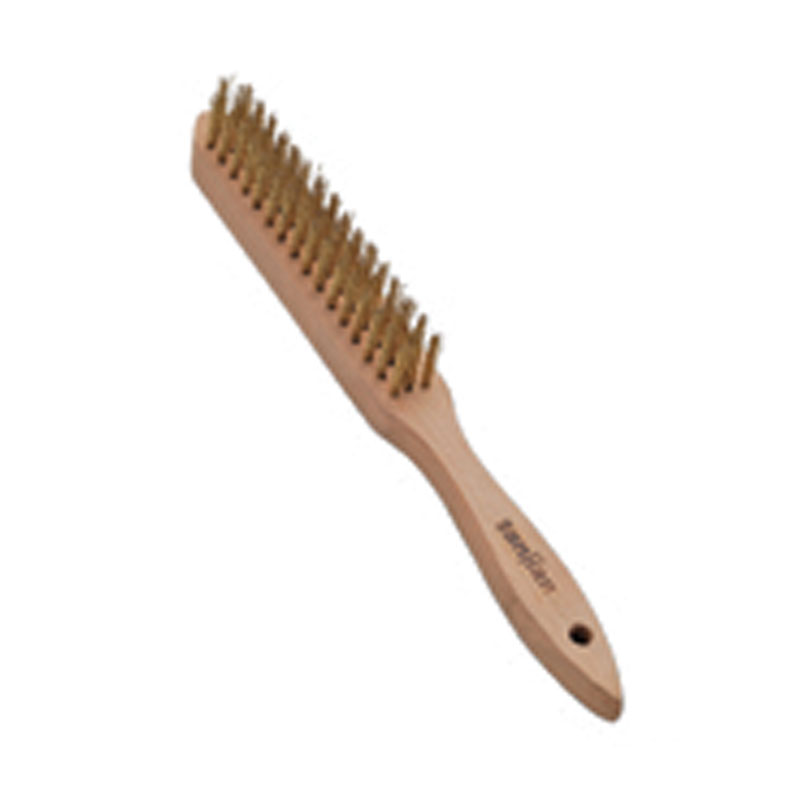
What Is a Brush Set?
A brush set is basically a small group of brushes packaged together for different cleaning jobs. Nothing complicated, but in real industrial use, it actually saves a lot of trouble. Instead of picking one brush and hoping it works for everything, users get a few different shapes and sizes in one kit—each one handling a slightly different task.
In factories, workshops, maintenance teams, and repair shops, this kind of setup just makes sense. One brush for flat surfaces, another for corners, maybe a thinner one for tight gaps or machine parts. That's usually how it goes in practice.
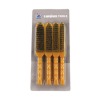
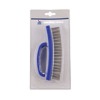
For B2B buyers, a Detail Factory Brush Set is often positioned as a practical option for more precise cleaning work. Not heavy-duty sweeping, but the kind of detail cleaning you see around equipment, parts, and workstations where accuracy matters more than speed.
Materials and Where They Come From
The materials are fairly straightforward, but they do make a real difference once the product is in use.
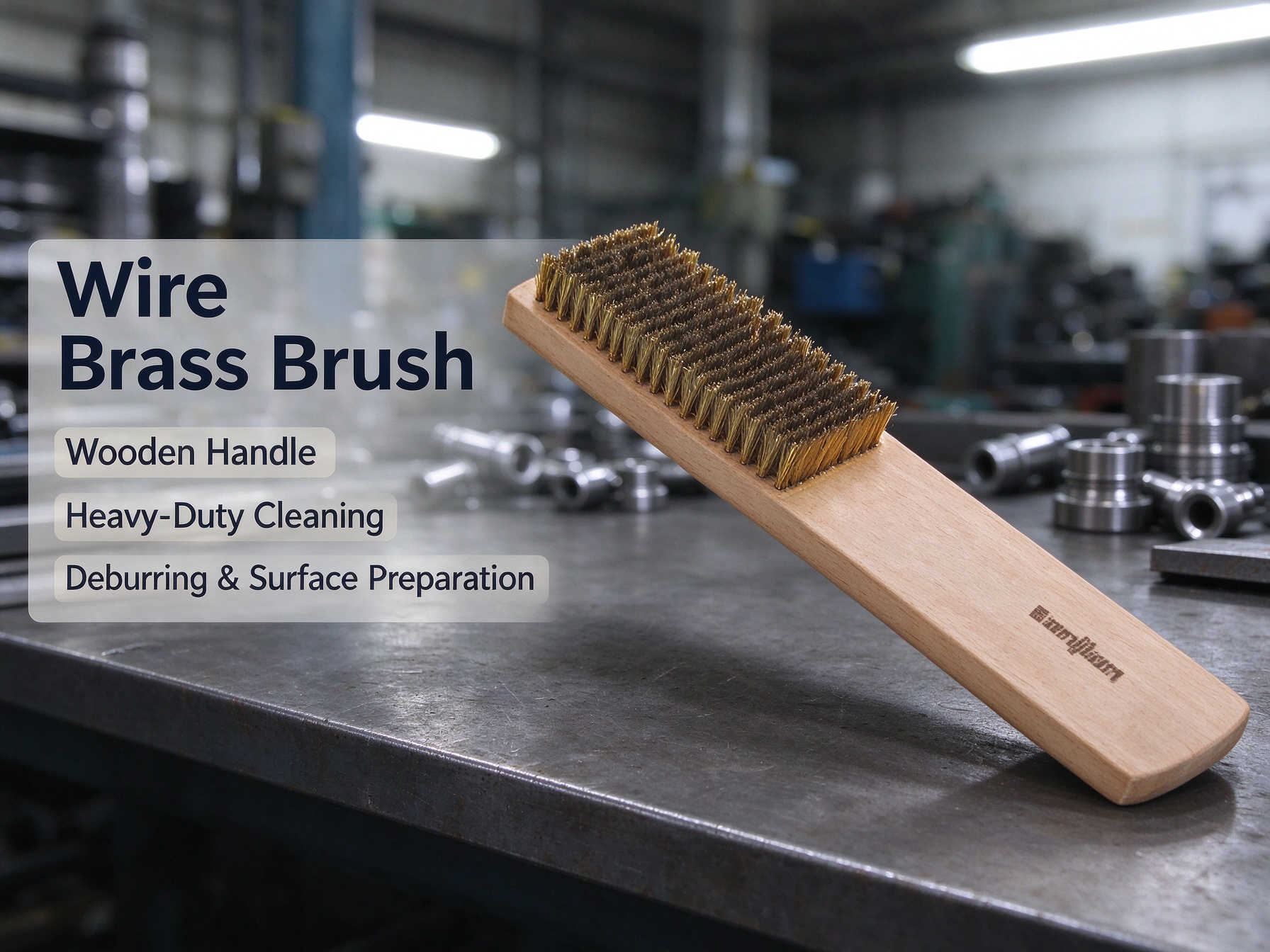
Handles are usually made from plastic, polypropylene, or sometimes wood. Plastic and PP are more common in industrial sets because they handle moisture better and are easier to standardize for bulk production. Wooden handles still show up in some markets, especially where buyers prefer a more traditional feel or lower cost option.
Bristles are where things get more varied. Nylon, PET, PP, and steel wire are commonly used depending on the job. Softer bristles are fine for dust and light cleaning. Stiffer ones are better for grease, residue, or heavier dirt buildup.
In a Detail Factory Brush Set, you'll often see a mix of bristle types in one package. That's kind of the point—users don't want to stop and switch tools every time the surface changes slightly.
From a sourcing point of view, consistency is more important than fancy materials. If the bristles feel different from batch to batch, end users notice it pretty quickly.
How Brush Sets Are Made
The production process is not complex, but it does need to stay consistent.
- First, the handles or brush bodies are formed. Depending on the design, this could be injection molding for plastic parts or cutting and shaping for wooden handles.
- Then the bristles are inserted and fixed into place. This can be done using staples, adhesive, heat-setting, or mechanical locking methods. The goal is simple: make sure the bristles don't come loose after repeated use.
- After that, the brushes are trimmed so the working surface is even. This step might sound small, but uneven bristles can make the tool feel cheap or awkward in real use.
- Once all parts are ready, the brushes are grouped into sets. This is where attention to detail matters—each Detail Factory Brush Set has to be complete, correctly matched, and properly packed so nothing gets mixed up.
- Before packing, there's usually a quick inspection: bristle strength, handle finish, size consistency, and general appearance. Nothing fancy, just making sure everything feels right before it goes out.
Where They're Actually Used
Brush sets show up in more places than you might expect.
In industrial environments, they're used for cleaning machines, equipment surfaces, small components, and areas that larger tools can't reach properly. Think corners, joints, edges—those kinds of spots where dust and residue build up over time.
Maintenance teams also rely on them a lot. When tools or parts need cleaning before repair or assembly, a set of different brushes makes the job easier and faster.
In some workshops, a Detail Factory Brush Set becomes part of daily routine use. Not because it's a specialty item, but because it's simply more convenient to have multiple brush types ready in one kit.
They also appear in automotive work, hardware maintenance, and general facility cleaning. The use cases are not limited to one industry, which is why this category stays pretty steady in demand.
What Buyers Usually Pay Attention To
When buyers source brush sets, the discussion usually stays pretty practical.
- Price is always part of it, especially for wholesale orders. But most buyers don't just chase the lowest cost—they've usually seen what happens when quality drops too much.
- Durability comes up quickly. Nobody wants bristles falling out after a short period or handles cracking under normal use. A brush set is expected to last through repeated cleaning jobs without issues.
- Moisture resistance is another common point. These products often sit in warehouses, travel long distances, or get used in damp environments. If the material absorbs too much moisture or deforms easily, it becomes a problem later.
- Packaging also matters more than people think. Brush sets need to arrive organized and intact. If pieces get bent, mixed, or damaged during shipping, the whole set loses its value.
- And then there's consistency. Importers especially care about this. If a customer orders a Detail Factory Brush Set today and again three months later, they expect it to feel exactly the same. Any noticeable difference can affect repeat orders.
Wholesale and Custom Options
Brush sets are actually quite flexible when it comes to customization.
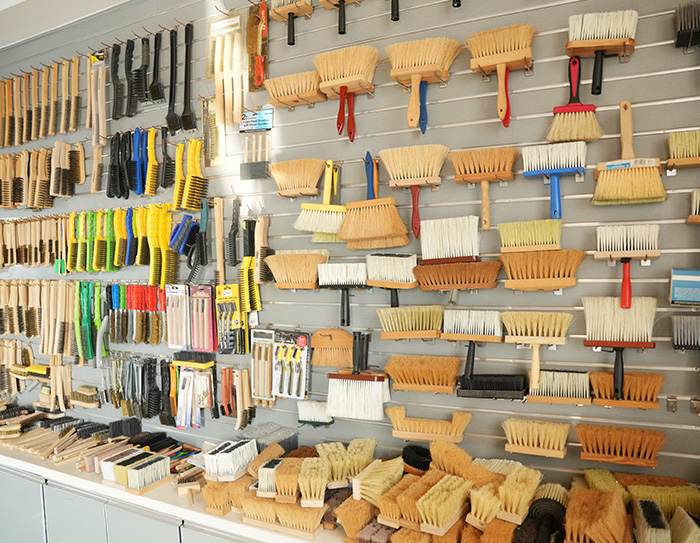
Buyers can adjust brush combinations, handle shapes, bristle types, and even the number of pieces in a set. Some markets prefer compact two- or three-piece kits. Others go for larger sets with more variety for industrial use.
Private labeling is very common. Logos, packaging design, labels, and carton printing are usually straightforward to customize. Many distributors prefer to build their own branding instead of selling generic products.
OEM and ODM projects are also normal in this category. Some buyers come in with very specific requirements—different bristle stiffness, special handle lengths, or packaging designed for retail shelves or industrial distribution.
Even small details like layout inside the box or barcode placement can be adjusted if needed. For a Detail Factory Brush Set, these small touches often help the product fit better into different sales channels.
Summary
A brush set might look like a simple product, but it actually fits a lot of real-world cleaning needs. From industrial maintenance to detailed machine cleaning, it gives users a practical way to handle different tasks without switching tools all the time.
For wholesalers and importers, the focus usually stays grounded: stable quality, reasonable pricing, consistent supply, and enough flexibility for customization. Whether it's a standard kit or a Detail Factory Brush Set for more precise industrial cleaning, buyers usually just want something reliable that works the same way every time it's used.