 sales@sanjiantools.com


 中文简体
中文简体 Deutsch
 Español
How Drywall Putty Knife Set Is Used For Wall Repair And Smoothing
How Putty Knife Set Is Used For Wall Repair And Smoothing
Walls rarely stay unchanged for long. A surface that looked even during installation can later show small cracks, shallow dents, rough patches, or lines left behind by old repair work. In many rooms, those changes are easy to miss until light falls across the wall from a certain angle. Once that happens, the surface problem becomes much easier to notice.
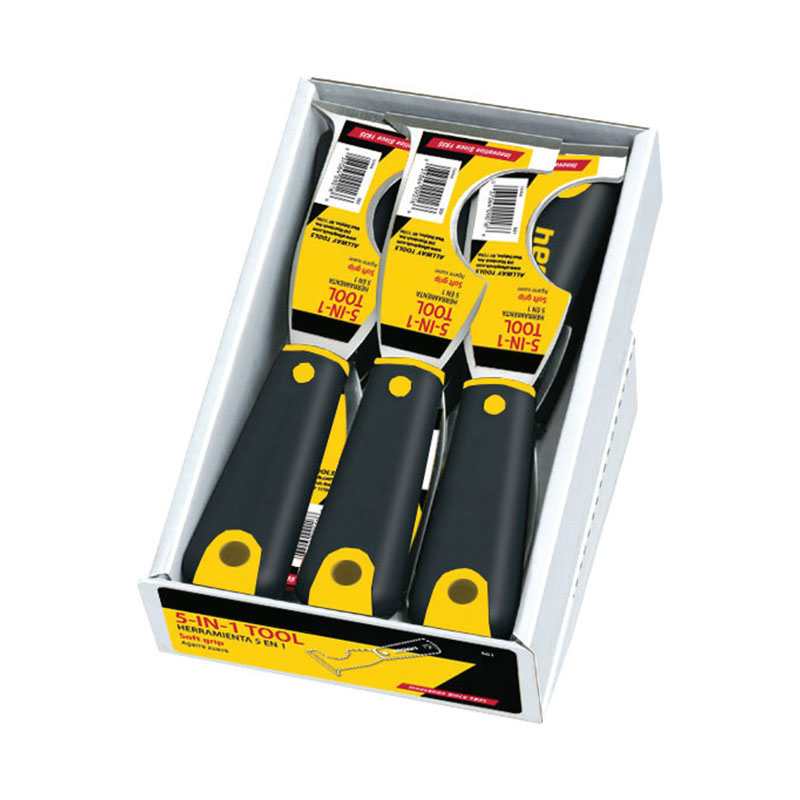
A Drywall Putty Knife Set is used in that kind of repair work because the tool gives direct control over how filler material sits on the wall. It helps spread compound, press it into damaged spots, remove extra buildup, and blend the repaired area into the surrounding surface. The tool itself is simple, yet the result depends heavily on how it is moved and how pressure is applied.
In wall repair, the task is rarely about covering a flaw as quickly as possible. More often, it is about shaping the repair so the wall looks steady after drying, painting, or coating. That is where a putty knife becomes useful. A wide blade can help across broader areas, while a narrower blade gives better control in corners, small cracks, and narrow damage lines. Different jobs ask for different blade behavior, so a set of knives gives more room for adjustment.
Putty Knife Manufacturer choices matter in this process too. Blade edge shape, handle balance, and material feel can change how the tool moves across the wall. A blade that feels too stiff may leave marks, while one that bends too easily may make the surface harder to level. The right balance helps the repair work stay controlled and smooth.
What Role A Putty Knife Set Plays In Wall Surface Work
Instead of only placing compound on a wall, the tool also guides the way material spreads. That means it helps control thickness, direction, and the edge where the repair meets the original surface. A clean repair depends on those small details more than many people expect.
The tool set is often used for:
- spreading compound across damaged areas
- filling shallow holes and cracks
- removing extra material from the wall
- softening edges between old and repaired sections
- shaping the surface before drying
Each blade serves a slightly different purpose. A wider knife works well on open areas where a smoother pull is needed. A smaller knife is easier to guide in tight zones or around detailed edges. A flexible blade can follow the wall more closely, while a firmer blade gives stronger control when leveling thicker material.
The value of the set comes from that range. A single blade can do part of the job, yet a set allows the repair work to move from rough filling to finer smoothing without changing the basic method.
Why Wall Surfaces Require Repair And Smoothing Processes
A wall surface may look solid, though everyday use slowly changes it. Small impact marks appear near doors or furniture. Fine cracks develop along joints or older coating layers. In some places, the original finish becomes uneven simply from wear and age.
Repair work becomes necessary when those changes start affecting the appearance or the next finishing layer. Paint, coating, or wallpaper tends to reflect surface flaws more clearly than bare wall material. A shallow dent that seemed minor before can become noticeable once light or color is added.
Smoothing is useful because it creates a steadier base. Rather than leaving low spots and raised lines in place, the repair process brings the surface back to a more even condition. That helps the next layer sit more uniformly and reduces the chance of patchy visual results.
Common reasons for repair include:
- cracks from shrinkage or movement
- dents from impact
- rough spots left from previous work
- uneven areas after patching
- visible seams or transition marks
A Drywall Putty Knife helps manage those problems by giving the repair material a controlled shape. The compound can be spread into gaps, pulled across uneven areas, and trimmed before it sets.
How Drywall Putty Knife Supports Material Application
Applying wall compound is not only about placing material onto the surface. The way the compound is distributed matters just as much. Too much in one area can create bumps. Too little may leave the defect visible after drying. The knife helps keep that balance in check.
When the blade touches the surface, it pushes the material into the low points and levels the excess at the same time. That kind of movement is important because the wall may have a mix of soft and hard spots, smooth sections and rough edges. A controlled pass across the area helps the compound settle into a more even layer.
The tool is commonly used to:
- press compound into small openings
- spread material across broad damaged zones
- smooth out ridges formed during filling
- blend the repaired section into the wall
- trim away extra compound before it hardens
A good application usually comes from several careful passes rather than one heavy stroke.
The Drywall Putty Knife Set allows that gradual adjustment. Instead of forcing the repair into place, the tool helps build the surface step by step.
How Different Putty Knife Shapes Affect Repair Results
Blade shape changes how the tool behaves in use. That may sound minor, yet it often decides how clean the repair looks after drying.
A wide blade helps when the goal is to cover larger wall areas with fewer lines. It spreads material in a broader path and can leave a flatter finish when used with steady movement. A narrow blade works better for detailed spots, small repairs, or areas where access is tight.
Flexible blades and rigid blades also serve different roles.
A flexible blade can follow slight surface variation and help the compound settle over a curved or uneven area. It is useful when the wall is not perfectly flat. A rigid blade gives stronger pressure and better control when the job needs clearer leveling or material removal.
Typical knife uses include:
- wide blades for open wall smoothing
- narrow blades for cracks and patch edges
- flexible blades for uneven or curved spots
- rigid blades for stronger scraping and leveling
The Putty Knife Manufacturer often decides how much bend or stiffness the blade should have. That choice affects the way pressure moves through the tool and how the compound responds during application.
What Makes Putty Knife Manufacturer Role Relevant In Tool Development
A repair tool may appear simple, though its performance depends on careful design. Blade thickness, edge finish, handle shape, and grip feel all affect how well the tool works during long repair sessions.
Putty Knife Manufacturer decisions usually focus on practical use rather than appearance. A tool that feels steady in the hand often gives better control across the wall. A clean blade edge helps the compound spread more smoothly. Handle shape matters too, since hand comfort affects pressure control over time.
Important design points include:
- blade edge smoothness
- balance between stiffness and flexibility
- handle grip comfort
- resistance to bending under pressure
- surface feel during repeated use
Small differences in tool design can help to noticeable differences in repair quality. A blade that glides well across the wall may reduce marks. A handle that fits naturally in the hand may help maintain steadier movement. Those details become more important in larger wall repair work, where consistency across the full surface matters.
Common Steps In Wall Repair Using Drywall Putty Knife
Wall repair usually follows a pattern that builds toward a smoother finish. The work rarely ends after the application. Several passes are often needed before the surface is ready for painting or other finishing work.
A common sequence may include:
- cleaning dust and loose material from the wall
- checking damage depth and spread
- applying compound into cracks or dents
- spreading material across the surrounding area
- trimming extra buildup before drying
- smoothing the surface with lighter passes
Each step supports the next one. Cleaning helps the compound bond better. Filling prepares the damaged area. Leveling shapes the repair. Final smoothing helps the wall look uniform once the compound has set.
Drying time also affects the process. Some material can be shaped while still workable, while later adjustment may require a different touch. That is why repair work often moves in layers rather than relying on one heavy application.
How Pressure Control Affects Smoothing Quality
Pressure control is one of the quiet skills in wall repair. A light touch leaves a thinner layer and is useful for finishing. A stronger touch helps push compound into a deeper defect. The challenge is knowing when each type of pressure is needed.
Too much force can leave ridges or scrape away material that should stay in place. Too little force can leave the surface uneven. The goal is steady movement with just enough pressure to shape the repair without disturbing the area around it.
In practical use, pressure often changes during the same repair task:
- firmer pressure for filling deeper spots
- moderate pressure for spreading across mid-level areas
- lighter pressure for finishing passes
- angled movement for edge blending
A Drywall Putty Knife gives room for that adjustment. Different blade sizes and stiffness levels help the user match pressure to the wall condition instead of forcing one motion across every surface type.
How Drywall Putty Knife Set Supports Surface Refining And Final Smoothing
After the layer of repair compound is placed and spread, wall work usually shifts into a quieter stage. The surface may already look covered, though small ridges, uneven lines, or soft transitions between old and new areas often remain. That stage is where a Drywall Putty Knife Set continues to play a steady role.
Smoothing is less about adding material and more about adjusting what is already there. The blade lightly travels across the wall, reducing small marks and blending edges so the repaired section does not stand out. Pressure becomes lighter compared to the filling stage, since the goal is refinement rather than coverage.
Typical actions during this stage include:
- leveling thin ridges left after initial spreading
- soft blending between repair area and surrounding wall
- removing minor excess without disturbing base layer
- evening out texture differences across the surface
- adjusting small irregular spots before drying completes
A wider blade often helps when working across larger surfaces, since it can cover more area in a single motion. A narrower blade becomes useful near corners, edges, or places where previous repair layers overlap. Movement tends to be slower and more controlled, since small changes in angle or pressure can influence final appearance.
How Pressure Variation Influences Surface Behavior
Pressure during smoothing does not remain constant. It shifts depending on the condition of the wall and the thickness of the applied material. A surface that still holds moisture behaves differently compared to one that is partially set.
Light pressure tends to refine the surface without disturbing underlying layers. Medium pressure helps adjust uneven spots where compound has built up slightly higher. Stronger pressure is usually reserved for correcting excess material or flattening raised sections.
| Repair Stage | Pressure Level | Surface Effect |
|---|---|---|
| Filling Cracks | Firm Pressure | Material penetration into gaps |
| Spreading Layer | Moderate Pressure | Even distribution |
| Surface Leveling | Light Pressure | Reduced ridges |
| Final Smoothing | Very Light Pressure | Soft surface blending |
Control of pressure often depends more on hand feel than force. A steady movement helps avoid visible tool marks, while inconsistent pressure may leave uneven textures that become noticeable after drying.
How Material Behavior Influences Putty Knife Work
Wall compound does not behave the same way throughout the repair process. At the beginning, it spreads easily and fills gaps. Later, it starts to lose flexibility and becomes harder to reshape. That change influences how the Drywall Putty Knife is used during different stages.
When material is fresh, the blade moves through it smoothly, pushing it into cracks and low areas. As it begins to set, resistance increases. The tool then shifts from spreading to refining.
Several material-related factors affect tool movement:
- moisture level in the compound
- surface absorption of the wall
- thickness of applied layer
- surrounding temperature conditions
- interaction between old and new layers
A softer compound allows easier blending between sections. A firmer state may require more controlled pressure to avoid surface disruption. Understanding this behavior helps reduce unnecessary rework and keeps the surface more stable during finishing stages.
Common Issues During Wall Repair Work
Even with careful application, wall repair can show small issues during or after smoothing. Most of them come from uneven application or inconsistent pressure rather than material failure.
Some common situations include:
- visible lines left by blade edges
- uneven thickness across repaired zones
- small ridges that appear after drying
- patchy texture between old and new surfaces
- slight sinking in filled areas after setting
Many of these issues can be corrected during earlier stages if noticed in time. Light reapplication or additional smoothing passes often help reduce visible marks before the material fully sets.
In larger repair areas, consistency becomes more important than speed. Repeated passes with steady movement tend to create a more uniform surface compared to heavy single applications.
How Drywall Putty Knife Set Fits Into Surface Preparation Workflow
Wall repair is usually part of a longer surface preparation process. Before painting or coating, the wall needs to reach a stable condition where texture differences are reduced and surface irregularities are minimized.
The Drywall Putty Knife supports this preparation by handling several stages of surface adjustment in one tool group. It is used for filling, spreading, leveling, and refining, all within the same repair sequence.
In practical workflow, the tool contributes to:
- preparing damaged areas for coating
- reducing visible surface irregularities
- supporting consistent material layering
- improving transition between repaired and original sections
- creating a more uniform base for finishing materials
Instead of relying on multiple tools for each step, the set allows gradual adjustment through blade selection and movement style.
Role Of Putty Knife Manufacturer In Tool Variation And Design
Different wall conditions require slightly different tool behavior. That variation comes from design choices made during production. Putty Knife Manufacturer considerations often focus on how the tool feels during long use and how it reacts under pressure.
Key design aspects include:
- blade stiffness and flexibility balance
- edge smoothness for reduced surface marking
- handle shape for stable grip control
- resistance to bending under repeated use
- surface finishing of blade contact area
A tool that feels balanced allows smoother movement across wide wall areas. Handle comfort becomes important during longer repair work, where steady pressure must be maintained for extended periods.
Small differences in design often show up in final surface quality. A smoother blade edge may reduce visible lines. A better-balanced handle may help maintain even pressure across the wall.
How Drywall Putty Knife Set Supports Modern Wall Finishing Practice
Wall finishing today often involves layered preparation rather than a single application step. Surfaces are built gradually, corrected in stages, and refined until they reach a stable condition for coating.
A Drywall Putty Knife Set fits into this approach because it allows flexible control across different repair needs. Instead of switching tools frequently, adjustments are made through blade size and movement style.
Its use supports:
- multi-layer surface correction
- gradual leveling of uneven walls
- flexible adjustment for different damage types
- smoother transition between repair stages
- consistent preparation before final coating
The tool does not replace material or process steps. It helps shape them in a controlled way so the surface can move toward a more uniform condition.
Industry Tendencies In Wall Repair Tools
Wall repair tools continue to evolve alongside changes in construction materials and finishing expectations. More attention is being given to control, comfort, and surface consistency rather than heavy force application.
Some observed tendencies include:
- increasing focus on smoother surface control
- improved handle design for long working periods
- better blade balance between stiffness and flexibility
- adaptation to different compound types
- wider use in renovation and maintenance work
Repair work itself is becoming more detail-oriented. Surfaces are expected to look even under different lighting conditions, which places more importance on final smoothing stages.
Within that context, the Drywall Putty Knife Set remains a practical tool group that supports gradual correction, steady application, and controlled finishing across a wide range of wall conditions.

-
 +86-13906791151
-
 sales@sanjiantools.com
-
 No.1 Xinggong Road, Huangzhai Town, Pujiang County, Zhejiang Province, China


Client
Copyright © Zhejiang Pujiang Sanjian Tools Co., Ltd. All Rights  浙公网安备33072602100309号
Reserved.
浙公网安备33072602100309号
Reserved.

Construction Paint Tools Factory