 sales@sanjiantools.com


 中文简体
中文简体 Deutsch
 Español
Which Brass Tube Cleaning Brush Works for Narrow Pipes
Industrial pipe systems carry fluids through manufacturing facilities, power plants, and processing operations. The internal condition of these pipes affects how well the system performs. Deposits build up inside pipes over time. Scale, rust, and other contaminants accumulate on the pipe walls. The accumulation restricts flow and reduces efficiency.
Cleaning the internal surfaces restores the pipe condition. The cleaning removes the deposits that have built up. The pipe returns to its original flow capacity. The system operates more efficiently. A Brass Tube Cleaning Brush provides one of the more effective cleaning methods.
The brush reaches the internal surfaces through the pipe openings. The bristles contact the pipe walls. The brushing action dislodges the deposits. The deposits get flushed out of the system. The pipe is clean and ready for continued service.
The use of a Brass Wire Brush For Rust specifically addresses rust deposits. Rust forms when moisture contacts metal surfaces. The rust builds up over time. The rust restricts flow and can contaminate fluids. The brass brush removes the rust without damaging the pipe.
What Makes Brass Material Suitable for Tube Cleaning Brushes
Brass offers properties that make it suitable for pipe cleaning. The material is softer than steel. The softer bristles clean without scratching the pipe surface. The pipe wall remains smooth. The smooth surface resists future deposit buildup.
Brass resists corrosion. The material does not rust in moist environments. The brush itself stays in good condition. The bristles do not degrade from exposure to moisture. The brass brush lasts longer than steel brushes in wet conditions.
Brass is compatible with various pipe materials. Copper, steel, and plastic pipes all tolerate brass contact. The brass does not react with the pipe material. The cleaning does not damage the pipe. A Brass Wire Brush For Rust works on different pipe types.
| Material | Scratch Potential | Corrosion Resistance | Compatibility | Common Uses |
|---|---|---|---|---|
| Brass | Low | Good | Wide range | Tube cleaning |
| Steel | High | Poor | Limited | Heavy deposits |
| Nylon | None | Excellent | All materials | Light cleaning |
| Bronze | Moderate | Good | Various | Similar to brass |
| Stainless steel | Moderate | Excellent | Limited | Corrosive environments |
Which Brass Tube Cleaning Brush Works for Narrow Pipe Maintenance
Narrow pipes present challenges for cleaning. The brush must fit through the opening. The brush must reach the full length of the pipe. The brush must remove deposits from the entire internal surface. The brush selection matters for narrow pipes.
The brush diameter should match the pipe inside diameter. A brush that is too large will not fit. A brush that is too small will not contact the walls. The correct size ensures proper cleaning contact. The brush should be slightly larger than the pipe diameter for effective cleaning.
The length of the brush affects reach. A long brush can clean deep into pipes. A short brush may not reach all areas. The brush length must match the pipe length. The cleaning should cover the entire internal surface.
The flexibility of the brush affects its ability to navigate bends. Rigid brushes work for straight pipes. Flexible brushes work for curved pipes. The brush type should match the pipe configuration. A Brass Tube Cleaning Brush comes in various configurations for different pipes.
How Does Brass Wire Brush For Rust Address Common Pipe Contaminants
Rust presents a common problem in pipe systems. The rust forms on metal surfaces exposed to moisture. The rust builds up in layers. The layers restrict flow and can break loose. Loose rust particles contaminate the fluid.
The brass wire brush removes the rust through mechanical action. The bristles contact the rusted surface. The brushing action breaks the rust loose. The rust particles fall away from the wall. The pipe surface becomes clean.
Scale also accumulates in pipes. Scale forms from mineral deposits in the water. The scale builds up over time. The scale restricts flow and reduces heat transfer. The brass brush removes the scale through the same mechanical action.
The removal of deposits prepares the pipe for inspection. A clean surface shows the true condition of the pipe. The inspector can see cracks or pitting. The inspection identifies problems before they cause failure. A Brass Wire Brush For Rust serves as a preparation tool for inspection.
What Factors Influence Selection of Brass Tube Cleaning Brush
Selecting a brush involves several factors. The pipe diameter determines the brush size. The brush must match the pipe dimensions. The brush must fit through the pipe opening. The brush must contact the walls.
The pipe length affects the brush design. Longer pipes need longer brushes. The brush must reach the entire length. The brush may need extension handles. The cleaning must cover the full pipe.
The type of deposit affects the brush choice. Light deposits need a lighter brush. Heavy deposits need a heavier brush. The bristle stiffness should match the deposit hardness. The right brush removes the deposits efficiently.
The pipe material affects the brush choice. Softer pipes need softer brushes. Harder pipes can tolerate harder brushes. The brush should not damage the pipe. A Brass Tube Cleaning Brush suits various pipe materials.
How Are Brass Tube Cleaning Brushes Applied in Practice
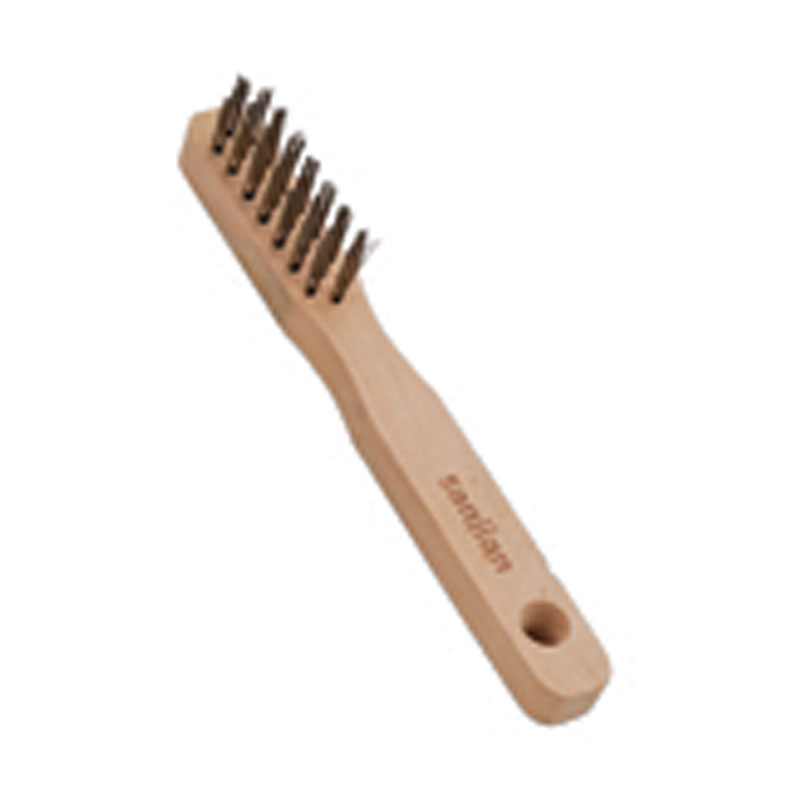
Cleaning a pipe with a brass tube brush starts with access to the pipe opening. The brush gets inserted into the pipe. The operator pushes the brush through the pipe. The bristles contact the walls as the brush moves.
The brushing action requires a back-and-forth motion. The operator pushes the brush forward. The operator pulls the brush back. The motion repeats along the pipe length. The brushing removes deposits from the walls.
Straight pipes present the simpler case. The brush passes through without obstruction. The operator feels the brush contact the walls. The brushing action is consistent along the length. A Brass Tube Cleaning Brush works well in straight pipes.
Curved pipes require more care. The brush must navigate the bend. Flexible brushes handle curves better than rigid brushes. The operator works the brush through the curve. The brushing may take longer in curved sections.
What Practices Support Effective and Safe Use of These Brushes
Preparation improves cleaning results. The pipe should be drained before cleaning. The pipe should be clear of loose debris. The brush should be inspected before use. A damaged brush may not clean effectively.
The operator should select the correct brush size. A brush that is too large may get stuck. A brush that is too small will not clean properly. The correct size ensures effective cleaning. The operator should verify the size before starting.
The brushing motion should be consistent. The operator should move the brush steadily. The brushing should cover the entire pipe length. The operator should not rush the cleaning. Consistent motion produces better results.
After cleaning, the pipe should be flushed. The flush removes loose deposits. The deposits exit the pipe. The pipe is ready for use. A Brass Wire Brush For Rust prepares the pipe for flushing.
How Do Brush Choices Contribute to Broader Pipe System Maintenance
Regular brushing keeps pipes in good condition. The brushing removes deposits before they build up. The pipe maintains its flow capacity. The system operates efficiently. The regular maintenance prevents problems.
The cleaning schedule should match the deposit rate. Some systems need frequent cleaning. Other systems need less frequent cleaning. The schedule should be based on the system condition. A Brass Tube Cleaning Brush supports a regular maintenance program.
The brushing coordinates with other maintenance activities. The cleaning may be done before inspection. The cleaning may be done before repairs. The cleaning may be part of a routine schedule. The brushing supports the overall maintenance plan.
The maintenance records should track brush use. The records show when pipes were cleaned. The records show how the pipes responded. The records support future maintenance planning. The records help optimize the cleaning schedule.
How Do Different Brush Designs Suit Various Cleaning Scenarios
Brush designs vary to suit different applications. Straight brushes have a simple design. The bristles are attached to a central stem. The brush is used in straight pipes. The design is straightforward and effective.
Flexible brushes use a twisted wire stem. The stem bends around curves. The bristles follow the stem. The brush navigates bends in the pipe. A Brass Tube Cleaning Brush with flexible design suits curved pipes.
The brush handle affects reach and control. A long handle reaches deep into pipes. A short handle provides more control. The handle design depends on the application. The operator should choose the right handle.
| Brush Design | Bristle Type | Flexibility | Best Use |
|---|---|---|---|
| Straight | Crimped wire | Rigid | Straight pipes |
| Flexible | Crimped wire | Flexible | Curved pipes |
| Twisted wire | Twisted wire | Semi-flexible | Moderate bends |
| Spiral | Wire spiral | Flexible | Tight bends |
| Cylindrical | Flat wire | Rigid | Large diameter pipes |
What Factors Guide the Final Selection of Brass Tube Cleaning Brushes
The final selection depends on the pipe system. The pipe diameter drives the brush size. The brush should match the pipe size. The correct size ensures proper cleaning contact. The brush should be slightly larger than the pipe diameter.
The pipe length affects the brush reach. Long pipes need longer brushes. The brush should reach the full length. The cleaning should cover the entire pipe. The brush length should match the pipe length.
The deposits determine the brush type. Light deposits need a lighter brush. Heavy deposits need a heavier brush. The brush stiffness should match the deposit hardness. The right brush removes deposits efficiently.
The pipe configuration affects the brush design. Straight pipes accept rigid brushes. Curved pipes need flexible brushes. The brush design should match the pipe shape. A Brass Tube Cleaning Brush in the right design cleans effectively.

-
 +86-13906791151
-
 sales@sanjiantools.com
-
 No.1 Xinggong Road, Huangzhai Town, Pujiang County, Zhejiang Province, China


Client
Copyright © Zhejiang Pujiang Sanjian Tools Co., Ltd. All Rights  浙公网安备33072602100309号
Reserved.
浙公网安备33072602100309号
Reserved.

Construction Paint Tools Factory