 sales@sanjiantools.com


 中文简体
中文简体 Deutsch
 Español
How to Choose Oem Floor Scrapers and Wood Finish Scraper
Floor preparation work demands tools that perform consistently. Original equipment manufacturer products come from production lines with strict material specifications and heat treatment protocols. Generic alternatives lack that level of control. Blades vary in hardness from one batch to another. Edge retention suffers. Users have no reliable way of knowing what they are getting until the tool meets the floor.
One practical distinction stands out—replaceability. When a blade wears out on an OEM floor scraper, the replacement part fits without modification. Dimensions stay consistent across production runs. Generic tools frequently change specifications without notice. A replacement blade purchased months later may not seat properly in the original holder. That creates frustration on the job site when workers discover that backup blades no longer work with existing handles.
Quality control documentation accompanies OEM tooling. Tolerances and edge geometries fall within acceptable ranges. Unbranded tools may cut costs initially, yet uncertainty around material consistency introduces risks. A scraper that fails mid-project due to hidden flaws costs more in downtime than any price difference. Professional floor preparers tend to favor OEM floor scrapers because predictable performance reduces variables. Surface quality directly affects subsequent coating adhesion, so tool reliability matters.
Some useful indicators when evaluating a scraper:
- Look at grinding marks along the blade edge—irregular patterns suggest poor finishing
- Set the blade flat against a level surface to check for rocking
- Wiggle attachment points to feel for loose tolerances
- Ask about replacement blade availability before committing to any system
Which Flooring Types Demand Specific Scraper Designs?
Different floors behave differently under a scraping blade. Knowing what lies beneath the finish helps narrow down the right tool.
Hardwood strip flooring calls for narrow-blade scrapers. The blade needs to fit between boards without catching on edges. Planks installed with staples or cleats demand care—wide blades snag on fastener heads and cause chipping. Engineered wood planks with glued-down construction often require heavier tools. The scraper has to break the adhesive bond while removing finish layers at the same time.
Parquet and mosaic patterns present a different challenge. Small individual pieces arranged in geometric layouts need a compact, lightweight scraper. Maneuvering around these delicate patterns requires precision. A heavy tool on parquet risks loosening individual blocks from their adhesive. That creates additional repair work nobody welcomes.
Softwood species like pine or fir have lower density and greater compressibility. Blade angles need adjustment to avoid digging into the softer grain. What works on oak leaves gouges in pine. Reclaimed timber brings old nails, dirt, and uneven surfaces. These conditions demand scrapers with robust blade support and easy replacement mechanisms.
Some practical pointers from experienced floor workers:
- Keep a narrow scraper handy for tight spaces and board edges
- Reserve heavier scrapers for large, open areas with thick finish buildup
- Test the tool on a small, inconspicuous area before tackling the full floor
- Adjust scraping angle based on wood hardness—softer woods need shallower angles
Each flooring type responds differently to scraping pressure. Matching the tool to the material prevents unnecessary surface damage. It also reduces the need for additional sanding afterward.
How Does Blade Material Affect Performance on Wood Finishes?
Blade composition shapes cutting efficiency and tool behavior when encountering unexpected obstacles.
Carbon steel blades hold a fine edge well. They work for initial rough removal of thick polyurethane or varnish coatings. These blades respond to frequent honing—a simple sharpening stone kept in the toolbox extends blade life considerably. Many floor workers keep a stone nearby and touch up edges throughout the day.
Stainless steel options come into play for moisture-prone environments. Water-based finishes can cause corrosion on standard carbon steel. Some floor preparers working in coastal areas or on ground-level slabs prefer stainless to avoid rust formation between uses.
Carbide-tipped edges last longer on abrasive surfaces. Floors with embedded grit or old finishes containing metallic particles wear down standard blades quickly. However, carbide tends to be brittle. Impact shocks from hitting nails or staples cause chipping rather than dulling. One contractor noted that carbide works well on known surfaces but carries risk on unknown floors where hidden fasteners may be present.
| Situation | Recommended Blade | Reasoning |
|---|---|---|
| Thick varnish on open floor | Carbon steel, wide | Covers ground quickly, easy to resharpen |
| Unknown floor with potential debris | Carbon steel, softer grade | Dulls gradually rather than shattering |
| Water-based finish on damp slab | Stainless steel | Resists corrosion during and after use |
| Abrasive floor with high grit content | Carbide-tipped | Holds edge longer against wear |
Selecting blade material involves weighing the expected finish hardness against the risk of hidden obstructions. Some floor preparers choose softer blades for unknown conditions because they dull gradually rather than fracturing. The tool gives visible warnings before failure occurs. That visible dulling allows the worker to stop and address the issue rather than dealing with a broken blade mid-stroke.
How Do Finish Types Guide the Selection Process?
Finish coatings behave differently under a scraper blade. Some break into brittle chips. Others curl away in long strips. Still others soften and gum up the cutting edge. Knowing the difference saves time and frustration.
Polyurethane coatings form tough, flexible films. They resist abrasion and hold up well to foot traffic. These finishes require firm, consistent pressure with a sharp blade. Dull edges slide across the surface without cutting, leaving unsightly scratches. A carbon steel blade with a moderate bevel angle works effectively on polyurethane. The key is keeping that edge sharp—polyurethane dulls blades faster than many other finishes.
Shellac and varnish finishes tell a different story. They tend to chip rather than curl. The scraping action produces small, flaky pieces that scatter across the floor. Workers often prefer slightly steeper blade angles to break these brittle coatings more cleanly. Wide blades cover ground faster on shellac because the coating fractures readily under pressure. Some floor preparers switch to a narrower blade near edges where chipping might damage adjacent surfaces.
Water-based acrylic finishes adhere differently from solvent-based products. Their film structure can be tougher in some ways, yet they soften under certain conditions. Heat generated by friction during scraping can cause water-based finishes to gum up. Slower, more deliberate strokes help avoid this problem. A stainless steel blade also reduces friction slightly compared to carbon steel, which some workers appreciate on water-based coatings.
Wax and oil finishes require lighter scraping pressure. These penetrating coatings sit partly within the wood grain rather than forming a thick surface film. Light scraping with a shallow blade angle removes the surface residue without digging into the wood fibers underneath. Heavy pressure on wax finishes drives the coating deeper into the grain, making the problem worse rather than better.
A few observations from floor work:
- Polyurethane—keep the blade sharp, use steady pressure
- Shellac and varnish—steeper angle, wider blade for speed
- Water-based acrylic—slower strokes to avoid gumming
- Wax and oil—light pressure, shallow angle
What Role Does Floor Condition Play in Tool Choice?
The state of the floor influences scraper selection as much as the finish type. New installations differ greatly from aged surfaces.
New floors with fresh finish layers typically require less aggressive scraping. The finish has not yet cross-linked or hardened fully. Some new floors scrape easily with a moderate blade angle. Workers often finish the job faster on new work because the coating comes off in clean strips. One experienced floor preparer described new finishes as "cooperative" compared to old, hardened coatings.
Previously scraped floors present a different picture. Residual adhesive patches or old finish remnants stick stubbornly to the wood. These spots require localized attention with a narrower blade. The operator concentrates force on the problematic areas without disturbing adjacent clean wood. A heavier tool helps break through these resistant patches more effectively.
Floors with surface damage such as cupping, crowning, or checking need careful handling. A scraper that works well on flat boards may dig into raised edges or skip over depressions. Some floor preparers adjust their technique and blade angle to follow the contour of damaged boards. Others switch to a smaller, more maneuverable scraper for these sections. The goal is to remove finish without making existing damage worse.
Floors that have been sanded multiple times have reduced thickness. Any scraping error can cut through the remaining wear layer and expose unfinished wood underneath. Lighter tools and shallower blade angles reduce the risk of penetrating too deep on thin floors. Workers pay extra attention to pressure control on these delicate surfaces.
Why Is Tool Weight an Important Selection Factor?
Tool weight affects both work output and worker well-being. Heavy scrapers remove material quickly on resilient finishes. The mass of the tool does much of the work, requiring less downward force from the operator. These heavier tools excel on large, open areas where aggressive removal is needed.
Lighter tools serve a different purpose. They work better for detailed work where precision matters more than speed. Overhead or vertical surface preparation also favors lighter scrapers—holding a heavy tool above shoulder height quickly leads to fatigue. One worker noted that switching to a lighter scraper made ceiling work noticeably more comfortable.
Weight distribution matters too. A well-balanced scraper feels lighter in the hand than its actual weight. Poor weight distribution forces the user to compensate with grip strength, causing early fatigue. Some workers test a scraper's balance by holding it at the handle pivot point to feel where the center of gravity lies.
Fatigue accumulates over a full working day. A scraper that feels manageable for ten minutes may become exhausting after several hours. Floor preparers who spend their days scraping often develop preferences based on extended use rather than initial impressions. Trying a tool for a full day before committing to a purchase makes sense.
How Can Buyers Assess Quality Without Relying on Brand Names?
Brand names offer limited guidance when every manufacturer claims their products are well made. Several practical assessments reveal quality without depending on marketing claims.
Visual inspection provides immediate clues. Look at the blade edge for uniformity and absence of nicks. Run a thumbnail gently along the edge to feel for irregularities. Examine the grinding marks on the bevel—consistent, even lines suggest careful finishing. Uneven or coarse grinding often signals corners cut during production.
Check the handle-to-blade attachment rigidity. Grasp the blade and handle separately, then apply moderate twisting force. Any play or movement indicates loose tolerances that will worsen with use. A solid connection transmits force efficiently to the cutting edge. Wobbly connections waste energy and make the tool harder to control.
Review replacement blade availability. Some scraper systems lock users into proprietary blade shapes that are difficult to source later. Others use standard blade sizes available from multiple suppliers.
Packaging and included documentation offer subtle quality signals. Complete instructions, blade diagrams, and maintenance guidance suggest attention to user needs. Sparse packaging with no information often accompanies products with equally sparse quality control. The absence of any documentation sometimes indicates that the manufacturer assumes no questions will be asked.
What Maintenance Practices Extend Scraper Service Life?
Regular maintenance keeps scrapers working effectively over many projects.
Blade honing deserves attention between heavy uses. A few strokes across a fine stone restore the cutting edge without removing excessive material. Some workers hone blades daily, especially when working on tough finishes. Others touch up edges whenever they notice increased resistance. A dull blade requires more force, which leads to fatigue and imprecise work.
Cleaning procedures remove finish residue and dust accumulation. Finish material that remains on the blade after use can harden and interfere with the next session. Wiping the blade with a suitable solvent after each use prevents buildup. Industrial Painting Tools include scrapers in their broader category, and cleaning practices for one surface preparation tool often apply to others in the same equipment family.
Lubrication of pivot points and adjustable mechanisms keeps moving parts functioning smoothly. A few drops of oil on threaded connections and hinge points reduces wear and prevents seizing. Regular lubrication also makes blade changes easier when the time comes. Neglected pivot points become stiff and difficult to adjust.
Inspection schedules catch wear indicators before they become failures. Check blade edges for chips or cracks. Examine handle attachment points for loosening. Look for signs of metal fatigue around the blade holder. Addressing small issues early prevents costly breakdowns in the middle of a project.
Replacement blade storage matters too. Extra blades kept in a dry place maintain their edge longer. Blades stored loosely in a toolbox drawer can become damaged from contact with other tools. Simple blade holders or magnetic strips keep replacements organized and protected. One floor worker kept a separate box just for spare blades, labeled by type and grit finish.
How Do Industrial Painting Tools Integrate with Scraper Selection?
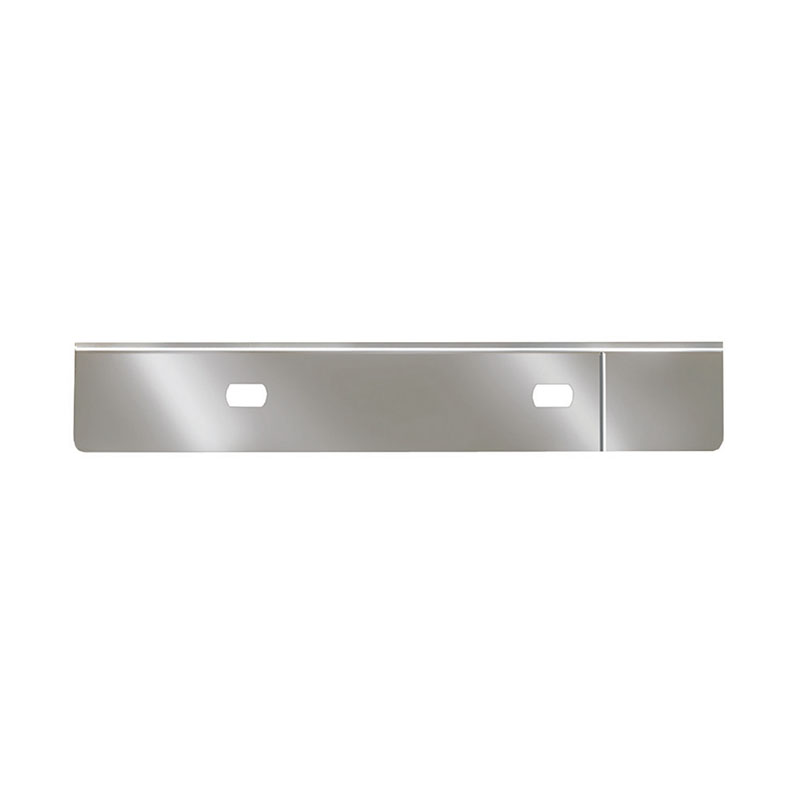
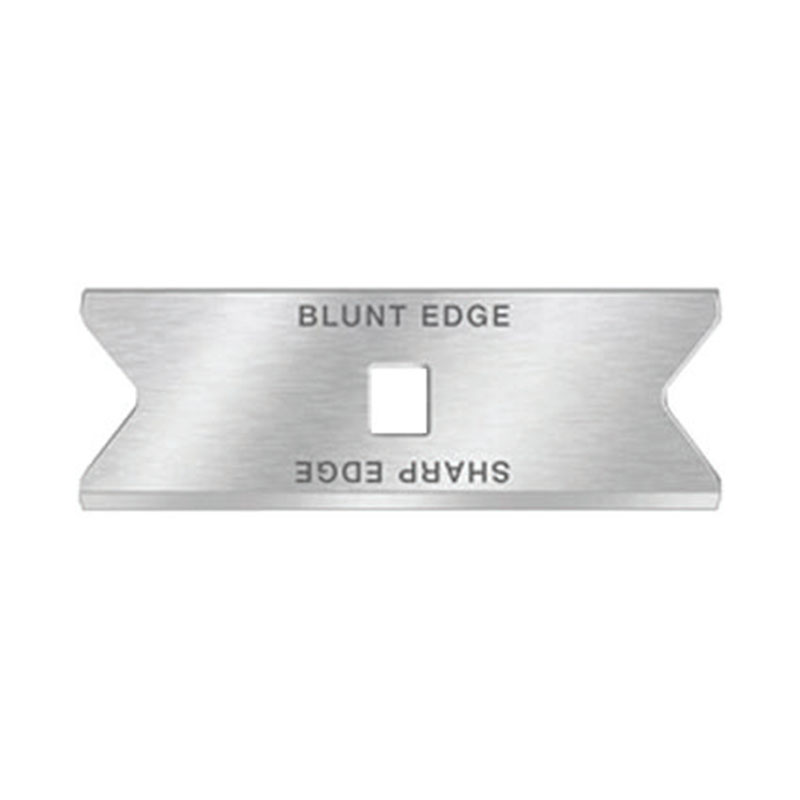
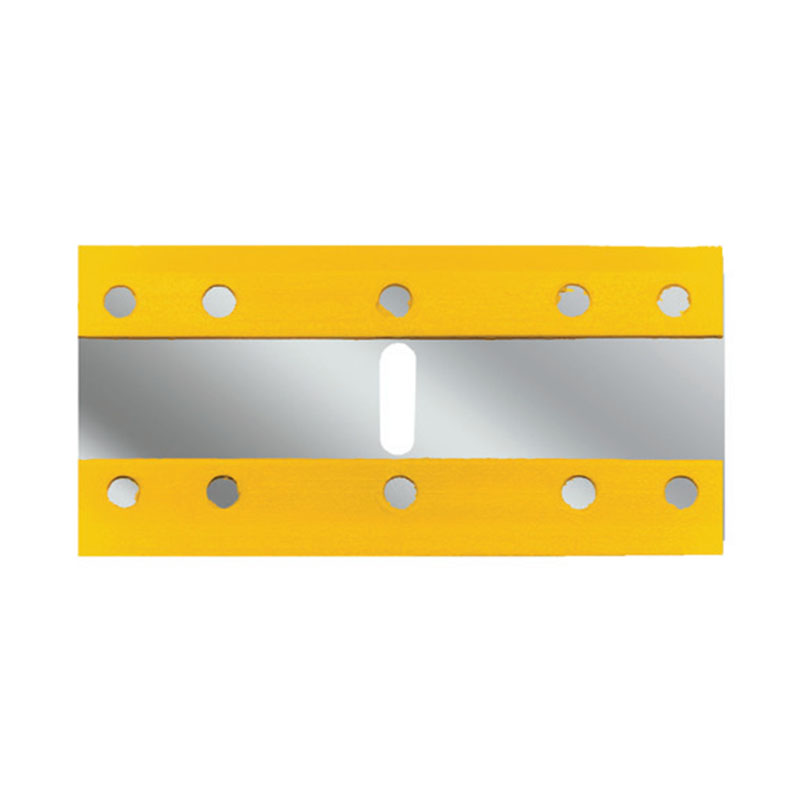
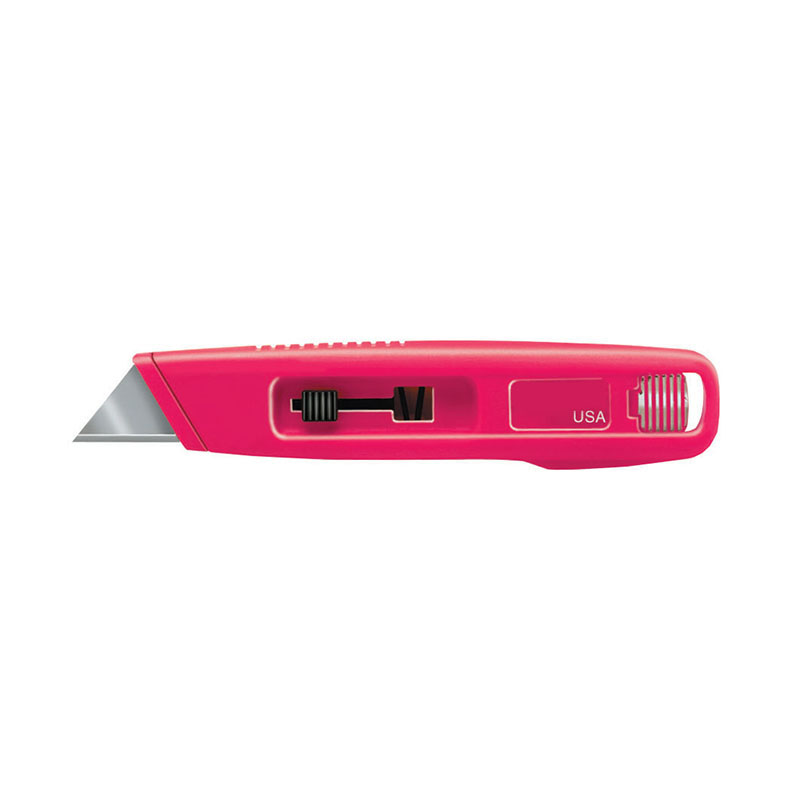
Scrapers do not work in isolation during floor preparation. OEM floor scrapers serve as one component of a larger surface preparation system. The finish quality left by scraping directly affects how subsequent coatings adhere and perform.
Surface profile requirements vary across different industrial paint systems. Some coatings need a slightly roughened surface to bond effectively. Others require smooth, uniform substrates. The scraper selected should leave a surface profile compatible with the coating system planned for the job. A blade that leaves too smooth a surface may reduce adhesion for some paint types.
Timing considerations also come into play. Some industrial paint systems require application within a certain window after surface preparation. A scraper that works quickly on the chosen finish type helps meet these timing requirements without rushing the operator. Slow scraping on a large floor pushes the project timeline back, potentially affecting coating application windows.
Floor preparers who understand the relationship between scraping quality and coating performance make better tool selections. The goal is not just to remove old finish but to create a surface ready for new coatings. OEM floor scrapers that perform consistently help achieve this preparation standard across different job sites and finish conditions. Workers who have used both generic and OEM tools often report fewer surprises with the latter—the tool behaves predictably, and the prepared surface meets expectations.

-
 +86-13906791151
-
 sales@sanjiantools.com
-
 No.1 Xinggong Road, Huangzhai Town, Pujiang County, Zhejiang Province, China


Client
Copyright © Zhejiang Pujiang Sanjian Tools Co., Ltd. All Rights  浙公网安备33072602100309号
Reserved.
浙公网安备33072602100309号
Reserved.

Construction Paint Tools Factory