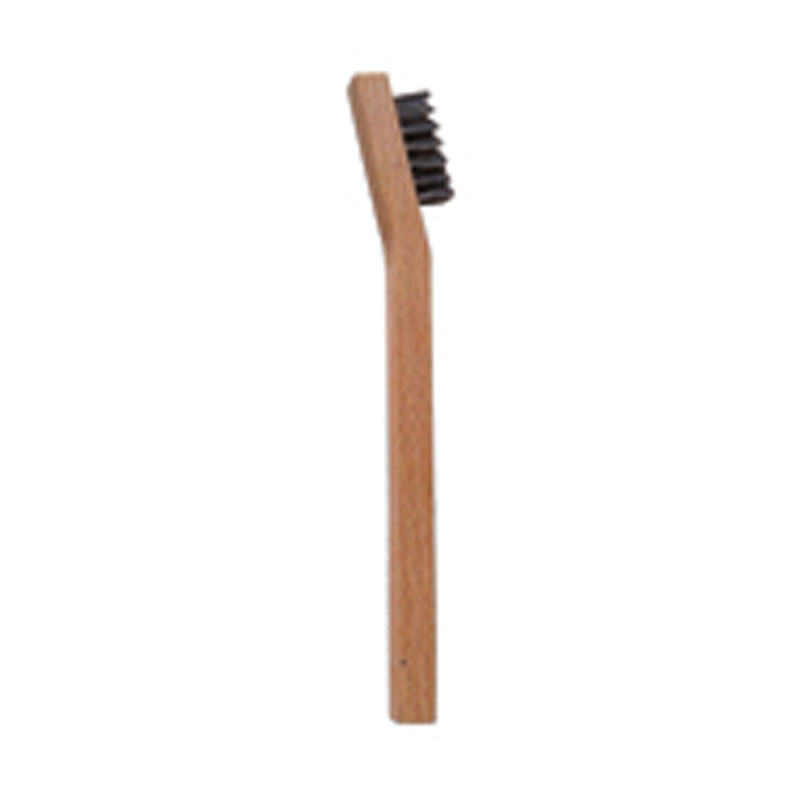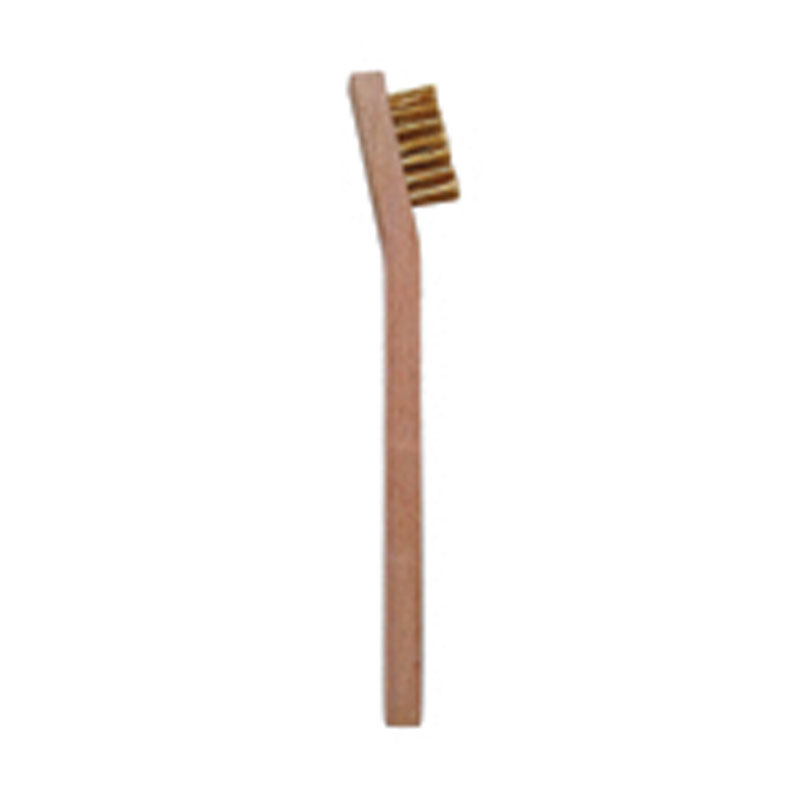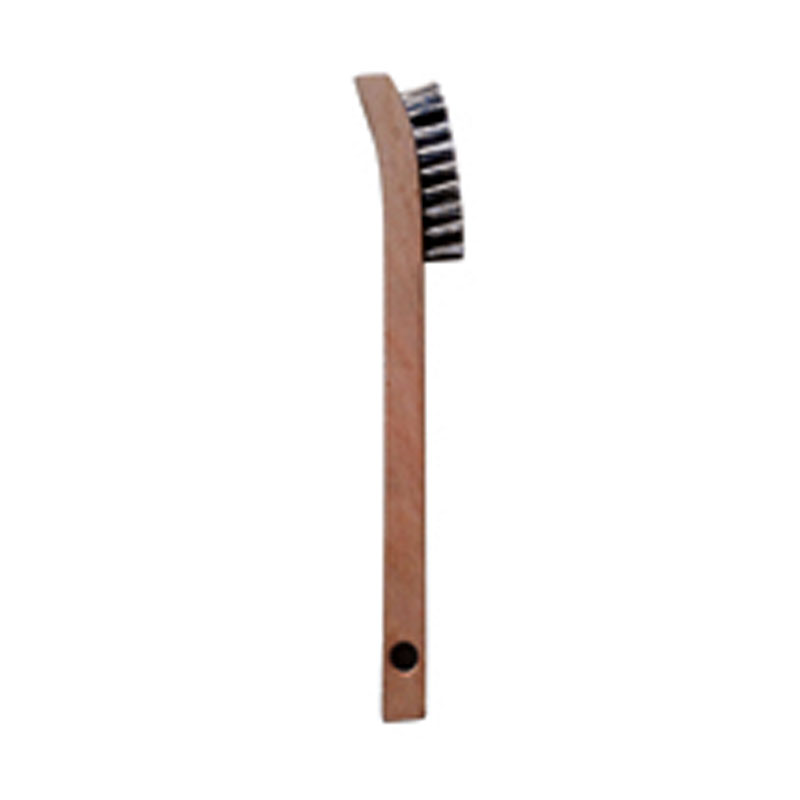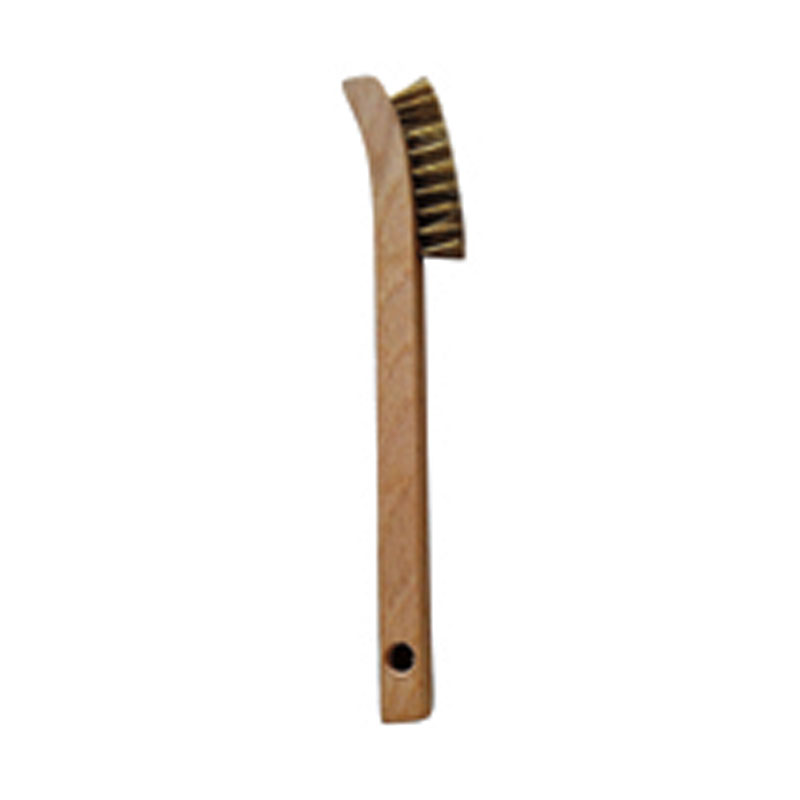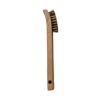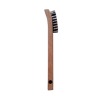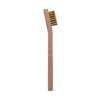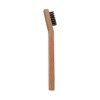
What Is an American Style Brush?
An American Style Brush is a common brush type seen in industrial cleaning, hardware, and maintenance markets. The name usually refers more to the brush format and market style than to one single technical structure. In practical terms, it is a brush built for everyday cleaning, scrubbing, dust removal, or surface care, often with a simple and familiar design that buyers can easily place in their local market.
For B2B buyers, this kind of brush is useful because it is easy to understand and easy to sell. It does not need a long explanation. End users usually know what it is for the moment they see it. That makes it a steady item for wholesalers, distributors, and importers who want products that move without too much education effort.
Raw Materials and Where They Come From
An American Style Brush can be made with a few different material combinations, depending on the target market and price point.
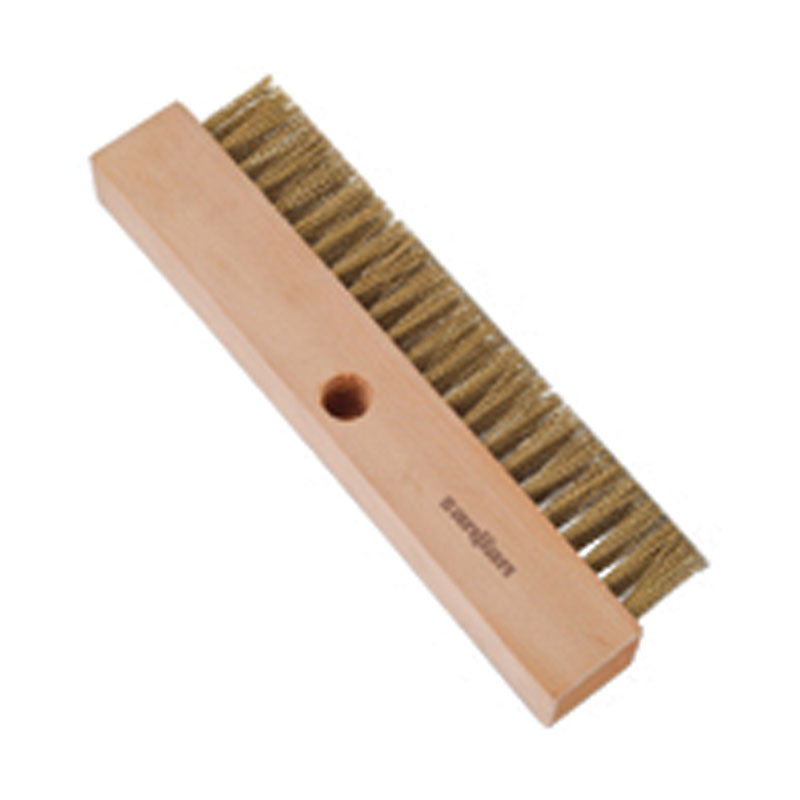
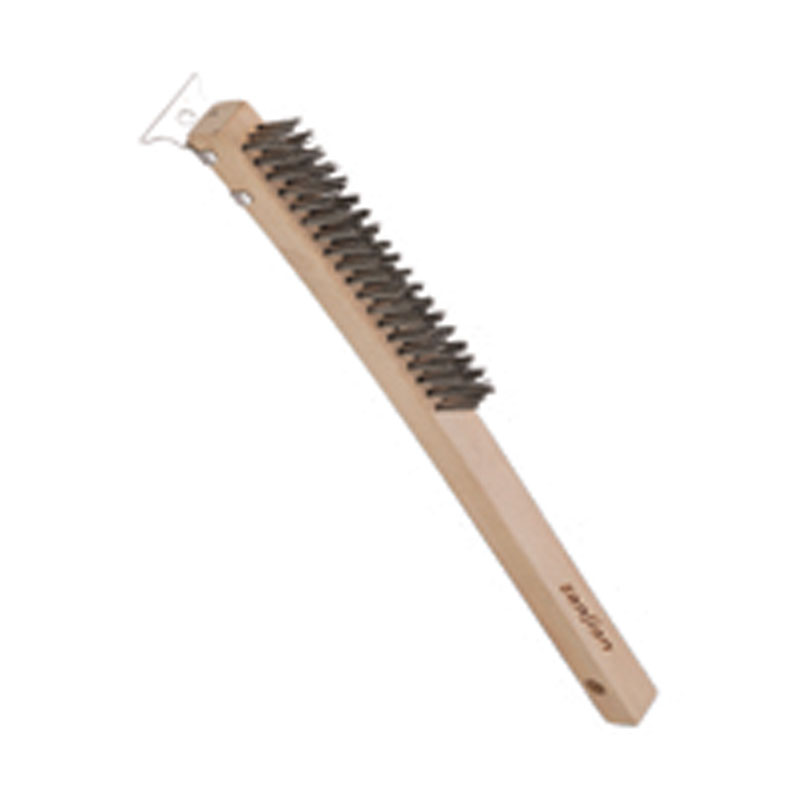
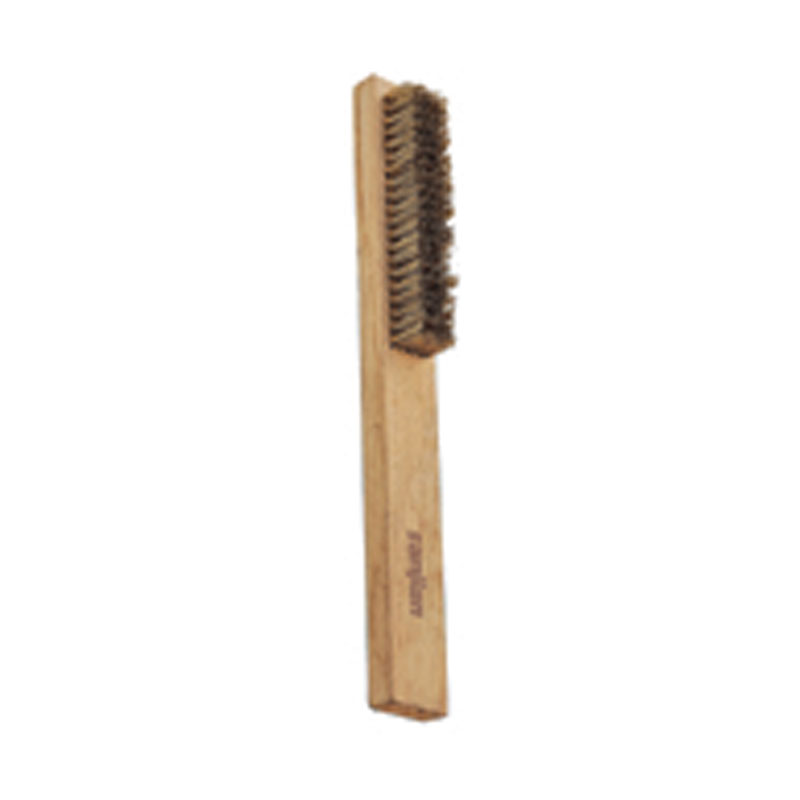
The brush block or handle is often made from wood, plastic, or reinforced material. Wood is still widely used because it gives the brush a simple, sturdy feel and keeps the product cost under control. For some buyers, a Wood Handle Cleaning Brush is still the right choice because it feels more natural in the hand and works well in basic cleaning jobs.
The bristles may be made from nylon, PET, polypropylene, tampico, steel wire, or other fiber types. The right material depends on what the brush is meant to do. Softer bristles are better for light dusting or surface cleaning. Firmer bristles are used when a little more force is needed.
Raw material sourcing matters a lot in this category. If the wood is too rough, the handle feels cheap. If the bristles are inconsistent, the brush will not clean evenly. Buyers usually want a Brush supplier that can keep the same standard across repeated orders, not just one decent sample.
Simple Production Process
The production process is not complicated, but there are still a few points where things can go right—or a bit off.
First, the base is prepared. If it's a wooden version, the block gets cut, shaped, and sanded down so it feels smooth in the hand. Nothing fancy here, just making sure it's not rough or uneven. I
Next comes the bristle filling. The fibers are inserted and fixed into the block using staples, wire, glue, or sometimes a mix of methods, depending on the design. This is one of those steps where experience matters a bit—because if the f
After that, the brush is trimmed. Basically, the bristles are leveled so they're even and clean-looking. It might sound like a small detail, but it actually affec
Then there's inspection. Usually, it's straightforward checks—size, bristle retention, handle finish, and overall feel. No overthinking, just making sure everything is consistent and ready to go.
For a Brush supplier, this whole process is really about repeatability. Most buyers aren't looking for something “perfect” in theory—they just want the brush to come out the same way every time and do its job without surprises.
Application Scenarios
An American Style Brush is used in a lot of different places, which is part of its appeal.
- In commercial cleaning, it may be used for floors, walls, benches, corners, or general surface cleaning. In workshops and factories, it is often used to remove dust, dirt, or light residue from tools, equipment, and work areas.
- A Wood Handle Cleaning Brush is also common in maintenance work. It is simple, reliable, and easy to keep in stock. That matters for buyers who serve hardware stores, facility maintenance teams, or industrial cleaning channels.
- Some buyers use this type of brush in agricultural, food-related, or general utility settings, depending on the bristle material and handle design. If the product is made with a firmer fiber, it can handle more demanding cleaning jobs. If it is built with a softer setup, it is better for lighter tasks.
The main point is that this brush style is flexible. It can fit several different markets without needing major changes to the basic structure.
What Buyers Usually Care About
When sourcing this type of product, buyers usually keep the discussion very practical.
- Cost is always one of the first things they look at. For wholesale orders, the goal is usually to find a brush that feels solid without pushing the price too high. A low-cost product is fine as long as it does the job and holds up well enough for the market.
- Moisture resistance is another common concern. Brushes may sit in warehouses, travel by sea, or be used in damp environments. If the wood absorbs moisture too easily or the bristles degrade too quickly, that can create problems later.
- Transport and packaging matter too. Brushes are simple products, but if the bristles get bent or the handles get damaged during shipping, the product may arrive looking lower quality than it really is. Good packaging helps avoid that.
- Consistency is especially important for distributors. Once a product starts selling well, they do not want batch-to-batch changes in size, color, or brush feel. That is one reason experienced buyers prefer to work with a stable Brush supplier that can keep production steady.
- Market fit is also worth mentioning. Some regions still prefer a traditional Wood Handle Cleaning Brush, while others want a more modern plastic version. A supplier that understands those differences usually has an easier time building repeat business.
Wholesale and Custom Services
This category is usually easy to customize, which is one reason it works well for B2B buyers.
Different markets may need different brush sizes, bristle materials, handle lengths, or packaging styles. Some customers want compact brushes for light cleaning. Others need larger, firmer brushes for industrial work or heavy-duty maintenance.
OEM and ODM services are common. Buyers may request logo printing, private-label packaging, barcode labels, or carton designs that fit their own sales channels.
A Brush supplier with flexible production can usually adapt the product without making the order process complicated. That matters because many importers are not just buying a brush—they are building a local product line that needs to look consistent across several items.
Packaging can also be arranged in different ways depending on the market. Some buyers want bulk cartons for warehouse use. Others need retail packaging for store shelves. A simple product like this often does better when the supply side is flexible.
Summary
An American Style Brush is a straightforward product, but that is part of what makes it useful. It is familiar, practical, and easy to place in many cleaning and maintenance markets.
For wholesalers, distributors, suppliers, and importers, the main concerns usually stay the same: material quality, moisture resistance, stable production, packaging, and customization options. Whether the product is sold as a Wood Handle Cleaning Brush or handled through a reliable Brush supplier, buyers usually want one thing above all else: a brush that does its job well and keeps the supply chain moving without trouble.