

 中文简体
中文简体 Deutsch
 Español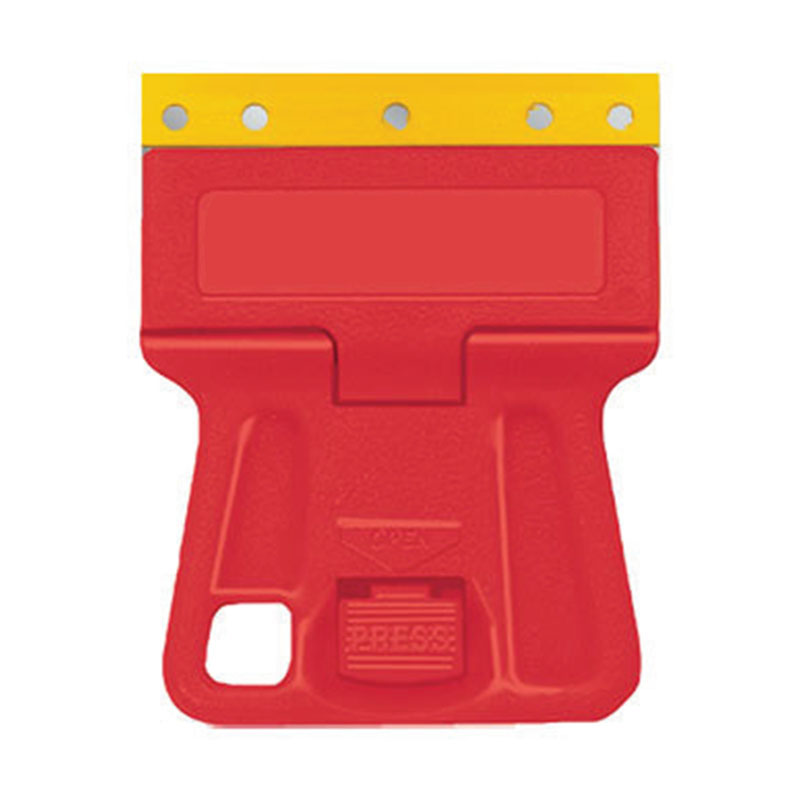
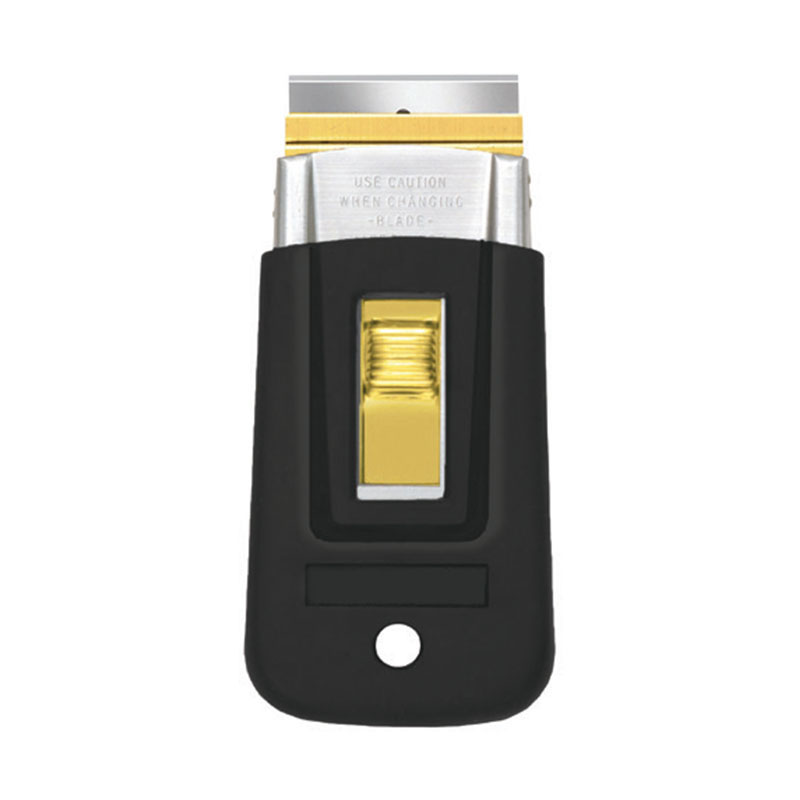
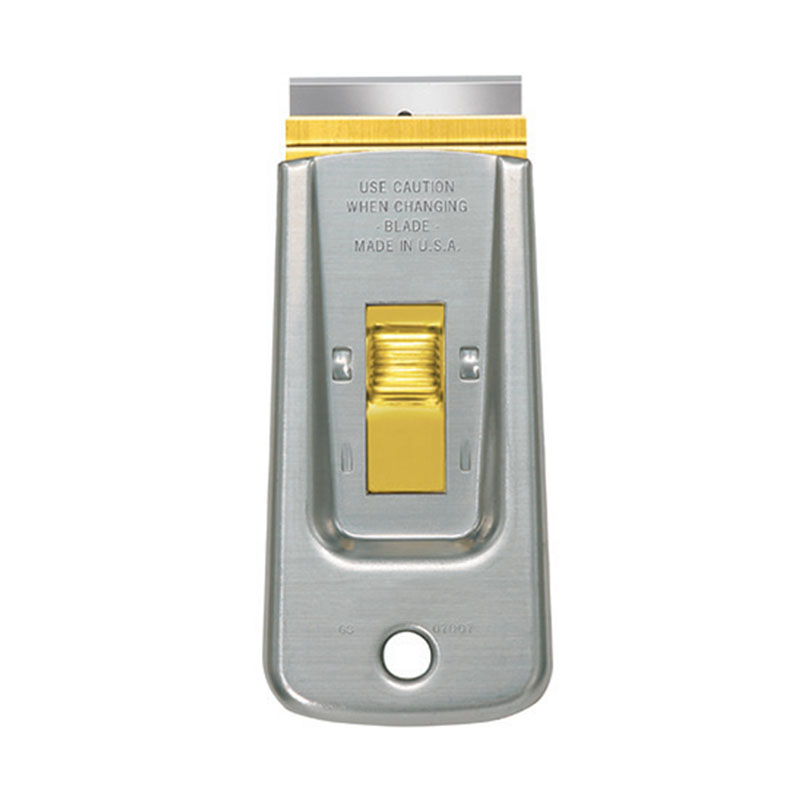
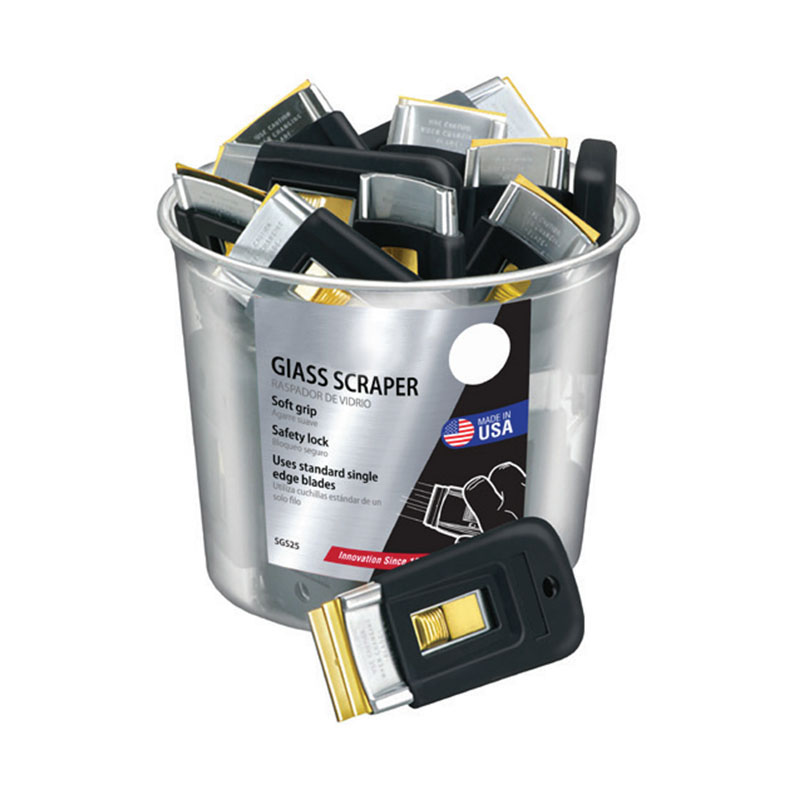
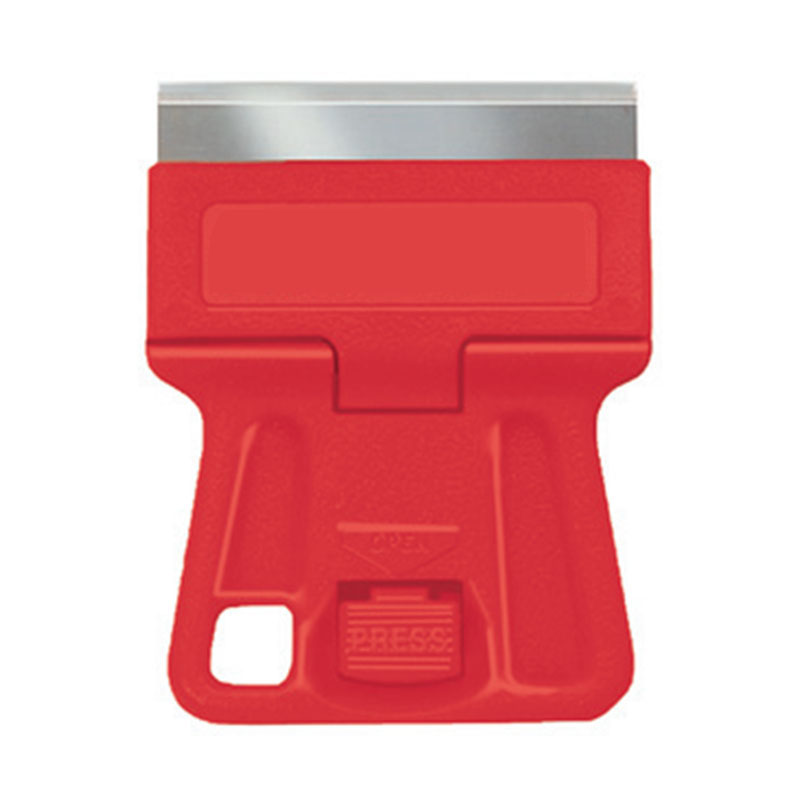
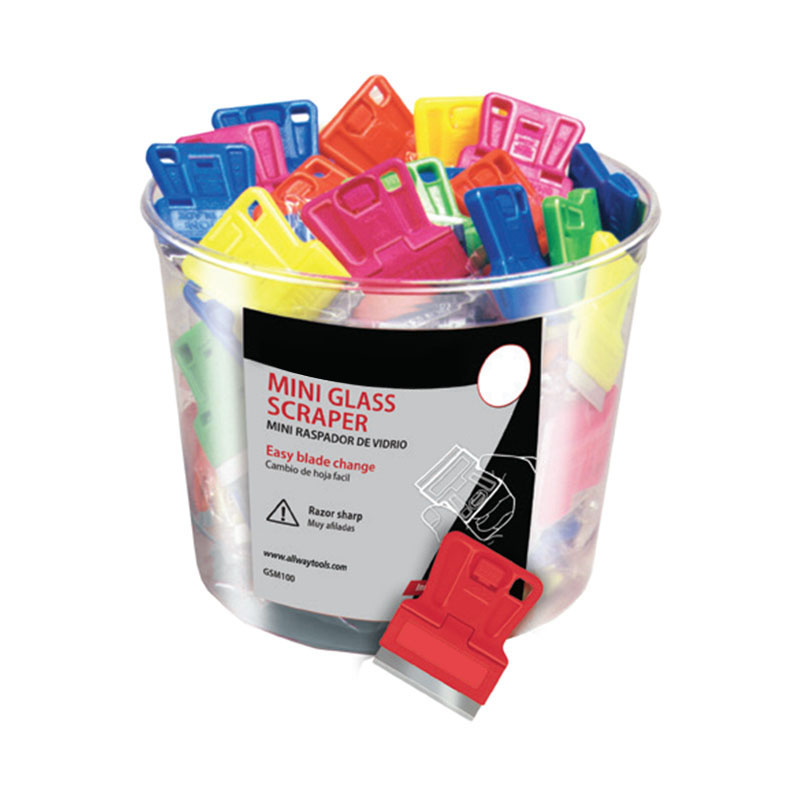
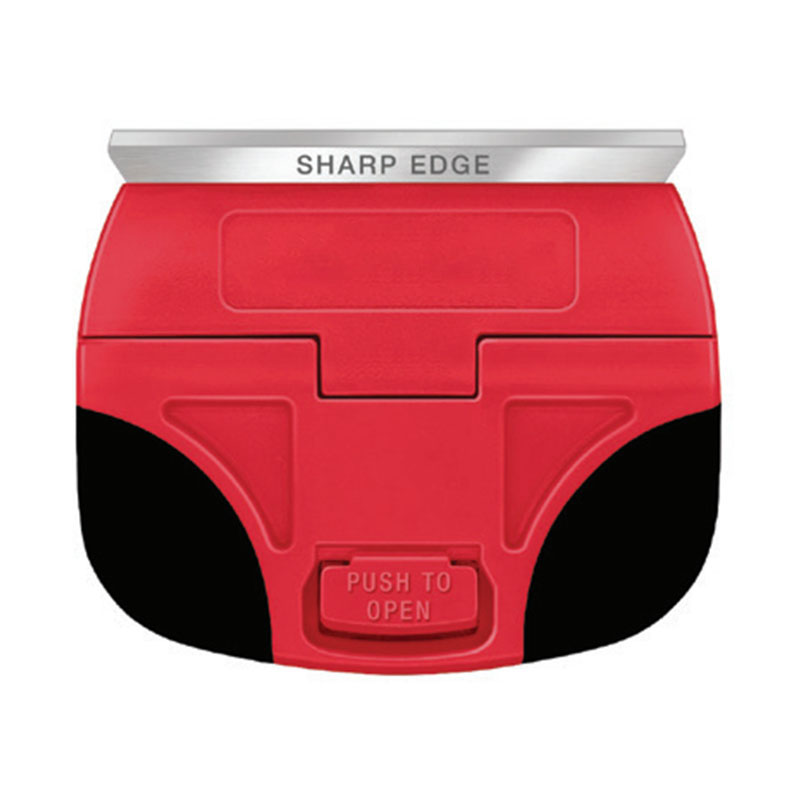
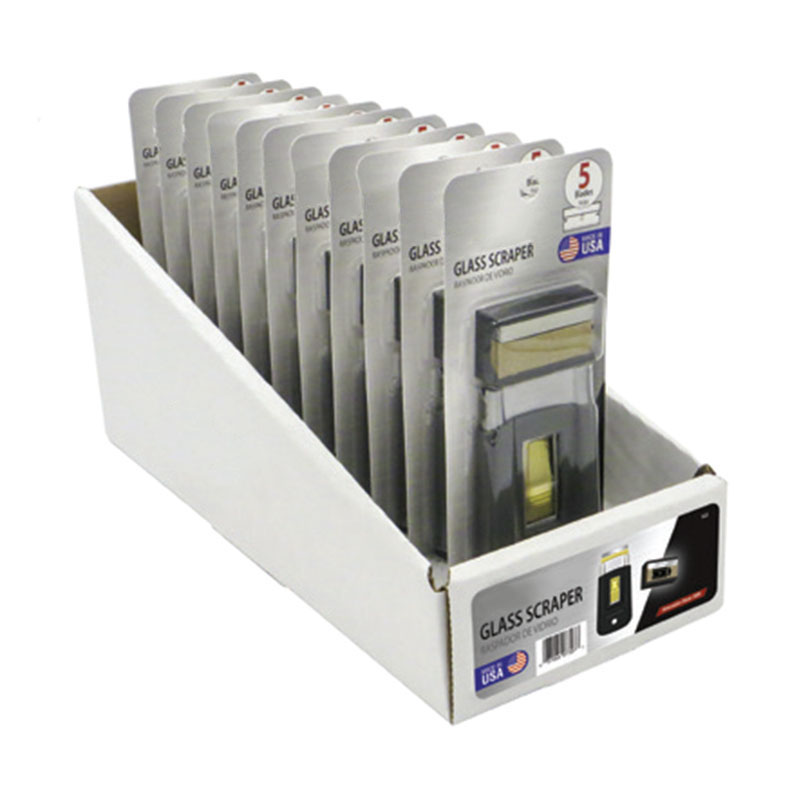
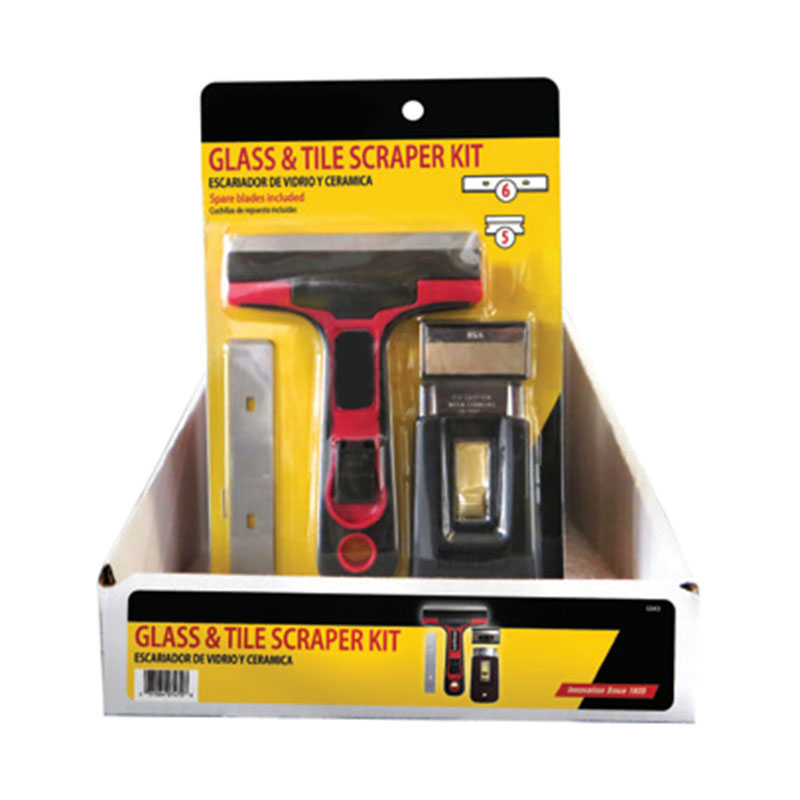
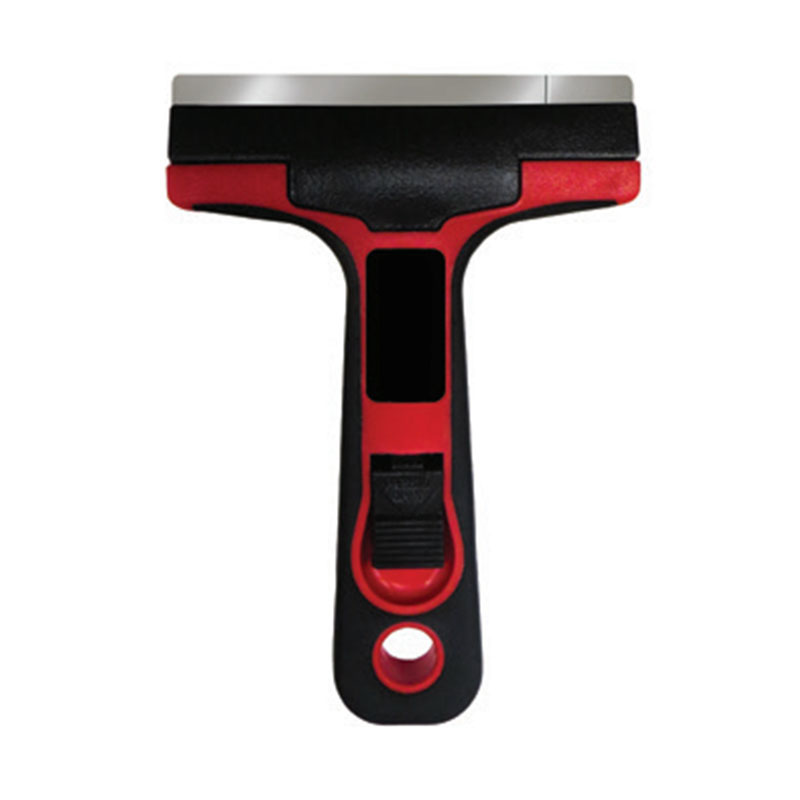
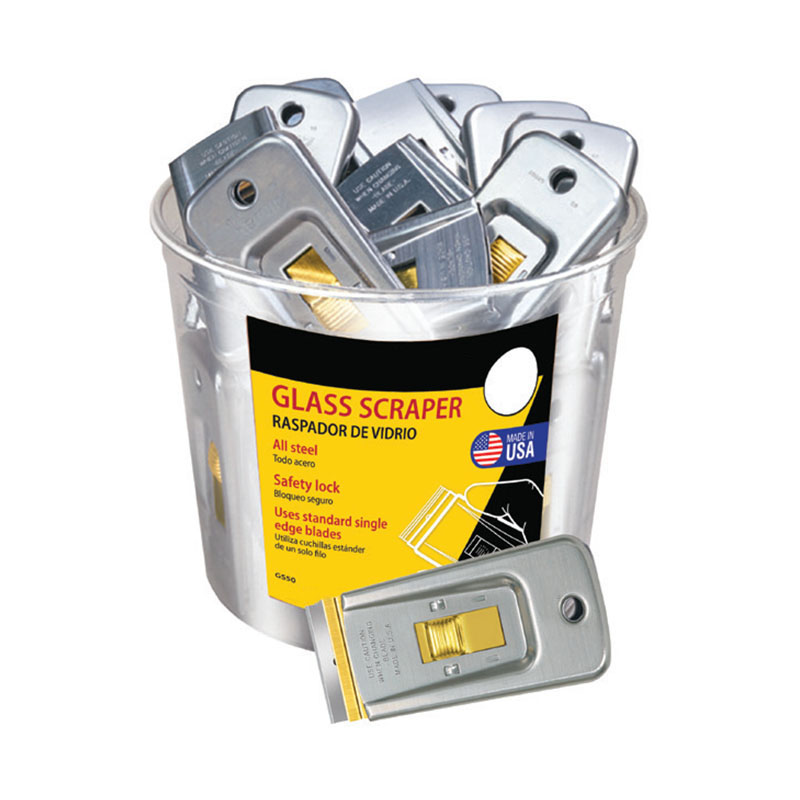
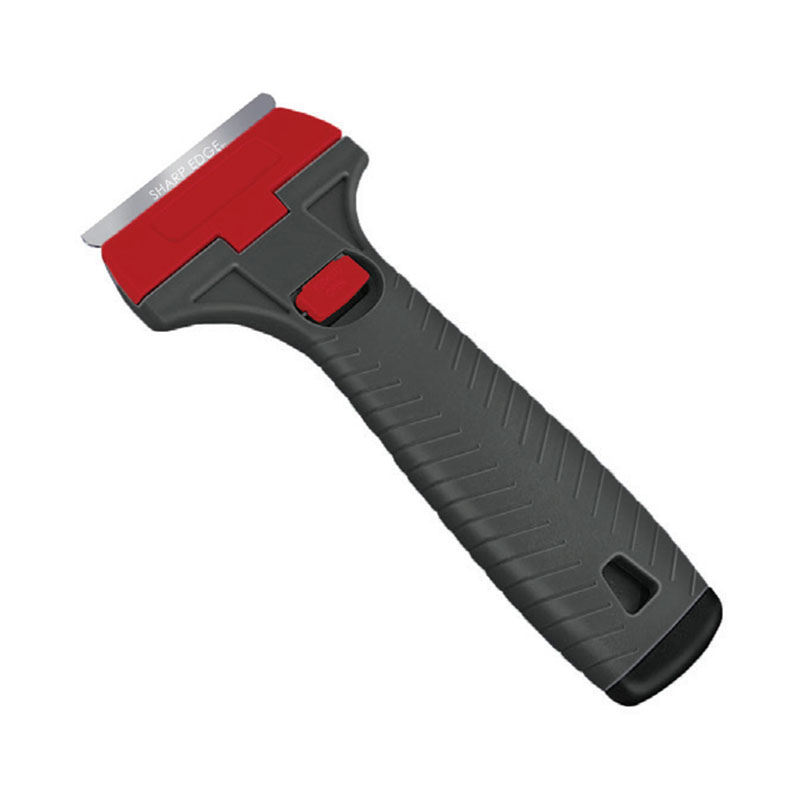
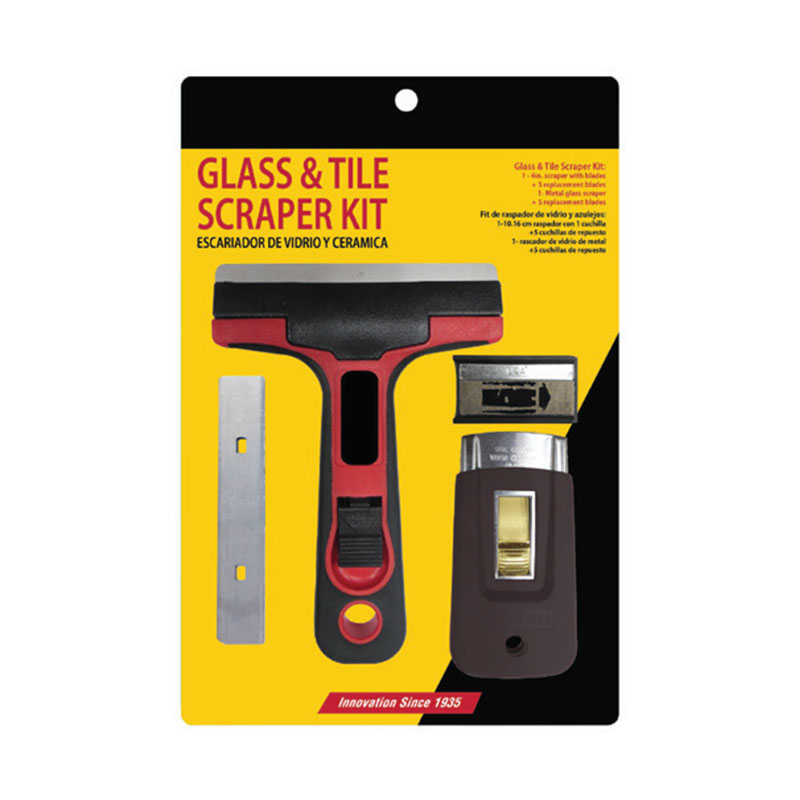
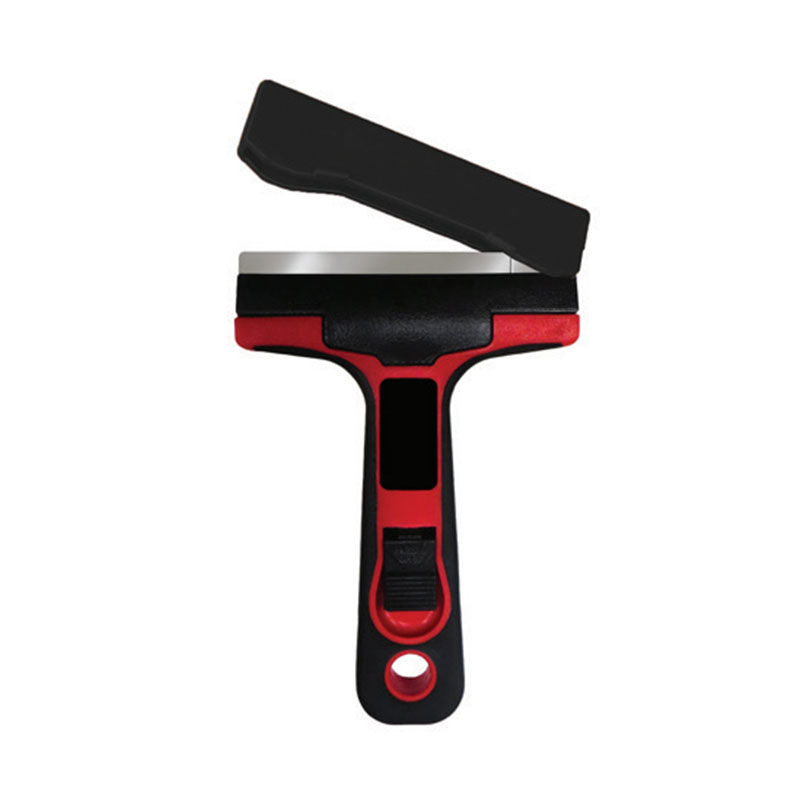
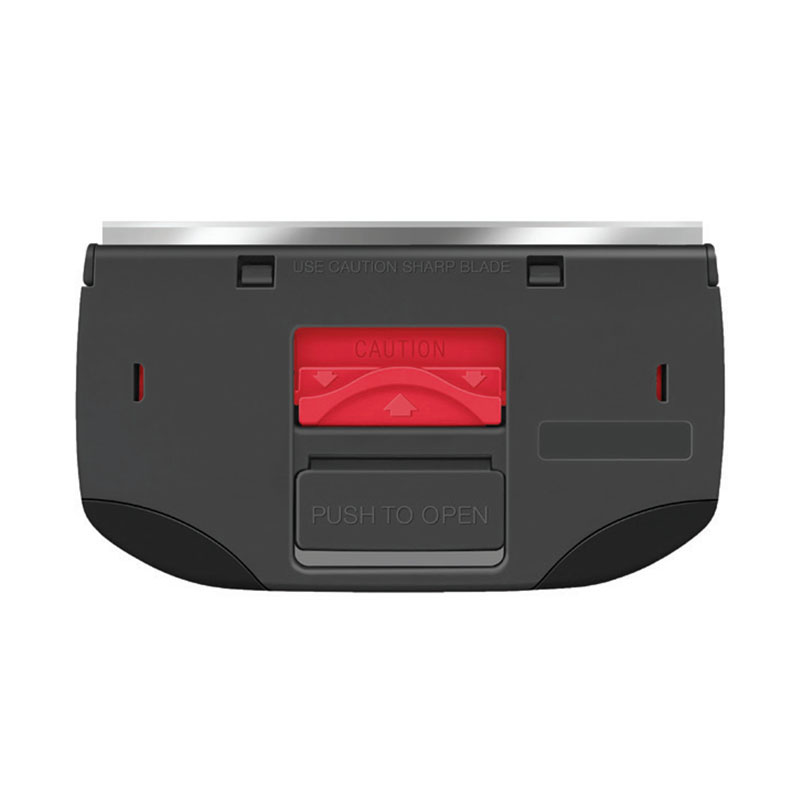
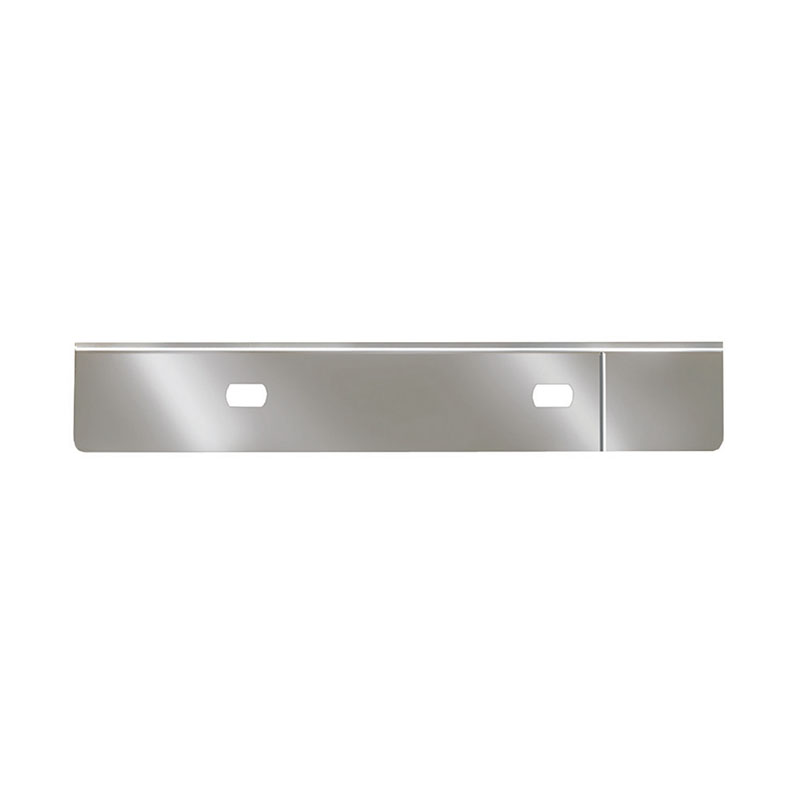
The Glass & Tile Scrapers are designed for efficient removal of paint, adhesive residue, stains, and surface buildup from glass and tile surfaces. Featuring a sharp and durable blade, they provide precise scraping performance while helping protect surfaces during cleaning tasks. As a practical Glass Cleaning Blade Scraper, it is suitable for windows, mirrors, and smooth surfaces. These Tile Scrapers are ideal for renovation, maintenance, and daily cleaning applications, offering convenient handling and reliable performance for professional and household use.
 sales@sanjiantools.com
 |
GS(07007) | SAFETY GLASS SCRAPER W/5 BLADES |
| GS1(07088) | SAFETY GLASS SCRAPER W/1 BLADE | |
| G550(07031) | SAFETY GLASS SCRAPERS, 50/BUCKET | |
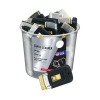 |
SGS(07307) | SOFT GRIP, STEEL, GLASS SCRAPER W/5 BLADES |
| 5GS25(07327) | SOFT GRIP, STEEL, GLASS SCRAPERS, 25/BUCKET | |
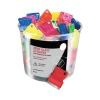 |
GSM(07089) | MINI GLASS SCRAPER W/1 BLADE |
| GSM5(07190) | MINI GLASS SCRAPER W/5 BLADES | |
| GSM100(07080) | MINI GLASS SCRAPERS,100/BUCKET | |
| GSMP5(07191) | MINI SCRAPERS W/5 EXTRA STEEL-CORE PLASTIC BLADES | |
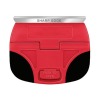 |
GUS(07150) | HEAVY DUTY UTILITY SCRAPER |
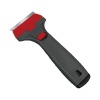 |
LUS(07152) | LONG HANDLE UTILITY SCRAPER W/3 BLADES |
 |
GRS(07450) | EURO-STYLE 4"WIDE GLASS & TILE SCRAPER |
 |
GTS(07400) | 4" GLASS & TILE SCRAPER W/SOFT GRIP |
| GTS-G(07401) | 4" GLASS & TILE SCRAPER W/SOFT GRIP & SNAP-ON BLADE GUARD | |
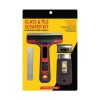
| GSK3(07327) | GLASS & TILE SCRAPER KIT |
Remove paint, tape, stickers & debris from smooth, non-porous surfaces
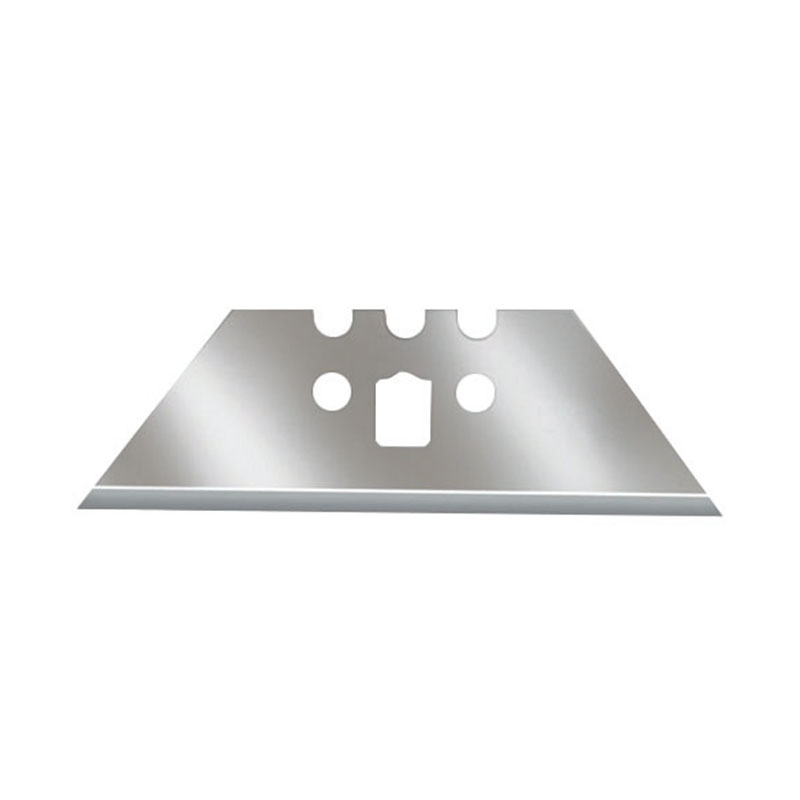
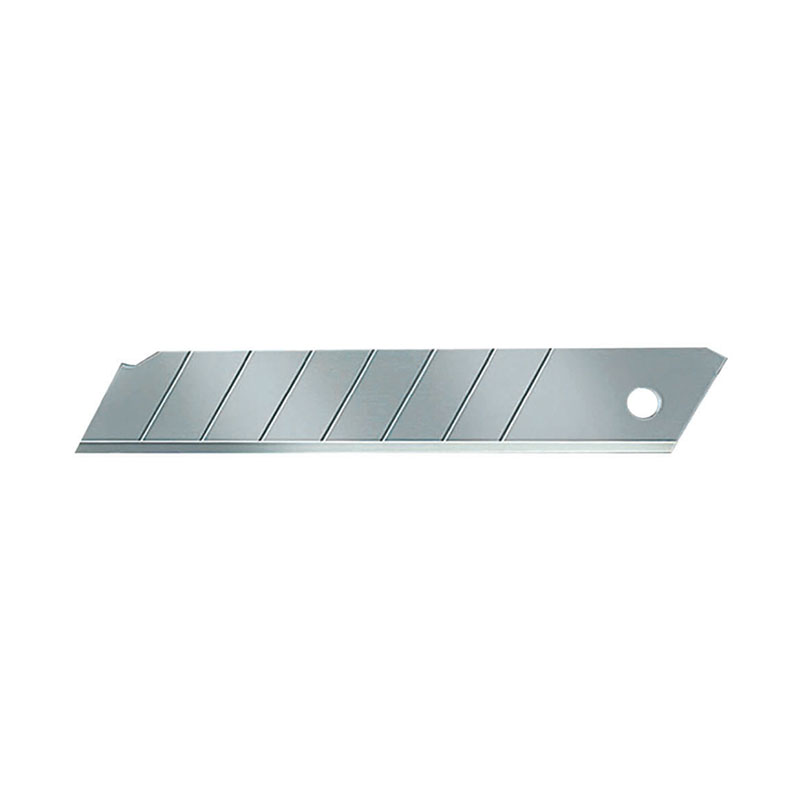
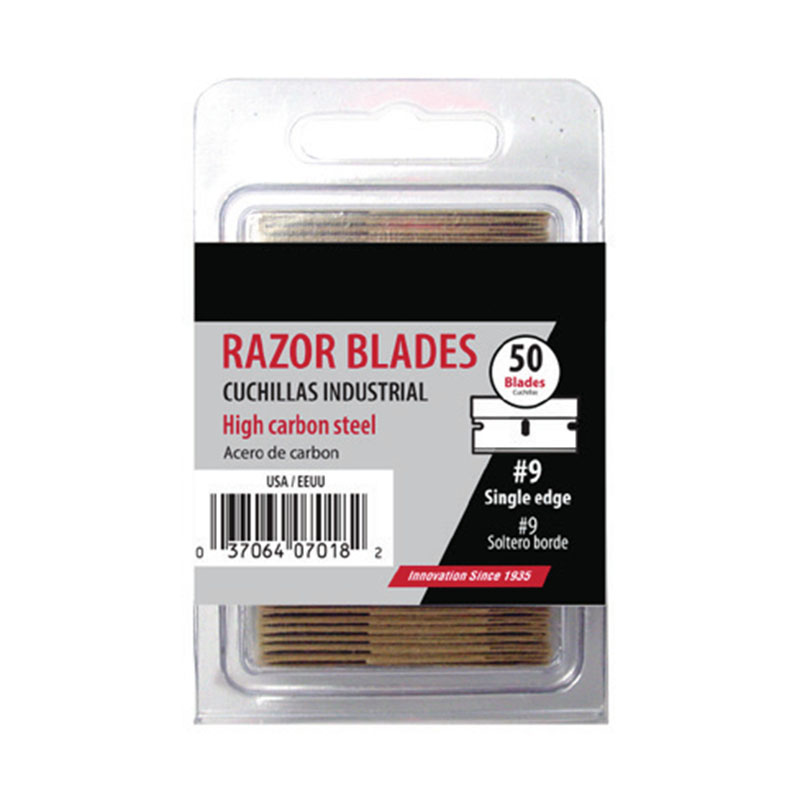
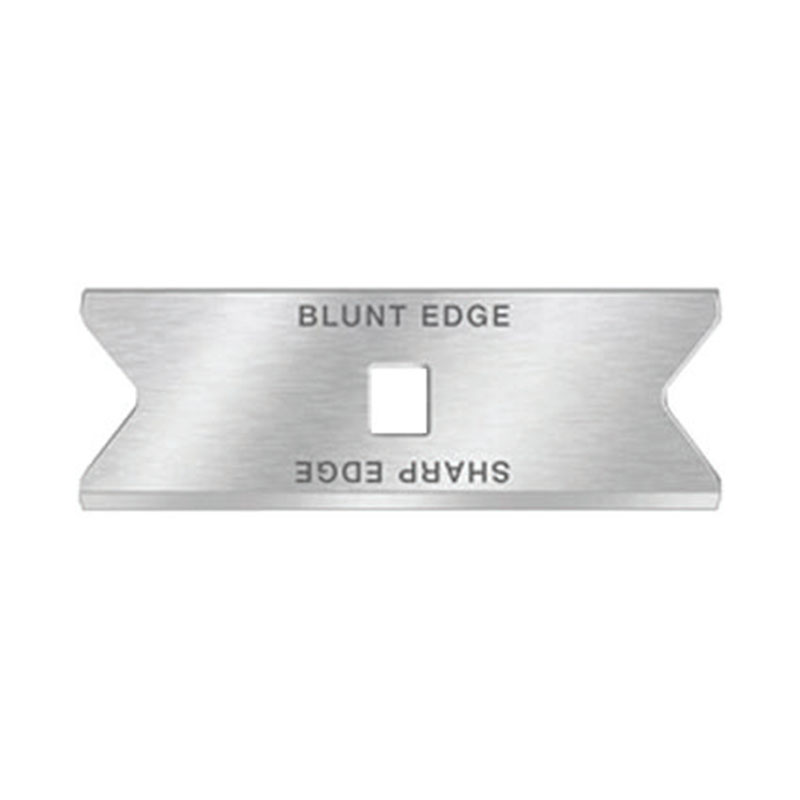
Glass scrapers use standard single-edge razor blades
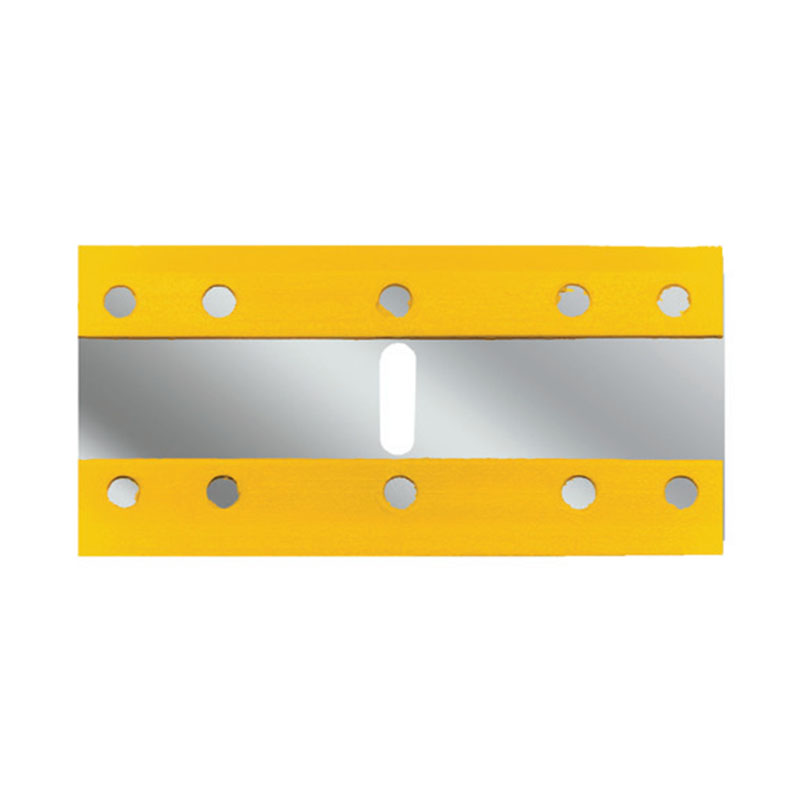
Glass & tile scrapers use 4’ blades
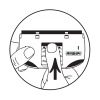
Easy blade change mechanism without screwdriver needed
 |
Retractable blade guard |
-
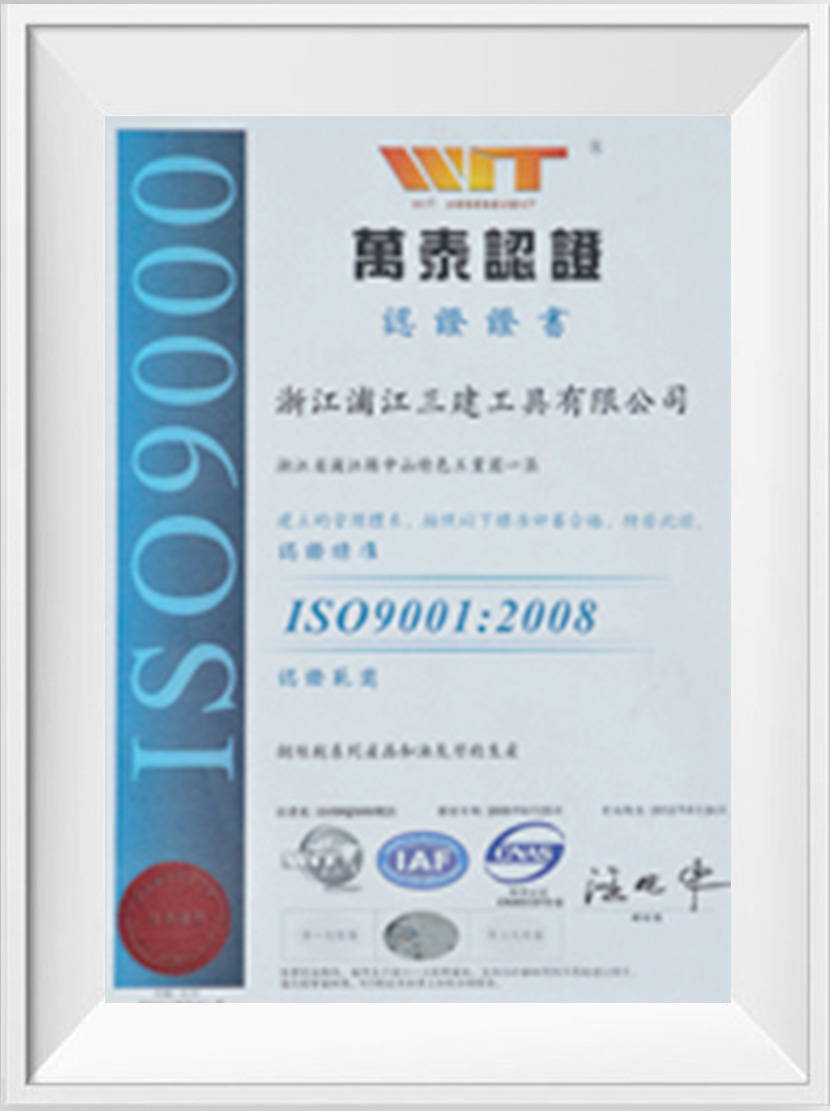
IS09001:2008
-

IS09001:2008
-
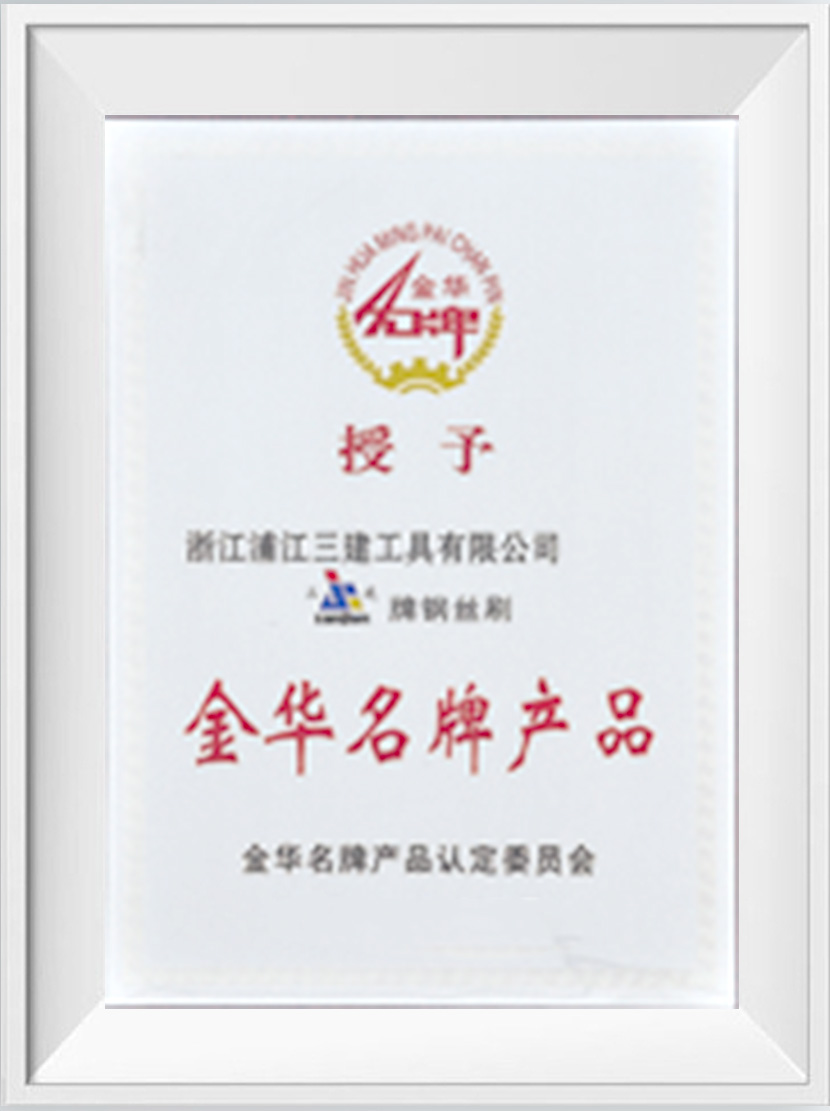
Jinhua famous brand products
Products Recommended

About Us
Zhejiang Pujiang Sanjian Tools Co., Ltd. was founded in 1992. It is a company integrating product development, design, production, sales and trade. In the process of its continuous development and growth, it has successively established "Zhejiang Pujiang Sanjian Import and Export Co., Ltd." and "Sanjian Brush Co., Ltd.". The company has the right to import and export on its own, specializing in the production of various types of Custom Glass Cleaning Blade Scraper Supplier and Wholesale Tile Scrapers Company. It is a supplier of Wal-Mart and Home Depot in the United States. The company is located in Zhongshan Special Industrial Park, Pujiang County, Zhejiang Province, covering an area of 20,000 square meters. It is located at the Pujiang entrance of Hangjinqu Expressway, 6 kilometers away from Yiwu Airport, and the transportation is Intensely convenient. The company has a deep corporate culture, ISO9001 quality system management, scientific production control, superb after-sales service, systematic brand support and reasonable sales layout, so that the company's various economic indicators rank first in the domestic industry. The company's consistent business philosophy: to achieve sustainable operation with customer satisfaction, employee satisfaction and business satisfaction. Innovative quality, guaranteed delivery, affordable prices, improved productivity to enhance product competitiveness, and committed to never-ending product innovation, moving towards diversified international operations is our eternal goal.
News


-
 +86-13906791151
-
 sales@sanjiantools.com
-
 No.1 Xinggong Road, Huangzhai Town, Pujiang County, Zhejiang Province, China
About Us
To provide effective services to customers is
the direction of our work and work and the yardstick of value evaluation.
To achieve customers is to achieve ourselves.


Client
Product Links
Contact Us
Copyright © Zhejiang Pujiang Sanjian Tools Co., Ltd. All Rights  浙公网安备33072602100309号
Reserved.
浙公网安备33072602100309号
Reserved.

Construction Paint Tools Factory