What Is a Paint Mixer?
A Paint Mixer is a practical tool used to blend paint, coatings, and similar liquid materials before application. It may look simple at first glance, but anyone who has worked with paint knows that proper mixing makes a real difference. Without it, the color can separate, the texture can become uneven, and the final result is often inconsistent.
For wholesalers, distributors, suppliers, and importers, this is a product with steady demand because paint is used everywhere—construction sites, renovation work, hardware stores, industrial coating lines, and workshops. A good mixer does not need to be complicated. It just needs to stir efficiently, hold up during repeated use, and fit the equipment or workflow the buyer already has.
Raw Materials and Where They Come From
Most paint mixers are made from steel, usually carbon steel, stainless steel, or plated steel. Which one gets used mostly comes down to where the tool will be used and how much the buyer wants to spend.
Carbon steel is the common choice for general paint mixing. It is strong enough for everyday use and keeps the price at a level that makes sense for bulk orders. Stainless steel is usually picked when rust resistance matters more, especially for water-based paints, damp storage areas, or tools that get washed and reused often.
Some Professional Paint Mixer models are finished with galvanized or coated surfaces so they can hold up a little better over time. If the product is made as a Paint Stirring Bit, the material choice follows the same logic, but the part also has to fit the drill or power tool properly. If the fit is off, the rest does not really matter.
Most of the steel comes from standard industrial suppliers. For buyers, the real question is usually not just what the material is, but how consistent it stays from batch to batch. Wire thickness, surface finish, and weld quality all show up pretty quickly in actual use. If the mixer bends too easily or starts wearing out too soon, customers notice.
Simple Production Process
The production process is fairly straightforward, but it still needs to be kept under control.
- First, the metal is cut to size. Depending on the design, this may involve wire forming, sheet cutting, or tube processing.
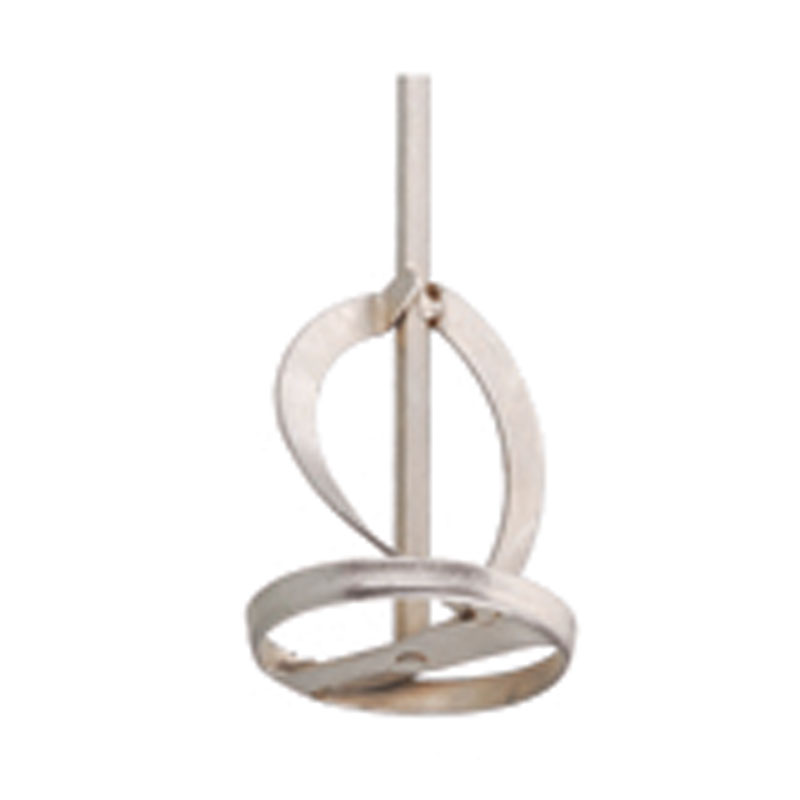
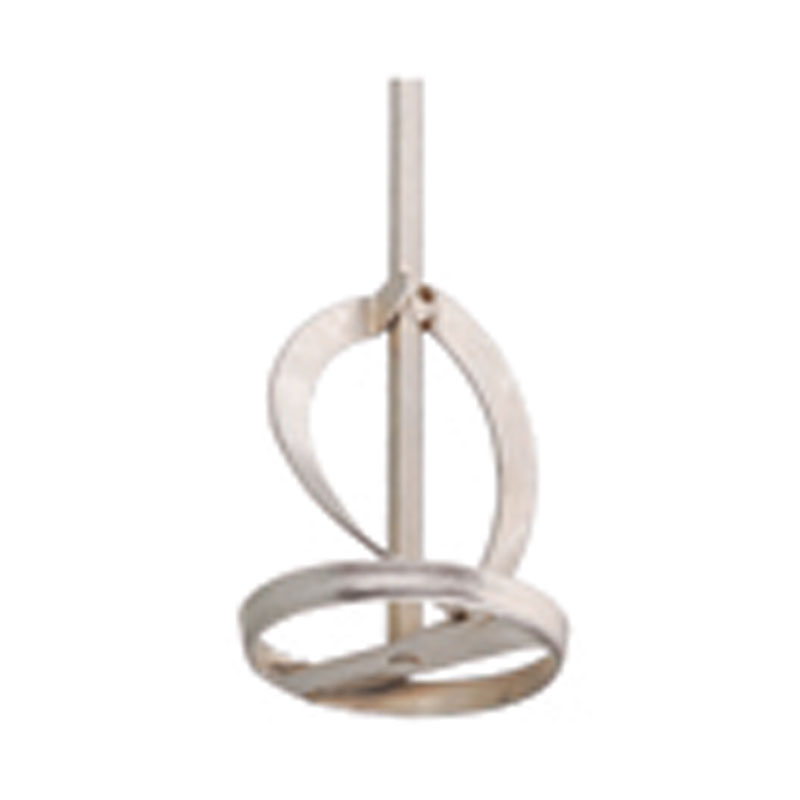
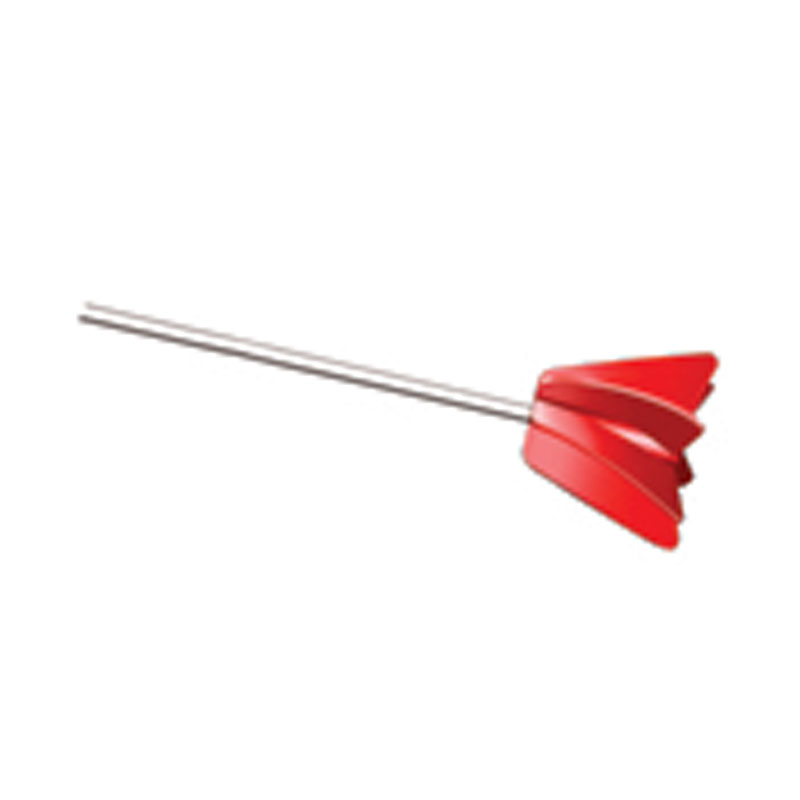
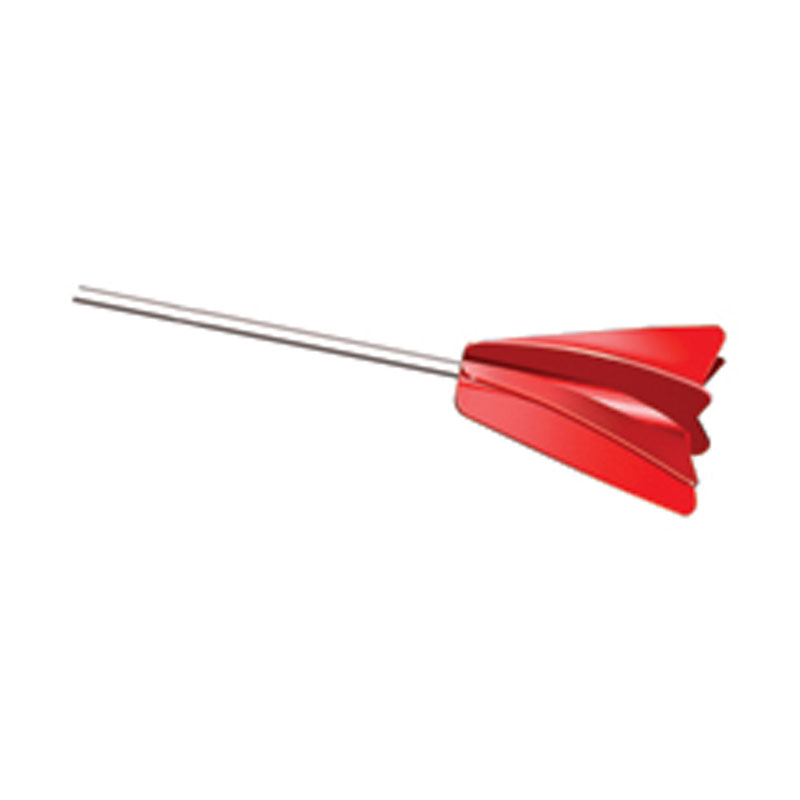
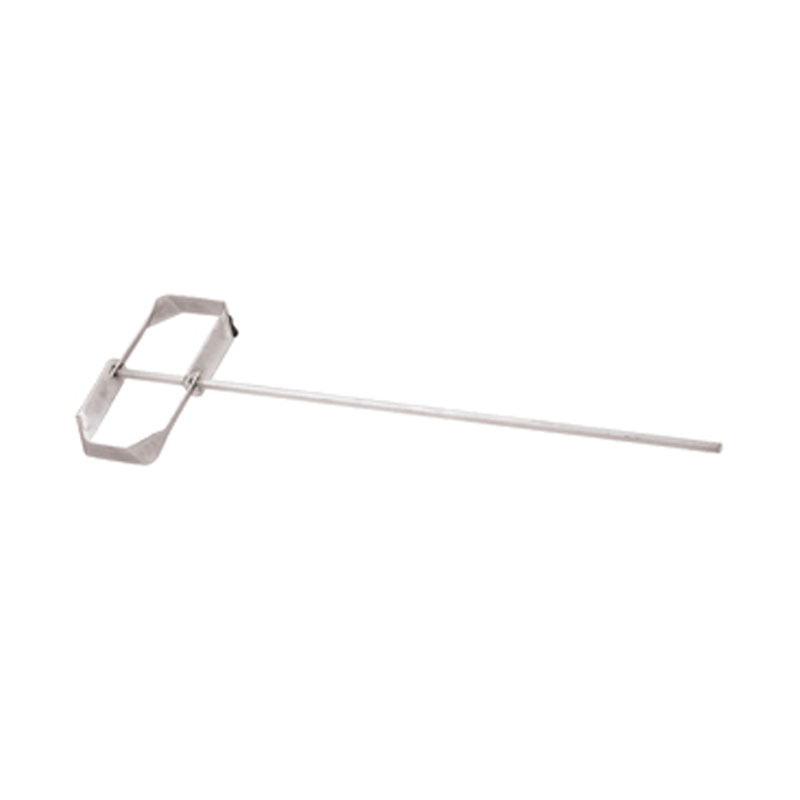
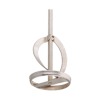
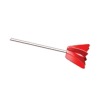
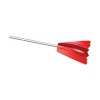
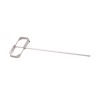
- Then the mixing part is shaped. It may be bent into a spiral form, a paddle shape, or another pattern depending on how the paint is supposed to move. A Paint Stirring Bit usually needs a shape that stirs well without wobbling or feeling unstable once it starts turning.
- After that, the parts are welded or assembled. This is where a lot of the real quality comes from. If the joints are weak, uneven, or poorly fixed, the tool will not hold up for long in regular use.
- Once the structure is finished, the product goes through surface treatment. That may mean polishing, plating, coating, or another finish that helps protect it from rust and gives it a cleaner look.
- At the end, each Paint Mixer is checked for size, shape, strength, and overall finish before packing. Buyers usually just want a tool that works as soon as it comes out of the box. That is not asking too much, but it is exactly what separates a product that gets reordered from one that does not.
Common Applications
Paint mixers are used in a wide range of settings, and that broad use is one reason they remain a stable product category.
In construction and renovation work, they are used to mix paint, primer, sealant, and other coatings before application. Anyone who has opened a can of paint after storage knows the material often separates a bit, so mixing is a normal part of the job.
In hardware stores and paint supply shops, a Paint Stirring Bit is often sold as a simple add-on product for customers who want to use their own drill for mixing. It is quick, convenient, and easy to explain.
A Professional Paint Mixer is more likely to be used in workshops, industrial coating rooms, and commercial painting jobs where larger batches need to be mixed more consistently. These users usually care more about durability and stable performance than appearance.
The product is also useful in factories that handle coatings, adhesives, or other liquid materials that need blending before use. It is not limited to wall paint. In practice, the same basic tool can support several different industries.
What Buyers Usually Care About
When buyers source paint mixers, they tend to focus on a few practical things.
- Mixing performance is usually the first concern. The tool should blend paint evenly without leaving clumps or unmixed material at the bottom. If the job takes too long or the result is inconsistent, end users notice quickly.
- Durability is another important point. A mixer that bends, rusts, or loosens too easily will not hold up in daily use. This is especially important for buyers who supply contractors or industrial users.
- Compatibility matters as well. For a Paint Stirring Bit, buyers need to know whether it fits common drill sizes and whether it runs smoothly under rotation. If the fit is awkward, the product becomes much less useful.
- Surface protection also matters. In paint-related work, buyers want tools that do not shed metal flakes or create unnecessary contamination in the mixture.
- Packaging and transport are worth thinking about too. These are simple products, but they still need to be packed well so they do not bend or scrape during shipping. That matters more than people sometimes expect, especially on export orders.
Wholesale and Custom Services
Paint mixers are usually sold in bulk, and customization is a normal part of the business.
Depending on the market, buyers may request different sizes, wire thicknesses, shaft shapes, or mixing head styles. Some need compact mixers for small cans, while others want larger models for industrial paint drums or bigger coating jobs.
OEM and ODM services are common. That can include logo printing, private label packaging, custom carton design, barcode labels, and product marking. For distributors, that is useful because it helps build a recognizable product line without having to redesign the item from scratch.
Packaging can also be adapted to different sales channels. Some buyers want bulk cartons for warehouse supply. Others need retail packaging for hardware stores or online sales. A flexible supplier can usually handle both.
Some buyers also ask for custom adjustments to suit local market habits, such as handle length, mixer diameter, or compatibility with specific drill systems. That kind of flexibility often makes the difference when a product is meant for repeat orders.
Summary
A Paint Mixer is a straightforward tool, but it plays a real role in both everyday and industrial painting work. It helps keep coatings consistent, reduces waste, and makes application more reliable.
For wholesalers, suppliers, and importers, the key points are usually simple: stable materials, dependable mixing performance, good fit, and consistent production. Whether the product is sold as a Paint Stirring Bit or a Professional Paint Mixer, buyers usually want the same thing—a tool that works smoothly, holds up over time, and fits naturally into the way their customers already work.


 中文简体
中文简体 Deutsch
 Español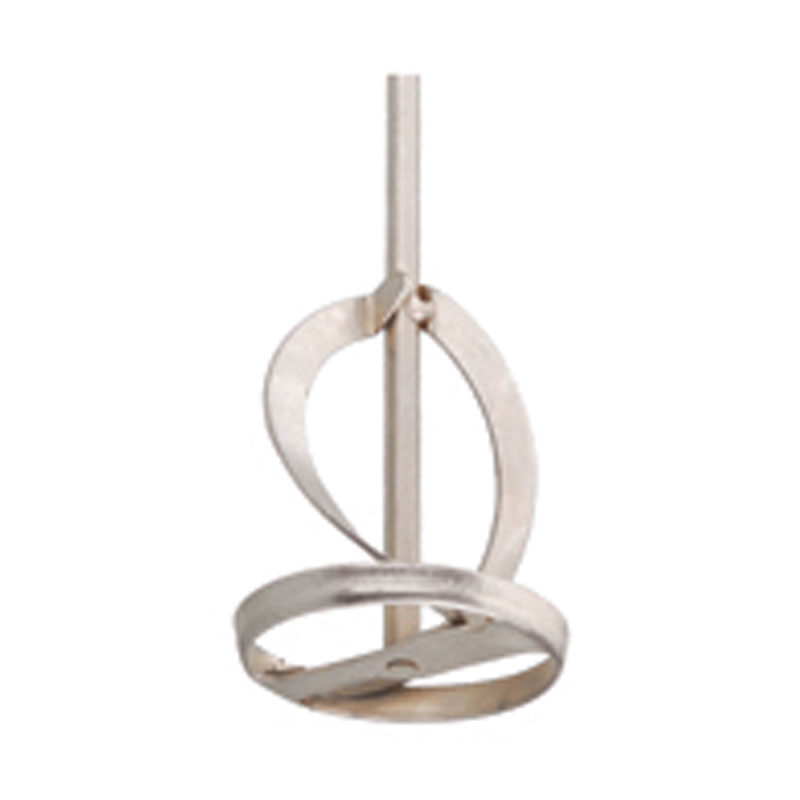
 sales@sanjiantools.com





 +86-13906791151
 sales@sanjiantools.com
 No.1 Xinggong Road, Huangzhai Town, Pujiang County, Zhejiang Province, China


 浙公网安备33072602100309号
Reserved.
浙公网安备33072602100309号
Reserved.
