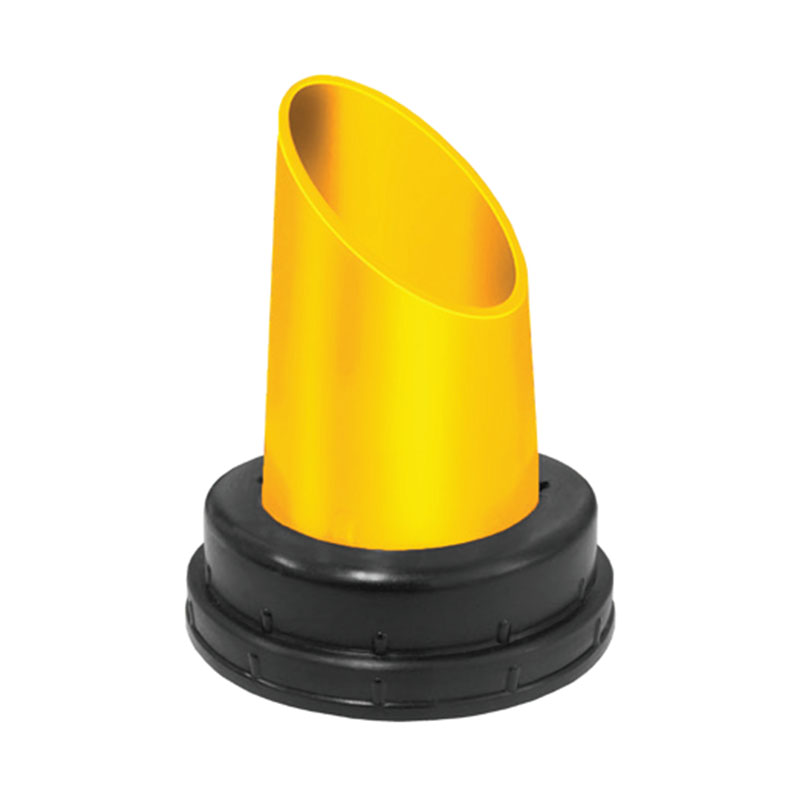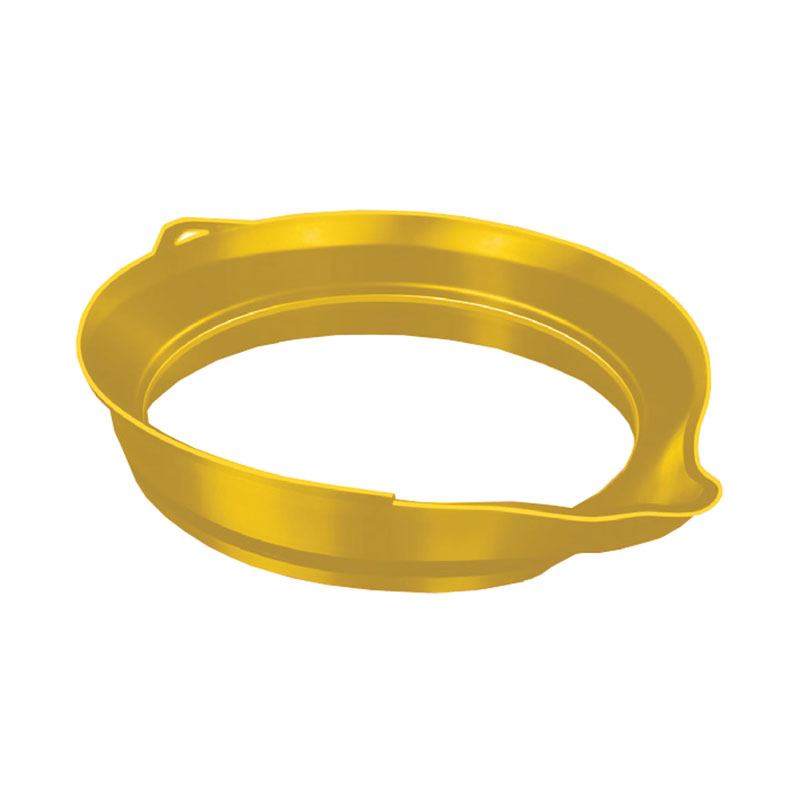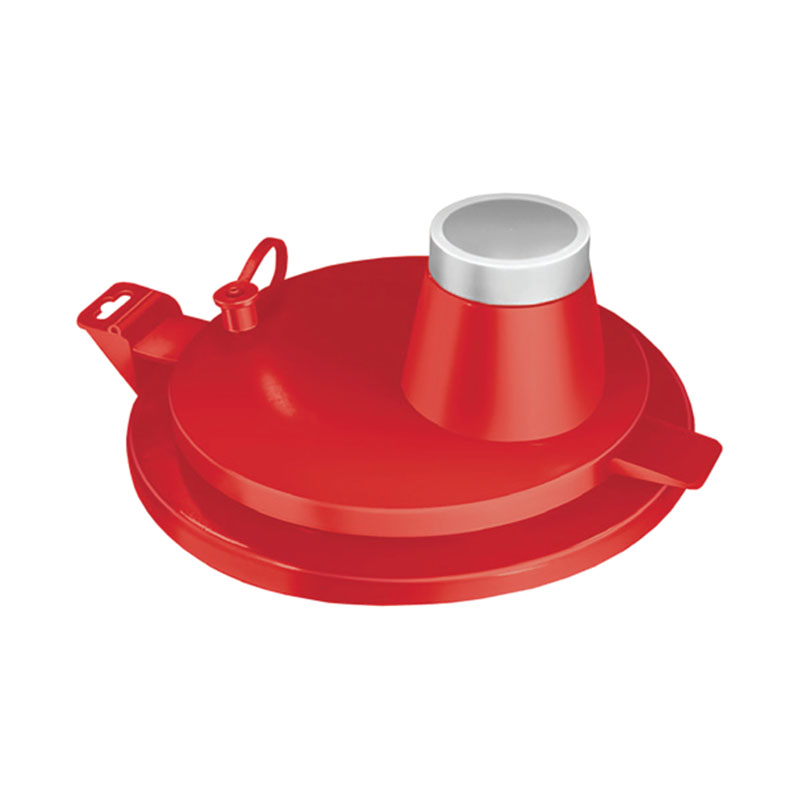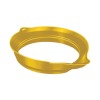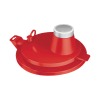
What Are Pouring Spouts?
Pouring Spouts are small accessories, but they make a very noticeable difference in everyday use. Their job is simple: help liquid come out in a cleaner, more controlled way. Instead of dribbling down the side of a bottle or splashing all over the place, the liquid flows through a narrow opening and lands where it should.
That is why these parts show up in kitchens, bars, restaurants, catering setups, and even some light industrial applications. A good Spout for Pouring is not something people talk about much, but once it works well, nobody wants to go back to a bottle without one.
Buyers usually look at this product as a practical add-on. It is small, easy to ship, and easy to explain to end users. That makes it a useful item for wholesalers, distributors, and importers who want steady turnover without a lot of market education.
Raw Materials and Material Selection
The material choice depends a lot on where the product will be used.
Stainless steel is a common choice for higher-end versions. It has a cleaner look, handles moisture well, and feels more durable in daily use. For food-related or barware markets, that usually matters quite a bit.
Plastic is also widely used, especially in standard models. It keeps the cost down and works well for general applications. In many cases, PP or PE is used because it is lightweight and easy to mold.
Silicone often comes into play in the sealing part. It helps the spout fit more snugly on the bottle neck and reduces leaking. Some products use a mix of materials rather than relying on just one. That is pretty normal in this category.
For buyers, the real question is usually not"which material sounds best," but "which material will hold up in the market we're selling to." A Pouring Nozzle that seals properly, pours cleanly, and does not crack after repeated use is usually the one that gets reordered.
How They're Made
The production process is fairly straightforward, but it still needs to be done carefully.
- First, the materials are prepared. Stainless steel parts may be cut, stamped, or shaped, while plastic pieces are usually injection molded. Silicone parts are formed separately when a flexible sealing section is needed.
- Then the components are cleaned up and trimmed. This step helps remove rough edges and makes sure the parts fit together properly.
- After that, the spout body and sealing parts are assembled. At this point, the fit matters a lot. If the parts do not line up correctly, the product may leak or feel loose once it reaches the end user.
- Once assembled, the product is tested in a basic way. Workers usually check whether it fits common bottle neck sizes, whether the flow is smooth, and whether the seal holds up during use.
- Finally, the finished Spout for Pouring is packed and prepared for shipping. There is nothing overly complicated here, but good factories know that small details can make the difference between a product that sells well and one that causes complaints.
Where They're Used
Pouring spouts are used in a lot of different places, which is one reason they remain a steady product category.
In kitchens, they are often fitted onto oil bottles, vinegar bottles, and other liquid containers. They help cooks pour more neatly and keep the bottle itself from getting messy on the outside.
In bars and restaurants, a Pouring Nozzle is often used on liquor bottles. It helps control the flow, which is useful for speed and portioning. That is a small thing, but in a busy service environment, it makes a real difference.
Catering companies also use them because they deal with liquid ingredients in larger quantities and need tools that help reduce waste and spills.
You will also see them in light industrial settings, where cleaning liquids, lubricants, or maintenance fluids need to be poured with a bit more control. In those cases, the goal is usually less about appearance and more about keeping the work area clean and efficient.
Retail is another strong market. A lot of customers buy them as kitchen accessories, so the product can move through both wholesale and consumer channels.
What Buyers Usually Care About
When buyers source pouring spouts, they usually look at a few very practical things.
- Leak control is one of the first. If the product drips or does not seal properly, that becomes obvious very quickly. People notice mess, especially when they use the same bottle every day.
- Fit on the bottle neck is another common concern. A good spout should sit securely without being hard to install or remove. If the fit is too loose, it will slip. If it is too tight, customers get annoyed.
- Flow quality matters too. Buyers want the liquid to pour in a steady stream rather than splashing or running unevenly. That is especially important for kitchen and bar use.
- Material smell and safety also come up, especially in food-related markets. No one wants plastic odor or a material that feels questionable when used with edible liquids.
- Durability is important because these products are often washed and reused. If the seal wears out too fast or the body cracks, the product loses value quickly.
- Packaging and shipping are worth paying attention to as well. These are small items, but they still need proper packing so they do not bend, scratch, or lose shape during transport.
Wholesale and Custom Services
This category is flexible, which is good news for B2B buyers.
Different markets may need different sizes, different neck fits, or slightly different pouring speeds. Some buyers want a basic everyday version. Others want something more polished for retail or barware use.
Customization options often include:
- Different sizes for different bottle necks
- Stainless steel or plastic material choices
- Silicone sealing upgrades
- Logo printing or laser marking
- Private label packaging
- Retail-ready blister packs
- Bulk carton packing
- OEM and ODM production
For distributors, that flexibility matters because it helps the same product fit different sales channels. A Spout for Pouring sold in a supermarket shelf pack may need a different look from one sold in bulk to foodservice buyers.
Some buyers also ask for packaging that works better for e-commerce or local retail. That kind of adjustment is often small, but it helps a lot once the product enters the market.
Summary
Pouring Spouts are simple products, but they solve a real everyday problem. They make liquid pouring cleaner, easier, and more controlled, which is why they keep showing up in kitchens, bars, catering operations, and light industrial settings.
For wholesalers, distributors, suppliers, and importers, the main things to watch are sealing quality, material stability, pour control, and packaging. A well-made Pouring Nozzle does not need a big sales story. It just needs to work properly, hold up over time, and fit the market without causing trouble.