 sales@sanjiantools.com


 中文简体
中文简体 Deutsch
 Español
Tips For Using Industrial Painting Tools In Surface Coating Work
A coating job can go wrong even with good paint and a well-prepared surface. The tools used to apply the coating have a direct effect on the final appearance. A spray gun that is not set up correctly will leave an uneven finish. A brush that is the wrong type will show brush marks. A roller that does not hold enough paint will leave thin spots.
The choice of tools should match the coating material and the surface being coated. A high-solids coating requires different tools than a thin primer. A textured surface needs a different approach than a smooth one. The right tool for the job makes the work easier and the results better.
The quality of Industrial Painting Tools affects productivity. A poorly made spray gun will clog or produce inconsistent spray patterns. A cheap brush will shed bristles into the finish. The time saved by using quality tools often outweighs the initial cost difference.
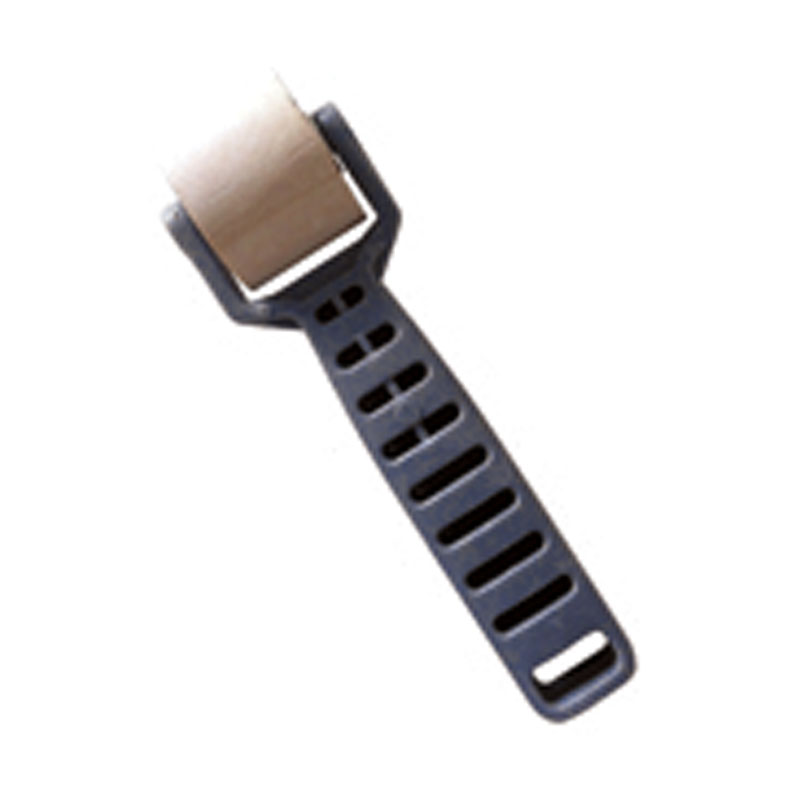
Masking protects areas that should not be painted. Tape and paper cover windows, trim, and other surfaces. The masking should be applied carefully to prevent paint from bleeding under the tape. The time spent masking saves time on cleanup.
Paint viscosity affects how the coating flows out of the tool. A coating that is too thick will not atomize properly in a spray gun. A coating that is too thin will run and sag. The viscosity should be adjusted to match the tool and the application method.
How Spray Guns Differ from Brushes and Rollers
Spray guns cover large surfaces quickly and provide a smooth, uniform finish. The coating atomizes into fine droplets that lay down evenly. Spray guns work well for large areas and complex shapes where brush marks would be visible.
Brushes suit detail work and small areas. A brush can reach corners and edges that a spray gun cannot. The brush also gives the operator control over the amount of coating applied. A good brush holds enough paint to cover a reasonable area without frequent dipping.
Rollers cover flat surfaces efficiently. The roller holds a large amount of paint and applies it quickly. Different roller covers suit different surface textures. A smooth surface needs a short nap. A rough surface needs a longer nap to reach into the texture.
Decorating Painting Tools often serve smaller-scale projects, while industrial tools handle larger volumes and heavier coatings. The distinction is not always clear-cut, but the tool choice should reflect the scale and demands of the job.
| Tool Type | Advantages | Limitations |
|---|---|---|
| Spray gun | Fast, smooth finish | Overspray, cleanup time |
| Brush | Control, precision | Slower, brush marks |
| Roller | Fast, even coverage | Limited reach, texture variation |
| Pad | Fine finish on smooth surfaces | Limited area per dip |
How to Choose the Right Spray Tip and Pressure Setting
The spray tip size should match the coating viscosity. A thin coating works well with a smaller tip. A thicker coating needs a larger opening to pass through without clogging. The tip size affects both the flow rate and the spray pattern.
The pressure setting affects how the coating atomizes. High pressure produces finer atomization but may cause overspray. Low pressure produces larger droplets and a softer spray pattern. The pressure should be adjusted to achieve the desired finish without wasting coating.
Testing the settings on a scrap surface is a good practice. The test reveals whether the tip size and pressure produce the desired result. Any adjustments can be made before the coating goes onto the actual surface.
What Application Techniques Produce Better Results
Maintaining a consistent distance from the surface helps achieve uniform coverage. A spray gun held too close will apply too much coating and cause runs. A spray gun held too far away will apply too little coating and create a dry, rough surface.
Overlapping passes prevent stripes and gaps in the coating. Each pass should overlap the previous one by about half the spray pattern width. The overlap ensures that the entire surface receives even coverage.
The speed of movement affects the coating thickness. Moving too slowly applies too much coating. Moving too quickly applies too little. The speed should be consistent across the entire surface.
A few techniques that improve results:
- Keep the spray gun at a consistent distance from the surface
- Overlap each pass by half the spray pattern width
- Move at a steady speed across the surface
- Start and stop the spray off the surface to avoid heavy spots
- Apply multiple thin coats rather than one thick coat
How to Clean and Maintain Industrial Painting Tools
Cleaning spray guns right after use tends to help prevent coating material from drying inside the passages. Dried coating tends to clog the nozzle and the fluid tip, and once it's set, the material can be fairly difficult to remove without damaging the tool. Cleaning generally works well before the coating gets a chance to set up.
Solvent selection tends to matter quite a bit for effective cleaning. The solvent generally should dissolve the coating material without attacking the tool's seals and gaskets. Some solvents tend to be fairly harsh on rubber components, and repeated exposure can cause them to swell or degrade over time. The solvent should probably match the coating type being used.
Brushes tend to need some care to maintain their shape. A brush left standing on its bristles will likely become bent and hard to use properly. A brush that isn't cleaned thoroughly may end up with dried coating near the ferrule. Brushes generally do better when cleaned well and stored flat or hanging.
A few maintenance points worth keeping in mind for painting tools:
- Clean spray guns soon after each use
- Use a solvent suited to the coating material
- Store brushes flat or hanging to help preserve bristle shape
- Replace worn roller covers on a fairly regular basis
- Inspect spray tips for wear and replace as needed
What Safety Practices Should Be Followed During Painting?
Ventilation tends to matter quite a bit when working with coatings. Solvents and volatile organic compounds evaporate during application, and vapors can build up in an enclosed space fairly quickly. Fresh air moving through the work area tends to help keep vapor concentrations at a reasonable level.
Personal protective equipment generally includes respirators, gloves, and eye protection. A respirator tends to filter out harmful vapors and particles. Gloves help protect skin from direct contact with coatings and solvents. Eye protection helps prevent splashes from reaching the eyes.
Solvents and thinners tend to be flammable, so fire safety is worth keeping in mind throughout. Coatings and solvents generally should be stored away from heat sources and open flames, and having a fire extinguisher readily accessible in the work area tends to be a reasonable precaution.
How Weather and Environment Affect Painting Results
Temperature tends to affect how a coating flows and dries. A coating applied in cold conditions may not flow out properly, sometimes leaving a rough finish. A coating applied in hot conditions may dry too quickly, which can trap solvent and cause defects. Staying within the coating manufacturer's recommended temperature range tends to help avoid these issues.
Humidity also tends to affect the drying process. High humidity can sometimes cause a coating to blush or turn cloudy. Low humidity can cause it to dry too quickly instead. Monitoring humidity and adjusting as needed tends to be worthwhile.
Wind affects spray painting mainly by carrying overspray away from the target surface, though it can also blow dust and debris onto a wet coating. Outdoor painting tends to go better on calmer days or in reasonably protected areas.
How to Troubleshoot Common Painting Problems
Orange peel describes a finish with a textured, dimpled appearance. It often results from incorrect pressure settings or improper atomization. Adjusting the pressure or changing the tip size can often correct the problem.
Runs and sags tend to occur when too much coating gets applied to a surface. The excess material flows downward before it dries, creating a drip or sag. Applying thinner coats and checking the distance and speed of application tends to help.
Dry spray happens when coating droplets dry before reaching the surface. The finish tends to feel rough and shows poor adhesion. This is often caused by too much distance between the gun and the surface, or air pressure that's a bit too high.
A few common problems and their likely causes:
- Orange peel — pressure too high or tip too small
- Runs and sags — applying too much coating
- Dry spray — gun too far from the surface
- Flaking or peeling — poor surface preparation
- Pinholes — trapped solvent vapor
Why a Good Painting Routine Improves Consistency
A repeatable process for each job tends to help produce more consistent results. Following the same steps in the same order tends to reduce the chance of errors. Over time, the routine becomes fairly automatic, which lets the operator focus more on quality rather than on remembering each step.
Documenting settings and techniques tends to provide a useful reference for future jobs. The pressure setting, tip size, and distance that worked well for a particular coating can often be reused. This kind of documentation tends to cut down on trial-and-error time for later jobs.
Experience tends to help quite a bit in achieving consistent results. A painter who has worked with different coatings over time generally develops a feel for how to adjust for each one. That kind of experience tends to build an ability to predict and correct problems before they affect the final finish. The long-term benefits of good painting habits tend to include better quality, faster work, and fewer rework jobs. A routine that gets repeated and refined over time tends to build confidence in the work along with more consistent results.

-
 +86-13906791151
-
 sales@sanjiantools.com
-
 No.1 Xinggong Road, Huangzhai Town, Pujiang County, Zhejiang Province, China


Client
Copyright © Zhejiang Pujiang Sanjian Tools Co., Ltd. All Rights  浙公网安备33072602100309号
Reserved.
浙公网安备33072602100309号
Reserved.

Construction Paint Tools Factory