What Are Can & Bottle Openers?
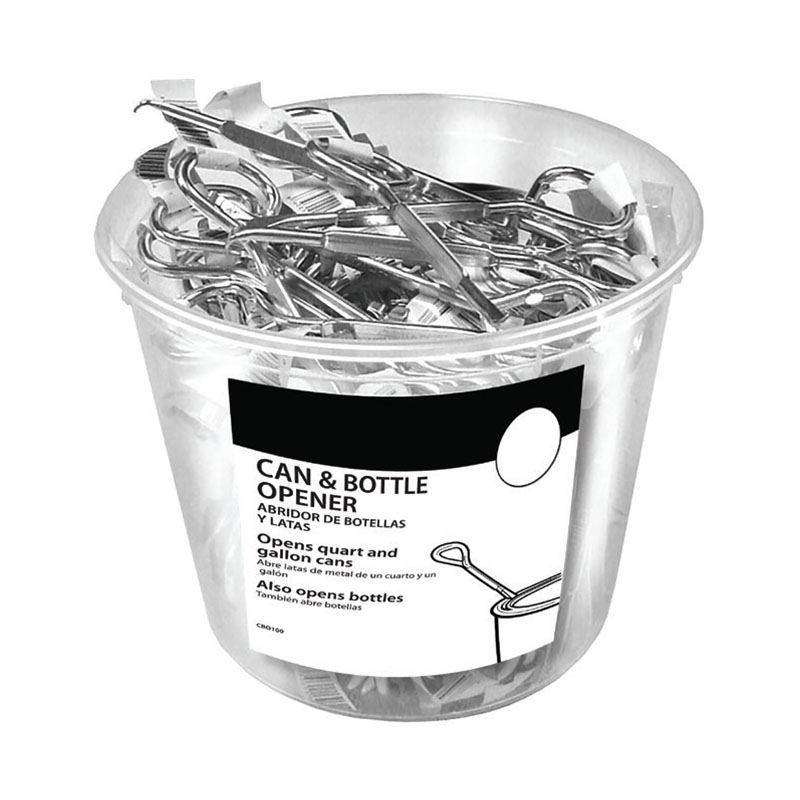
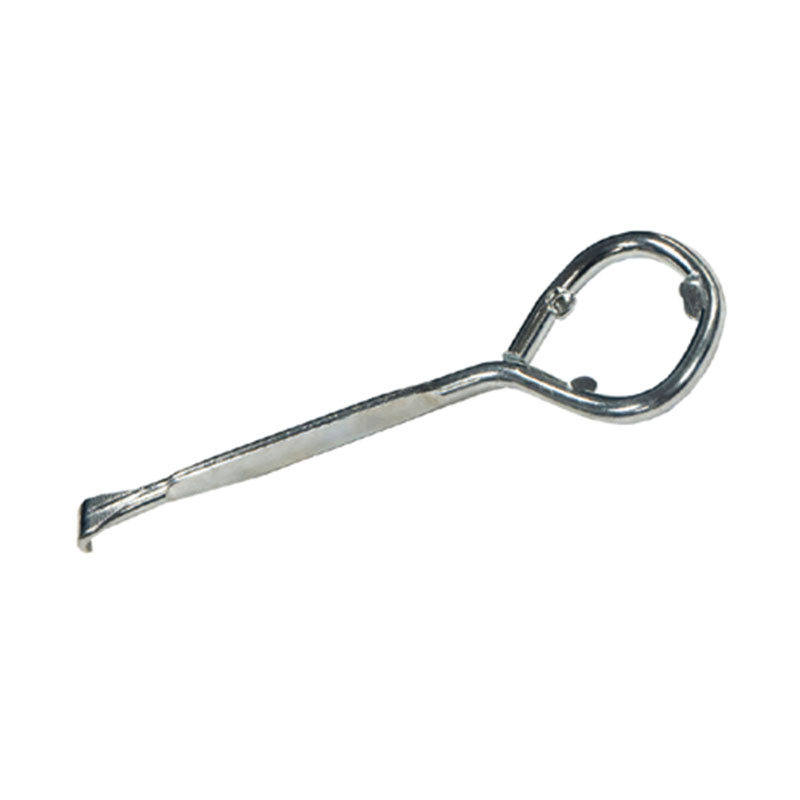
Can & Bottle Openers are the kind of tools people do not usually think about much—until they need one and cannot find it. They are used to open cans, lift bottle caps, handle pull-tab lids, and deal with all sorts of sealed containers in kitchens, restaurants, catering setups, and food-related workplaces.
From a B2B point of view, this is a pretty steady category. The products are easy to understand, easy to stock, and not hard to explain to end users. That is one reason wholesalers and distributors often keep them in broader kitchenware, hardware, or household product lines.
Some buyers still prefer a traditional Original Can Opener because it is familiar and does the job without any learning curve. Others go for a Multi Functional Bottle Opener, especially when they want one compact tool that can handle more than one task. Both have their place, depending on the market.
Raw Materials and Material Selection
Most Can & Bottle Openers are built from metal, and stainless steel is one of the most common choices.
Stainless steel is popular because it holds up well. It gives the tool strength, resists rust, and stays in better shape after repeated use and cleaning. That matters, especially for tools that spend a lot of time around food, moisture, and busy prep areas.
Carbon steel is also used in some models, usually where cost has to stay under control. It can work well, as long as the design and finishing are done properly.
Handles may be made from stainless steel, aluminum, plastic, rubber-coated material, or a mix of these. There is no single right answer here. It really depends on the target market, price level, and the way the opener will be used.
For buyers, material consistency matters just as much as the material itself. A good opener should feel solid in the hand and work smoothly every time. If the metal is uneven or the handle feels weak, people notice pretty fast.
Simple Production Process
The production process is not overly complicated, but the details still matter.
- First, the metal materials are prepared. Stainless steel or carbon steel sheets are cut and shaped according to the opener design. This forms the basic parts that will later become the handle, cutting mechanism, or bottle-opening section.
- Next, the individual components are stamped and formed. Depending on the product type, this may include cutting wheels, gears, hooks, levers, or cap-lifting parts. At this stage, accuracy matters because even a small deviation can affect how smoothly the opener works later.
- After that, the components are assembled. Rivets, pins, screws, or rotating mechanisms are added to connect the parts together. For a Multi Functional Bottle Opener, this is also where extra functions are incorporated into the design.
- Then the product goes through surface finishing. This may involve polishing, brushing, plating, or protective coating. Besides improving appearance, it helps protect the metal from corrosion and everyday wear.
- Finally, the finished opener is inspected before packing. Buyers usually expect basic checks for operation, assembly quality, surface condition, and overall consistency. Nothing overly technical—just making sure the tool opens cans and bottles the way it should.
Common Applications
One reason Can & Bottle Openers continue to sell well is that they fit into so many everyday situations.
In homes, they are used for canned food, soft drinks, bottles, and packaged products. Most people keep at least one in the kitchen, which is why consumer demand stays steady.
Restaurants, cafés, bars, and catering companies use them constantly. In those settings, the tool may be handled dozens of times a day, so durability becomes a real concern rather than just a nice extra.
An Original Can Opener is often the better fit in commercial kitchens because the design is simple and familiar. Staff can pick it up and use it without any fuss.
A Multi Functional Bottle Opener, on the other hand, often does better in retail, outdoor, gift, and travel markets. People like compact tools that can solve more than one problem.
You will also see these products sold through hardware stores, kitchenware distributors, supermarkets, online shops, and promotional channels. That broad reach is what makes the category useful for importers and wholesalers.
What Buyers Usually Care About
When sourcing Can & Bottle Openers, buyers usually keep their eyes on the practical stuff.
- Ease of use comes up first. A tool can look clean and polished, but if it feels awkward in the hand or does not open smoothly, it is not going to impress anyone.
- Durability matters too. The hinge, cutting part, and moving pieces all need to hold up after repeated use. If the opener gets loose quickly, the market will notice.
- Surface finish is another point buyers pay attention to. Rough edges, scratches, or uneven plating can make the product feel lower quality even if it still works.
- Weight and hand feel also matter more than many people expect. A lightweight opener can be handy, but if it feels too light, customers may assume it is cheap. There is a balance to strike.
- Packaging efficiency is something distributors and importers care about a lot. A product needs to ship well, store well, and still look good when it arrives. That is especially important for export orders.
- Consistency from one batch to the next is a big deal. Once a product starts moving well, buyers do not want surprises in the next shipment. Same size, same finish, same performance—that is what keeps things smooth.
Wholesale and Custom Services
Customization is very common in this category because a lot of buyers use Can & Bottle Openers as branded or promotional products.
Typical options include:
- Custom sizes and designs
- Logo engraving or laser marking
- Private label production
- Custom colors and handle materials
- Retail-ready packaging
- Gift box packaging
- Barcode labels
- OEM and ODM manufacturing
For distributors building their own line, branding can make a simple Original Can Opener feel like part of a broader kitchenware collection. A Multi Functional Bottle Opener can also work well as a practical gift item or a small promotional product.
Some buyers also want packaging that fits local retail shelves or e-commerce requirements. That kind of flexibility makes the product easier to move through different channels.
Summary
Can & Bottle Openers are simple tools, but they have a solid place in both everyday life and commercial supply chains. They are easy to understand, useful across many settings, and steady in demand.
For wholesalers, distributors, suppliers, and importers, the main things to watch are material quality, ease of use, durability, finish, and consistent production. Whether the market wants a traditional Original Can Opener or a more flexible Multi Functional Bottle Opener, reliable manufacturing and practical customization usually make the difference.