 sales@sanjiantools.com


 中文简体
中文简体 Deutsch
 Español
Why Do Industrial Blades Wear Out Too Quickly? Insights from Knife Blade Manufacturers
Industrial blades slit film, shear sheet materials and trim edges. When a blade goes blunt too soon, cuts become rough and the line loses time to blade changes. Replacing it gets production moving again, but the problem may return.
Blade wear depends on the workpiece, blade design, machine settings and maintenance. Knife blade manufacturers need to understand these conditions before recommending a product.
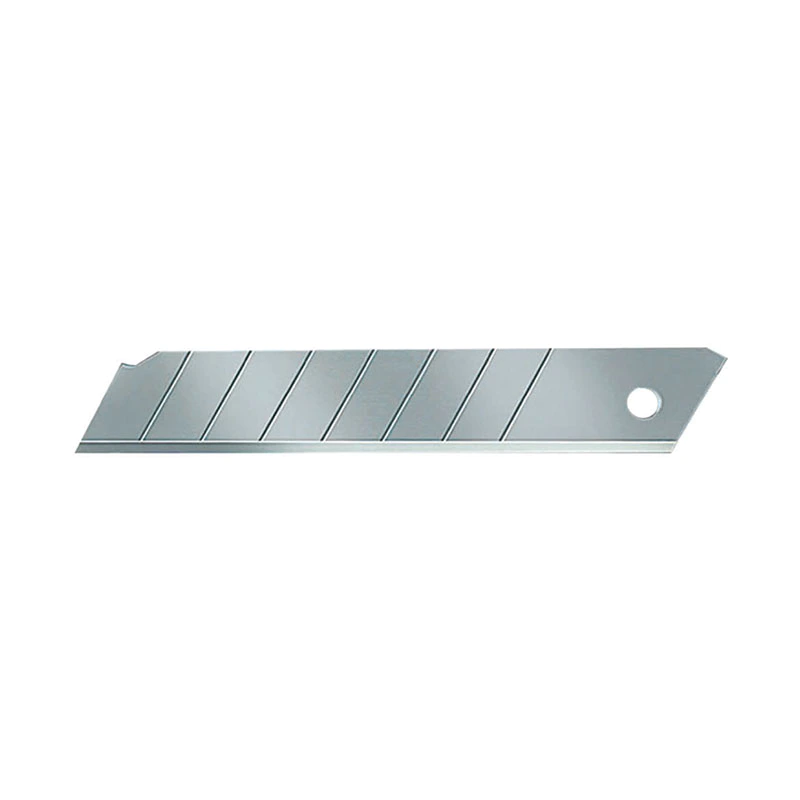
The Blade Material Doesn't Suit the Job
Tool steel is used for many industrial cutting tasks, stainless steel can help where corrosion is a concern, and tungsten carbide may suit abrasive materials. The choice needs to match the application.
A blade that's too soft may lose its edge or deform under load. One that's very hard but lacks toughness may chip when it hits a hard spot. Hardness isn't the whole story.
Consider the workpiece, its thickness, abrasive content and cutting speed. Share these details with knife blade manufacturers when asking for a recommendation. The aim is to balance wear resistance with the toughness the job requires.
Heat Treatment Can Shorten Blade Life
Suitable steel can still disappoint if its heat treatment is poorly controlled. Low hardness may cause the edge to round off or deform; excessive hardness can make it more likely to chip or crack under impact.
Heating, cooling, tempering and grinding all need proper control; too much heat during finishing can damage the edge. Ask suppliers how they check hardness and keep results consistent between batches, especially if similar blades have very different service lives.
The Edge Geometry Isn't Right
Edge angle, bevel and blade thickness affect cutting force. A narrow angle cuts with less resistance but leaves less material supporting the edge. That can be a problem under heavy loads. A larger angle adds support, though the machine may need more force.
A blade for thin-film slitting has different demands from one cutting thick rubber or composite sheets. If wear is still fast despite suitable material properties, check the edge profile and cutting clearance. Test any adjustment during normal production and compare both blade life and cut quality.
Speed and Heat Are Working Against the Blade
Higher cutting speeds can increase friction and temperature. Excessive pressure stresses the edge, while uneven feeding makes contact inconsistent. Heat may affect the edge or cause material to stick.
Compare current settings with those used when the blade lasted longer. Has the speed or feed rate changed? Is an operator applying more pressure to get through the material? A small process change may explain the problem better than the blade itself. Cooling or lubrication can help in some applications, but check the machine and material requirements before using either.
Abrasive Material or Contamination Wears the Edge
Mineral fillers in plastics, abrasive coatings and fibrous materials gradually wear a cutting edge. Recycling operations may also expose blades to hard objects. Workpieces may also vary between batches.
If blade life drops suddenly, compare the current material with earlier batches. Check for contaminants and changes in thickness, hardness or composition. A more wear-resistant blade may help, but it won't solve inconsistent feedstock on its own. Removing foreign objects and keeping incoming materials consistent are part of the fix.
Misalignment Causes Uneven Wear
A well-made blade can wear out early if installed incorrectly or used in a machine with worn parts. Misalignment concentrates force on one section of the edge. Loose holders, worn bearings, damaged mounting surfaces and incorrect clearance can cause similar problems.
Uneven cuts, vibration or one side of the blade going blunt much sooner are useful warning signs. Check the holder, fasteners, bearings and mounting surfaces, particularly after installation or maintenance. If wear is uneven, investigate alignment and pressure distribution before ordering a different blade grade.
Maintenance and Sharpening Matter
Moisture and residue may cause corrosion, while loose storage can nick an edge before use. Clean blades with a method suited to the material and store them so the cutting edges don't touch other tools or hard surfaces.
Sharpening needs care as well. Excessive grinding heat can affect the edge, and uneven material removal may change its profile. Follow the supplier's guidance on sharpening angles and dimensional limits. Check for cracks and deep chips before reuse; a badly damaged blade may need replacing rather than sharpening again.
Common Wear Patterns and What to Check
|
Observed condition |
Possible cause |
What to check |
|---|---|---|
|
Dull or rounded edge |
Abrasive wear or low hardness |
Material grade and operating conditions |
|
Chipped edge |
Impact or unstable cutting |
Toughness, alignment and cutting load |
|
Uneven wear |
Misalignment or uneven pressure |
Clearance, holder and feed consistency |
|
Heat discoloration |
Friction or grinding heat |
Machine settings and sharpening method |
These clues aren't a diagnosis by themselves. Compare the worn edge with machine settings and production records before making changes.
Give Knife Blade Manufacturers Useful Production Details
Suppliers can give more relevant advice when you explain the problem clearly. Share the workpiece material and dimensions, machine model, cutting method, blade specification and current service life. Photos can help show whether the edge is dull, chipped or wearing unevenly.
Ask how the supplier checks material quality, heat treatment, dimensions and the finished edge. Test a proposed specification under normal production conditions before changing every blade. Record operating hours, processed volume, sharpening frequency, scrap and downtime. These figures show whether the change pays off; a blade that costs more upfront may save money if it lasts longer and reduces stoppages.
Keep Blade Wear Under Control
When a blade wears out too quickly, don't assume the answer is simply a harder or more expensive product. Check the edge, review recent changes to materials or machine settings, and look at maintenance. Several small issues can combine to shorten service life.
Once the likely cause is clear, knife blade manufacturers can help match the blade to the job. Suitable materials, correct installation and regular care can reduce avoidable replacements and keep cut quality steady.

-
 +86-13906791151
-
 sales@sanjiantools.com
-
 No.1 Xinggong Road, Huangzhai Town, Pujiang County, Zhejiang Province, China


Client
Copyright © Zhejiang Pujiang Sanjian Tools Co., Ltd. All Rights  浙公网安备33072602100309号
Reserved.
浙公网安备33072602100309号
Reserved.

Construction Paint Tools Factory