 sales@sanjiantools.com


 中文简体
 Deutsch
 Español
Are Ergonomic Handles and Blade-Locking Features Important in a Retractable Safety Utility Knife?
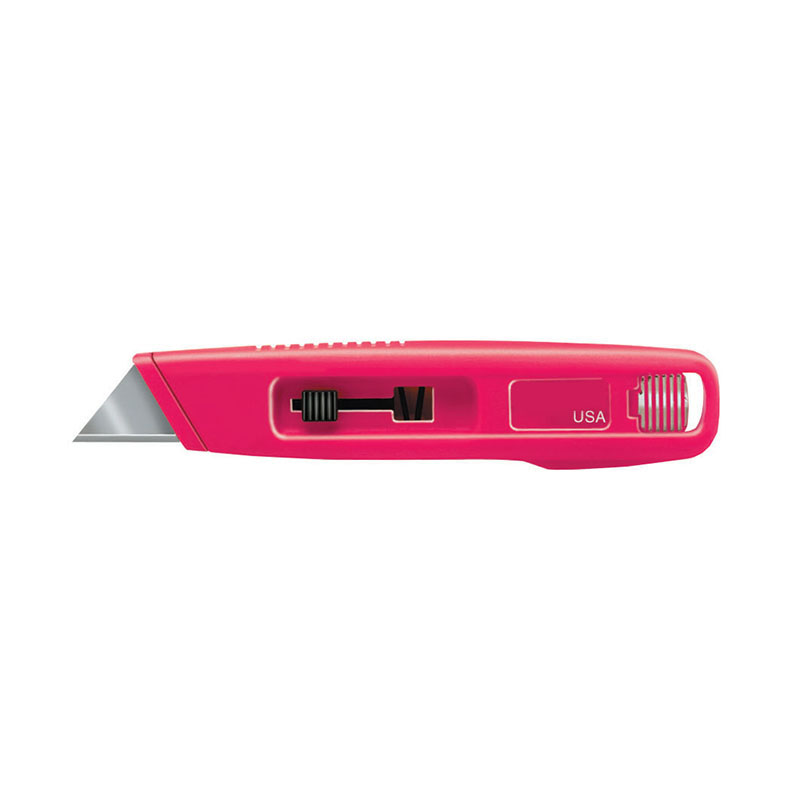
Retractable safety utility knives are everywhere—warehouses, factories, packaging lines, construction sites, distribution centers. People use them to open boxes, cut wrap, trim film, all that routine stuff. Looks simple. But a bad handle or a sketchy blade lock? That's how hands get tired and accidents happen. So yeah, ergonomic handles and solid blade-locking matter when you're picking a Retractable Safety Utility Knife. Handle design affects grip and control. The lock keeps the blade steady while cutting. Look at both, and you get better handling, safer work, less downtime.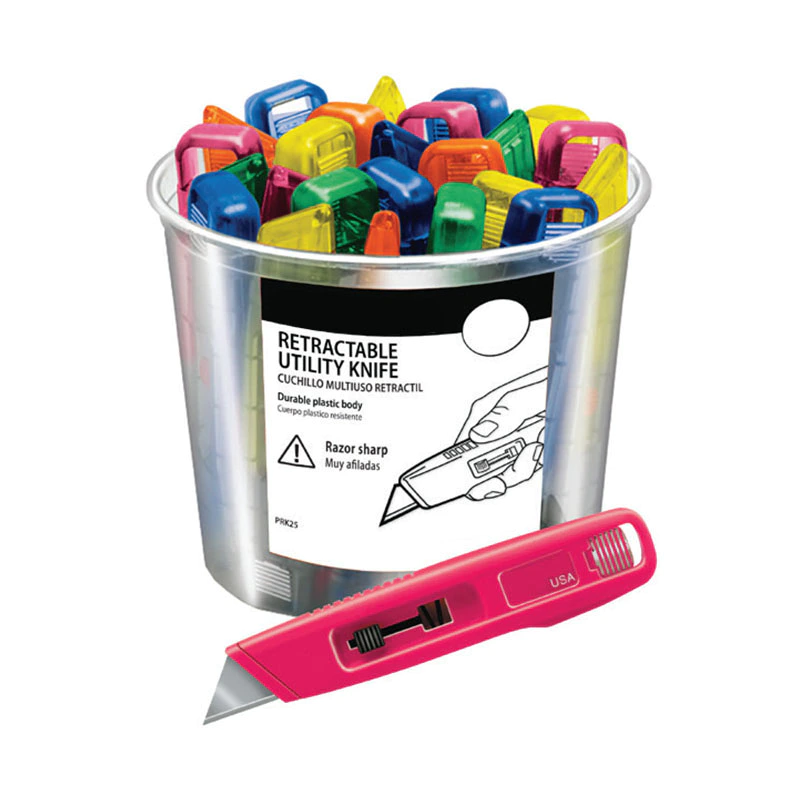
Why Does Handle Design Matter in a Retractable Safety Utility Knife?
An ergonomic handle fits your hand and helps you control the knife during repetitive work. Grip shape, texture, width, weight—all of it matters over a shift. Too narrow, too bulky, too slippery? You end up gripping harder. Do that for hours and your hand gets tired. Precision drops, especially when you're opening box after box. Useful features: contoured grips that follow your hand, non-slip surfaces for sweaty hands or gloves, balanced weight, comfortable dimensions, rounded edges that don't dig in. But ergonomics depend on the user, glove type, cutting direction, how long you're at it. Test comfort under real conditions. Don't just trust the product description.
How Do Blade-Locking Features Improve Cutting Safety?
Blade lock matters because the blade has to stay put while you cut. If it retracts on its own or shifts under pressure, you lose control. That's when people get hurt. Different knives use different mechanisms—manual slide locks, locking sliders, automatic retraction. They work differently. Manual lock: you extend the blade and set it. A good slider moves predictably and doesn't slip during normal cutting. Automatic retraction: blade pulls back when you release the control, depending on the model. Reduces exposed blade time. But it's not a cure-all. Look at blade stability, ease of use, manufacturer instructions. Check that the blade extends, locks, retracts reliably. If it sticks, slips, or acts up, pull it from service until fixed.
Which Features Should Buyers Compare Before Purchasing?
The right knife depends on what you're cutting, how often, where, and who's using it.
| Feature | Main benefit | What buyers should check |
|---|---|---|
| Ergonomic handle | Improves grip comfort and control | Shape, dimensions, texture, and glove compatibility |
| Blade lock | Helps prevent unintended blade movement | Lock engagement and stability during cutting |
| Automatic retraction | Can reduce the time the blade remains exposed | Retraction reliability and operating procedure |
| Blade replacement system | Simplifies routine maintenance | Ease of replacement and secure blade retention |
| Durable housing | Supports long-term use | Resistance to impact and workplace conditions |
| Blade depth adjustment | Controls cutting depth | Suitability for cartons, films, and other materials |
| Lanyard or storage features | Supports convenient handling and storage | Compatibility with workplace procedures |
Look at the whole design. A comfy handle doesn't help if you can't work the lock with gloves on.
How Should Different Industries Select a Suitable Utility Knife?
Different applications place different demands on handle ergonomics and blade control.
Warehousing and Packaging
People open dozens or hundreds of boxes a shift. Lightweight knife, comfortable grip, reliable blade control, easy replacement—that supports repetitive work and cuts hand strain. For corrugated cardboard, adjustable blade exposure helps avoid slicing what's inside.
Manufacturing and Assembly
Trimming film, cutting flexibles, removing protective covers. Consistent blade positioning and a secure grip matter near finished products. If workers handle different materials, pick blade types and depths for each task.
Construction and Maintenance
Gloves, dust, moisture, tougher conditions. Grip texture and durable housing help you keep control. Blade locks need to stay reliable despite regular use and contaminants. Inspect often. Repair or replace damaged mechanisms per workplace procedures.
What Maintenance Practices Help Preserve Safety Features?
Even a good knife needs inspection. Debris builds up around the blade channel. Sliders get sticky. Worn parts mess with blade control. Before use: check handle for cracks, blade for damage, locking and retraction for proper function. Replace dull or damaged blades per manufacturer procedure. Dull blade = more force = higher slip chance. Clean per instructions. Store with blade retracted or secured. Always cut away from your body. Keep free hand clear. Employers: provide training, set procedures for blade replacement and disposal. A safety mechanism only works if it's maintained and used right.
How Can Buyers Evaluate Overall Value and Long-Term Reliability?
Price alone doesn't tell you value. Look at blade replacement costs, handle durability, ease of maintenance, fit for the users. High-volume operations: a comfortable, easy-to-maintain knife cuts interruptions from frequent replacements or annoying blade changes. Let representative workers try it. They'll find practical issues specs won't show. Evaluate grip comfort, locking reliability, cutting performance, glove compatibility, replacement blade availability.
Choosing a Retractable Safety Utility Knife with ergonomic handles and dependable blade control helps support safer cutting and efficient daily operations. Regular inspections, proper training, task-specific selection—all equally important for consistent results.

-
 +86-13906791151
-
 sales@sanjiantools.com
-
 No.1 Xinggong Road, Huangzhai Town, Pujiang County, Zhejiang Province, China


Client
Copyright © Zhejiang Pujiang Sanjian Tools Co., Ltd. All Rights  浙公网安备33072602100309号
Reserved.

Construction Paint Tools Factory