CustomSpecialty knives

Specialty knives

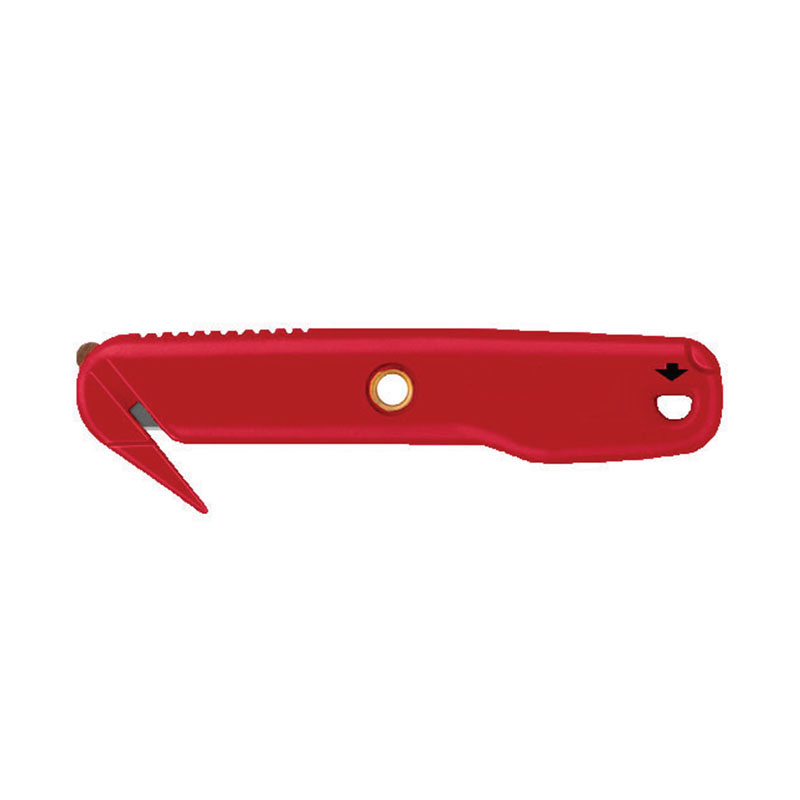
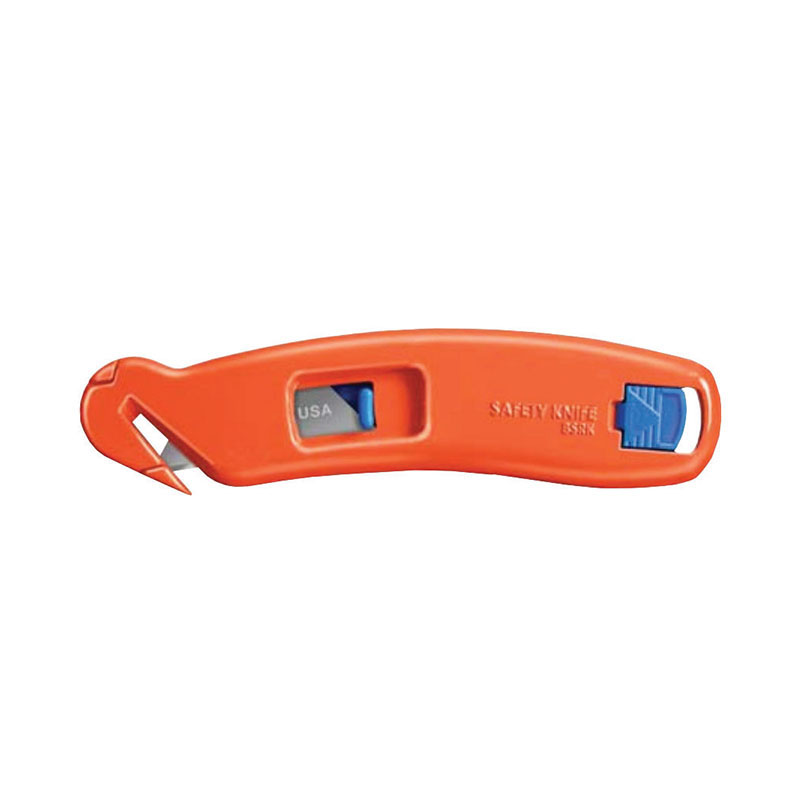
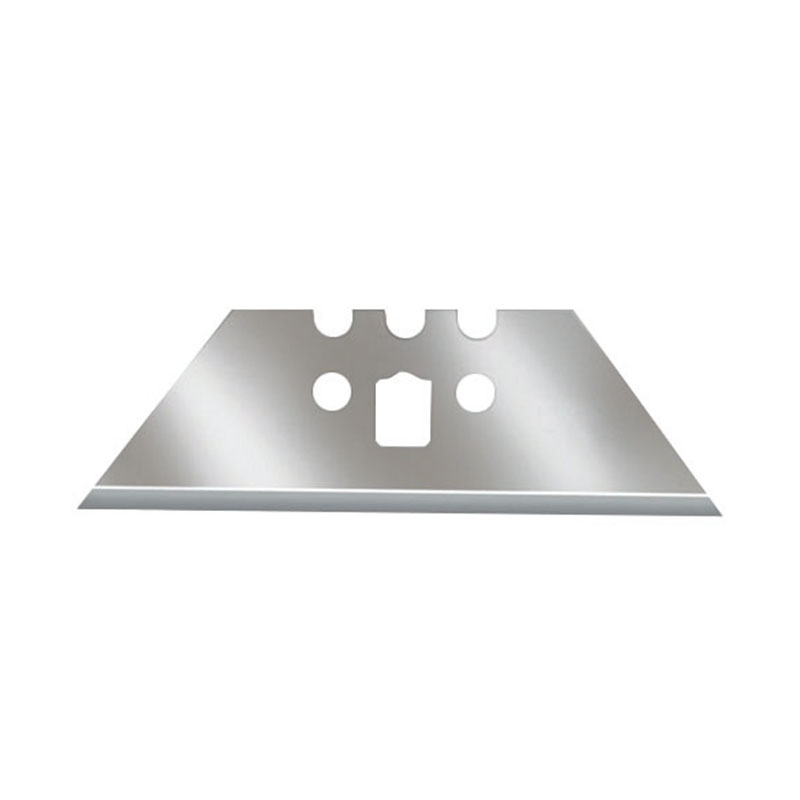
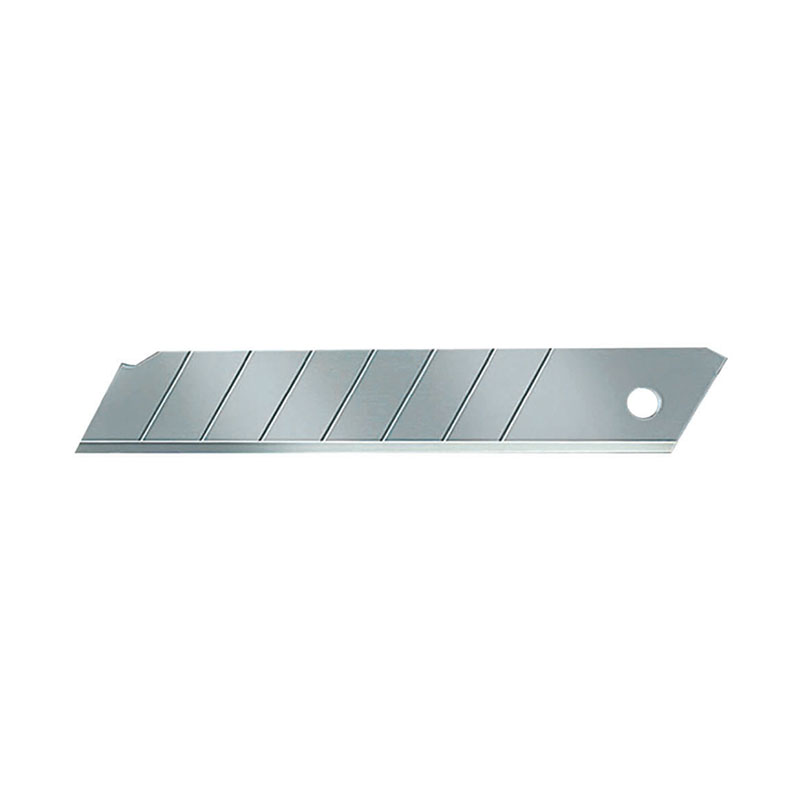
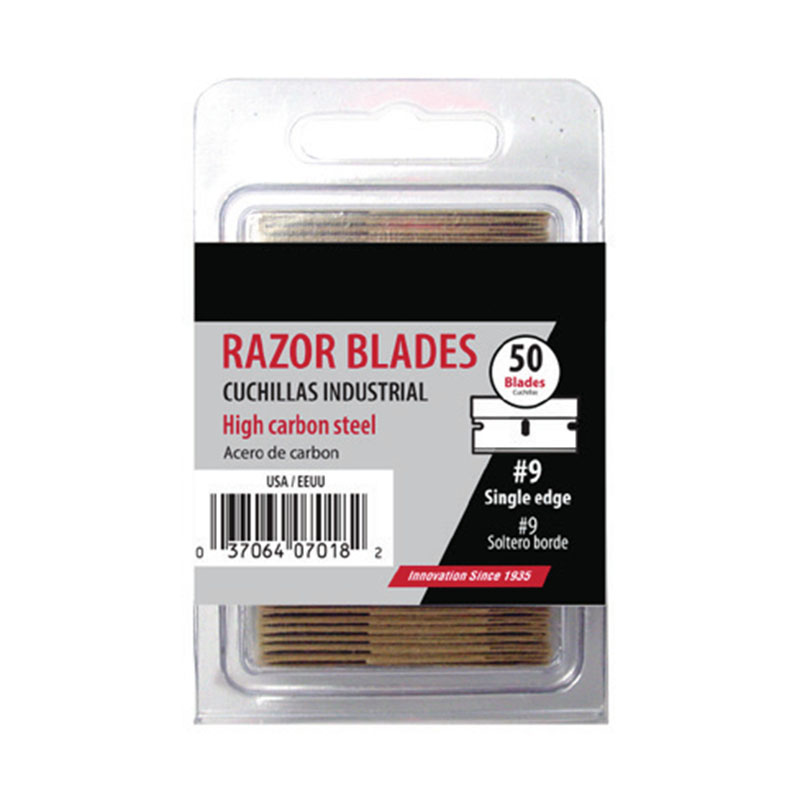
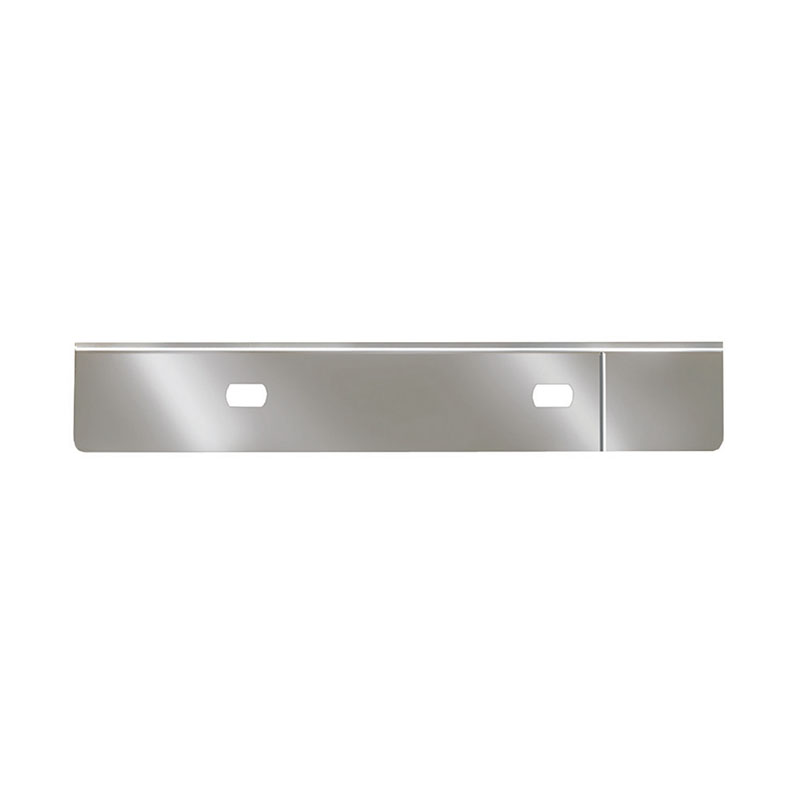
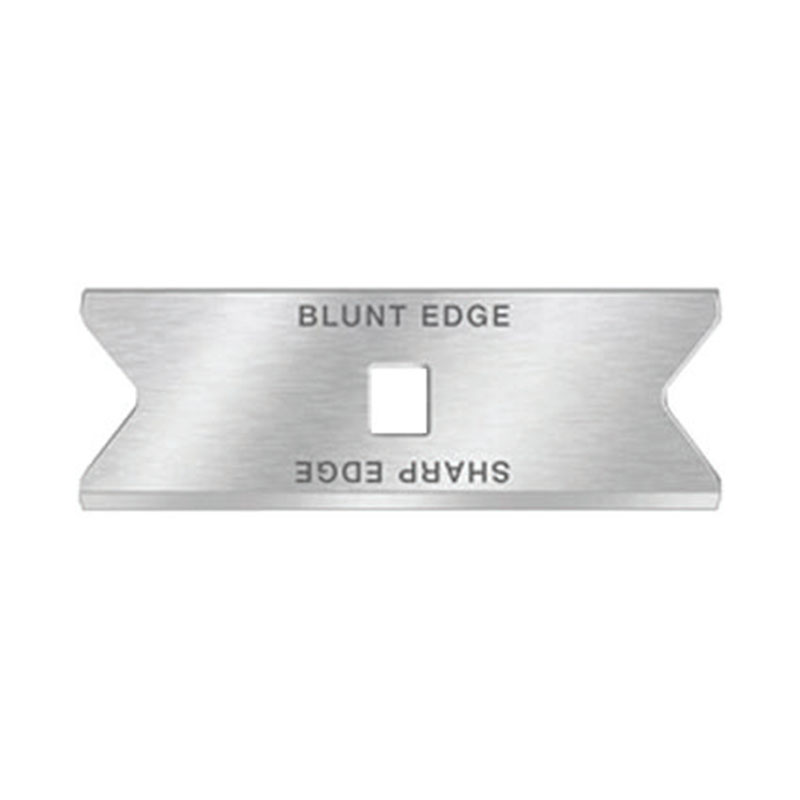
The Specialty Knives are designed for precise cutting, trimming, and material processing across a wide range of industrial and professional applications. Manufactured with durable blade materials, they provide consistent cutting performance and reliable operation in demanding work environments. As versatile Specialty Cutting Tools, they are suitable for handling various materials with accuracy and control. These Industrial Cutting Knives are widely used in manufacturing, packaging, construction, and maintenance tasks, offering practical functionality, durability, and efficient cutting performance.

contact us
  • Details
  • Specifications
  • Describe

What Are Specialty Knives?

Specialty Knives are cutting tools made for a specific job, not for every job. That is really the difference. A regular utility knife can do a bit of everything, but a specialty knife is usually designed with one clear task in mind—cutting a certain material, working in a certain industry, or handling a certain type of job more cleanly.

In practice, that might mean trimming packaging, scoring flooring, deburring edges, cutting foam or plastic, or handling more precise work in a workshop or production line. Some models are simple hand tools. Others are built for heavier industrial use and are expected to keep up with daily work without much drama.

For buyers, this category is useful because it covers a lot of ground. A wholesale customer may be looking at a few very different products, but they all fall under the same broad idea: tools that solve a specific cutting problem better than a general-purpose knife.

Raw Materials and Material Selection

The materials used in specialty knives depend a lot on what the knife is supposed to do.

The blade is usually made from carbon steel or stainless steel. Carbon steel is common because it gives a sharp edge and keeps costs reasonable. Stainless steel is often chosen when rust resistance matters, especially for tools used in damp environments or stored for long periods.

Some models use alloy steel or heat-treated steel to improve wear resistance. That can be a good fit for buyers who need the blade to hold up under more frequent use.

Handles are usually made from ABS, PP, aluminum, zinc alloy, or a mix of plastic and metal. A softer grip may be added if the tool is meant to be used for longer periods or by workers who need better control.

From a buyer's point of view, the important thing is not just the raw material itself. It is how the whole tool feels and performs once it is assembled. A blade can be sharp, but if the handle feels loose or the body does not sit right in the hand, the product loses value pretty quickly.

That is especially true in Industrial Cutting Knives, where reliability and user comfort usually matter more than how the knife looks in a photo.

Simple Production Process

The production process is fairly straightforward, but each step still affects the final result.

  • First, the blade material is cut and shaped to match the design. The cutting edge is formed based on the knife's intended use, and some blades may go through heat treatment to improve hardness and service life.
  • At the same time, the handle components are made. Plastic handles are usually injection molded, while metal handles may be stamped, machined, or cast depending on the design.
  • After that, the blade and handle are assembled together. Some knives use fixed blades, while others include locking systems or blade replacement features. The connection needs to be secure either way. Nobody wants a knife that feels loose in the middle of use.
  • Once assembled, the knives go through finishing and inspection. Workers usually check the blade alignment, handle fit, edge condition, and overall appearance. It is not a complicated process, but the details matter. A tool like this needs to feel dependable right away.
  • Finally, the finished knives are packed for shipment. Since these are sharp tools, packaging needs to protect both the product and the people handling it.

Common Applications

Specialty knives are used in a lot of industries, which is part of why they stay in steady demand.

In construction and renovation work, they are used for trimming materials, cutting flooring, scraping, and handling finishing tasks that need a bit more control than a standard knife can offer.

In manufacturing, Industrial Cutting Knives are often used for packaging, foam, rubber, plastic film, insulation, and similar materials. Different plants use them in different ways, but the main idea is always the same: make the cutting work cleaner and faster.

Warehouses and logistics teams also use these knives every day for opening cartons, cutting tape, and preparing products for shipping.

Maintenance crews and repair teams use them too, especially where a standard knife is not quite the right fit. Some Specialty Cutting Tools are built for precision work, while others are meant for tougher industrial tasks. Either way, they help workers avoid wasting time with the wrong tool.

What Buyers Usually Care About

When buyers source specialty knives, they usually focus on practical things first.

  • Cutting performance is the obvious starting point. The blade has to do its job cleanly and without too much force. If it feels dull right out of the box, that is a bad sign.
  • Blade durability is another one. Buyers do not expect the blade to last forever, but they do expect it to hold up for the intended use. A tool that wears out too quickly is hard to sell twice.
  • Handle feel matters more than people sometimes think. A knife used all day should feel secure and comfortable in the hand. If the grip is awkward, users notice that pretty fast.
  • Safety features are also part of the conversation now. Buyers often look for locking systems, blade guards, or blade retention designs that make the tool safer to use and store.
  • Packaging is worth paying attention to as well. Sharp tools need to arrive in decent shape. Poor packaging can lead to damage, complaints, or both.
  • Product fit for the target market is another key point. A buyer supplying a construction market may want a different model from someone serving packaging or retail customers. The right knife depends on who is actually going to use it.

Wholesale and Custom Services

This is a product category where customization is quite common.

Manufacturers can often adjust blade shape, handle material, size, and finish depending on the customer's market. Some buyers want compact knives for general use. Others need more specialized versions for industrial work.

OEM and ODM services are widely available. That may include logo printing, private label packaging, barcode labels, or custom cartons. For distributors, those small details can make a big difference because they help build a cleaner product line.

Packaging can also be adjusted for different sales channels. Some customers want simple bulk cartons for industrial supply. Others need retail-ready packaging for hardware stores or online sales.

A supplier that can handle custom requests without making things difficult usually has a better chance of keeping repeat business. That is especially true for Specialty Cutting Tools, where buyers often need products that fit a very specific use case.

Summary

Specialty Knives are not one-size-fits-all tools, and that is exactly why they matter. They are built for specific cutting jobs and show up in construction, manufacturing, packaging, maintenance, and industrial supply markets.

For wholesalers, distributors, suppliers, and importers, the main points are usually pretty clear: good blade quality, a comfortable and reliable handle, safe packaging, and enough flexibility to match the target market. Whether sold as Specialty Cutting Tools or Industrial Cutting Knives, the best products are the ones that do the job properly, feel solid in use, and stay consistent from one order to the next.

  • Certification
  • IS09001:2008

    IS09001:2008

  • IS09001:2008

    IS09001:2008

  • Jinhua famous brand products

    Jinhua famous brand products

Zhejiang Pujiang Sanjian  Tools Co., Ltd.

About Us

Zhejiang Pujiang Sanjian Tools Co., Ltd. was founded in 1992. It is a company integrating product development, design, production, sales and trade. In the process of its continuous development and growth, it has successively established "Zhejiang Pujiang Sanjian Import and Export Co., Ltd." and "Sanjian Brush Co., Ltd.". The company has the right to import and export on its own, specializing in the production of various types of Custom Specialty Cutting Tools Supplier and Wholesale Industrial Cutting Knives Company. It is a supplier of Wal-Mart and Home Depot in the United States. The company is located in Zhongshan Special Industrial Park, Pujiang County, Zhejiang Province, covering an area of ​​20,000 square meters. It is located at the Pujiang entrance of Hangjinqu Expressway, 6 kilometers away from Yiwu Airport, and the transportation is Intensely convenient. The company has a deep corporate culture, ISO9001 quality system management, scientific production control, superb after-sales service, systematic brand support and reasonable sales layout, so that the company's various economic indicators rank first in the domestic industry. The company's consistent business philosophy: to achieve sustainable operation with customer satisfaction, employee satisfaction and business satisfaction. Innovative quality, guaranteed delivery, affordable prices, improved productivity to enhance product competitiveness, and committed to never-ending product innovation, moving towards diversified international operations is our eternal goal.