 sales@sanjiantools.com


 中文简体
中文简体 Deutsch
 Español
Which Industrial Painting Tools Are Suitable For Wall And Metal Work
Wall and metal surfaces may both receive paint, although their working conditions are quite different. A wall can have a porous, rough, repaired, or textured surface, while metal may be smooth, curved, coated, or affected by rust and loose material. Tool selection needs to reflect those differences rather than treating every surface in the same way.
A broad wall often allows a roller to move across a large area with steady pressure. Corners, narrow edges, and repaired sections call for more controlled handling, where a brush or smaller tool can reach areas that a roller cannot cover neatly.
Metal work tends to involve more preparation. Old coating, surface residue, grease, and corrosion may need attention before a new layer is applied. Scrapers, brushes, and abrasive tools can therefore become important before painting even begins.
Surface condition also changes during a job. A newly repaired wall may need filling and smoothing, while an older metal panel may need loose coating removed before any paint is applied. Good tool selection starts with a simple question: what does the surface need at the current stage?
What Tools Are Commonly Used for Wall Painting
Wall painting usually involves a combination of preparation and application tools rather than one item throughout the entire task. Large flat areas can be handled with rollers, while brushes offer greater control around corners, edges, frames, and narrow sections.
Rollers are useful when paint needs to cover a broad surface without leaving the type of marks that may appear from repeated brush strokes. Roller texture should match the wall condition. A smoother wall generally needs a different roller surface from a wall with visible texture.
Brushes remain useful for detailed work. Areas around switches, trim, corners, joints, and other narrow sections often require careful application because a larger tool cannot reach them easily.
Preparation tools have another role. Scrapers can remove loose material, while putty knives can spread filler over small holes, joints, cracks, and uneven sections. Surface preparation may seem separate from painting, yet it has a direct effect on how the later coating sits.
For Industrial Painting Tools, separating preparation tools from application tools can make the work easier to organize. A scraper should not be expected to perform the same task as a roller, and a small brush should not be used to cover an entire wall simply because it is available.
How Does a Drywall Putty Knife Set Help With Wall Preparation
Wall preparation often begins before any paint reaches the surface. Small dents, holes, joints, and uneven areas can remain visible after painting when they have not been properly filled or smoothed.
A Drywall Putty Knife Set can provide several blade widths for different sections of a wall. A narrower blade can handle a small damaged area with more control, while a wider blade can spread filler across a broader section and help reduce visible edges.
Blade flexibility also matters. A rigid edge may work well when firm pressure is needed, while a slightly flexible blade can help spread filler across a wider area. Handle comfort becomes relevant during repeated preparation work because uneven pressure can leave ridges in the filler.
A practical wall preparation sequence may involve:
- Removing loose material around the damaged area
- Cleaning away dust
- Applying filler with a suitable blade
- Allowing the material to settle according to its instructions
- Smoothing raised edges
- Removing remaining dust before painting
Tool width should follow the repair rather than personal habit. A very wide blade may be awkward around a small hole, while a narrow blade can require repeated passes across a broad repaired area.
A clean blade also matters. Dried filler along the working edge can create lines in fresh material, making a smooth surface harder to achieve. Cleaning after use keeps the edge suitable for later preparation work.
Which Tools Help Prepare Metal Surfaces
Metal preparation can require more attention because paint needs a clean and stable surface for proper application. Loose coating, rust, grease, dirt, and other residue can interfere with the new layer.
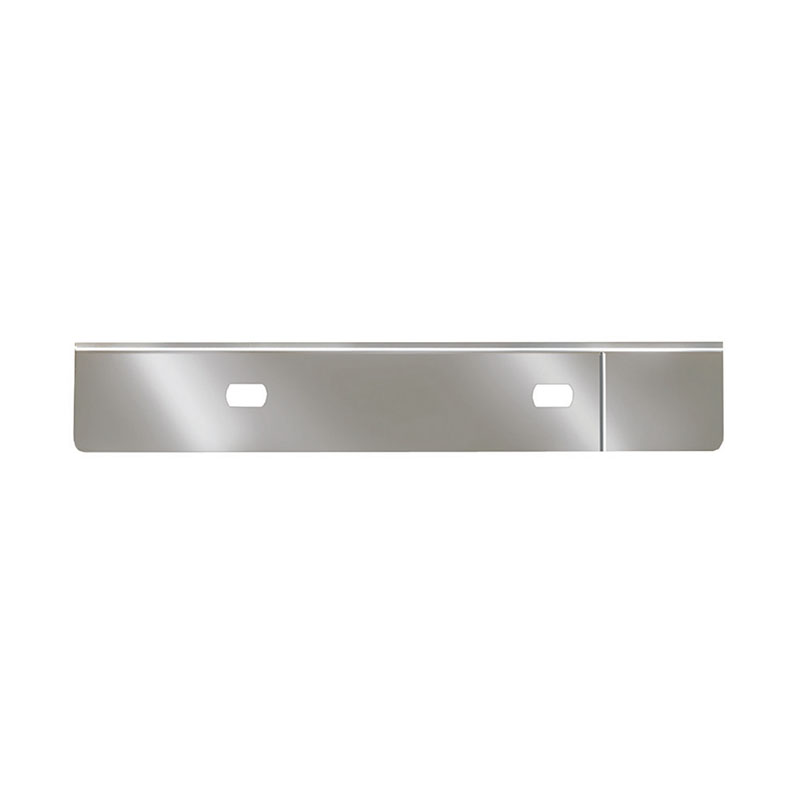
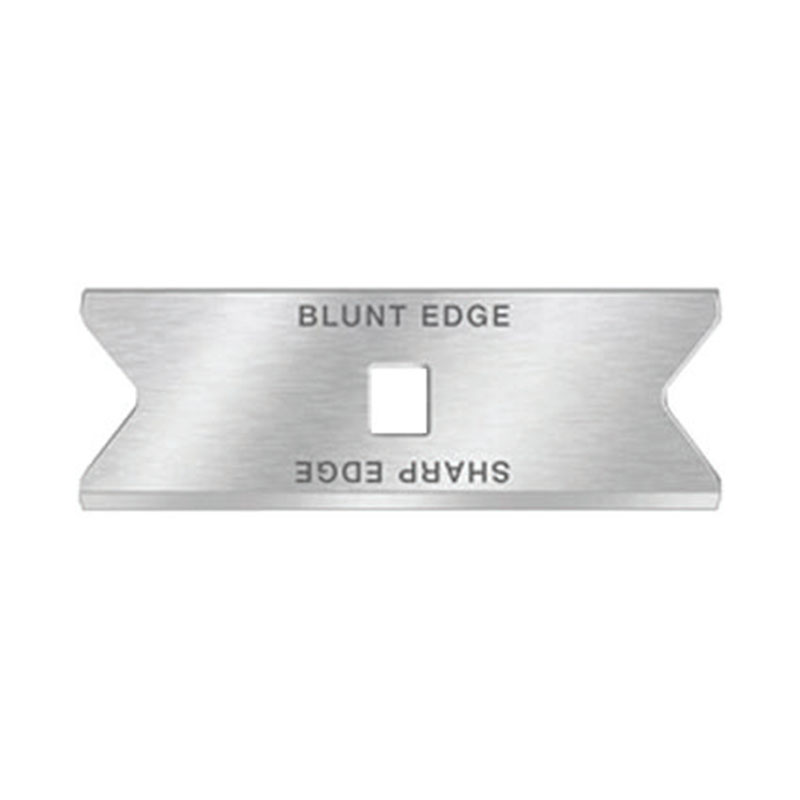
Scrapers are useful where old paint has already lifted from the surface. A firm edge can separate loose material without requiring unnecessary force. Areas that remain firmly attached may need another preparation method rather than repeated scraping.
Wire brushes can help remove loose corrosion and surface residue from metal. Their shape makes them useful around edges, joints, and sections where a flat scraper cannot reach comfortably.
Abrasive tools can also change the surface condition by removing rough areas and creating a more suitable texture for later coating. Choice should depend on the metal condition and the coating system being used, since excessive abrasion can alter the surface unnecessarily.
Cleaning remains part of preparation. Removing visible debris is not enough when grease or other residue remains. Metal surfaces should be treated according to the coating manufacturer's preparation instructions before paint is applied.
How Do Brushes and Rollers Differ Across Wall and Metal Work
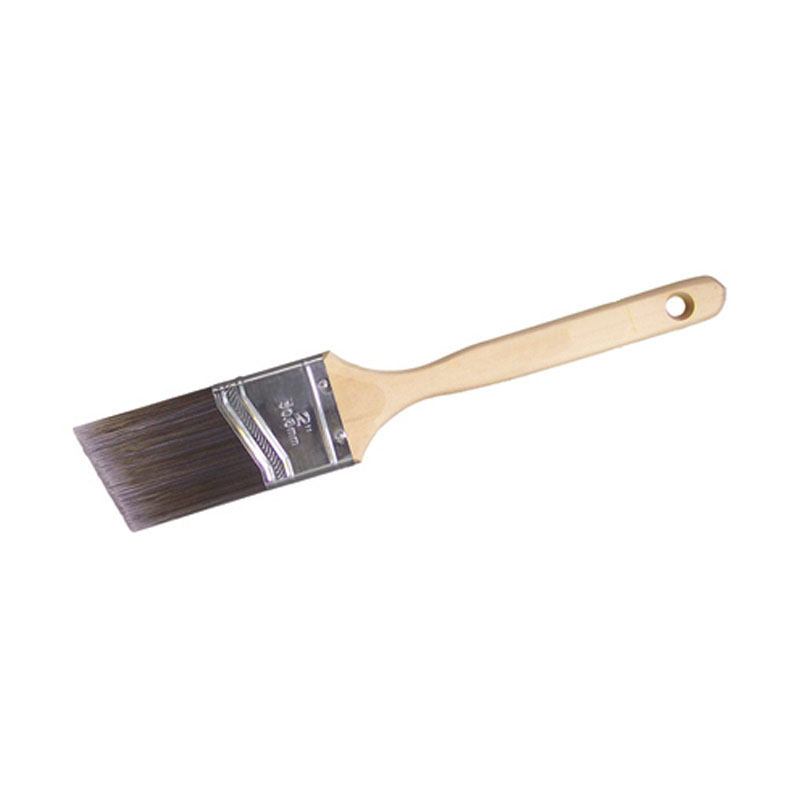
Brushes and rollers both apply paint, although their movement and surface contact are different. A roller spreads material through a broader contact area, making it practical for large flat walls. A brush offers more control around edges and narrow sections, where precise placement matters.
Metal surfaces introduce additional variations. A flat panel may accept a roller comfortably, while a narrow frame, pipe-like section, corner, or irregular structure may require a brush. Curved surfaces can also change how pressure should be applied.
| Surface Condition | Useful Tool Type | Main Purpose |
|---|---|---|
| Broad smooth wall | Roller | Spread paint across a large area |
| Textured wall | Suitable textured roller | Reach surface variations |
| Wall corner | Brush | Control paint near edges |
| Small repaired area | Putty knife | Spread and smooth filler |
| Flat metal panel | Roller or brush | Apply coating across accessible areas |
| Irregular metal section | Brush | Reach narrow or shaped surfaces |
| Loose metal coating | Scraper | Remove unstable material |
| Corroded metal area | Wire brush | Clear loose corrosion and residue |
Tool choice should follow the surface rather than forcing a particular method onto every job. A roller may save effort across a broad panel, while a brush can prevent unnecessary paint from reaching nearby areas.
What Role Do Scrapers Play in Industrial Painting
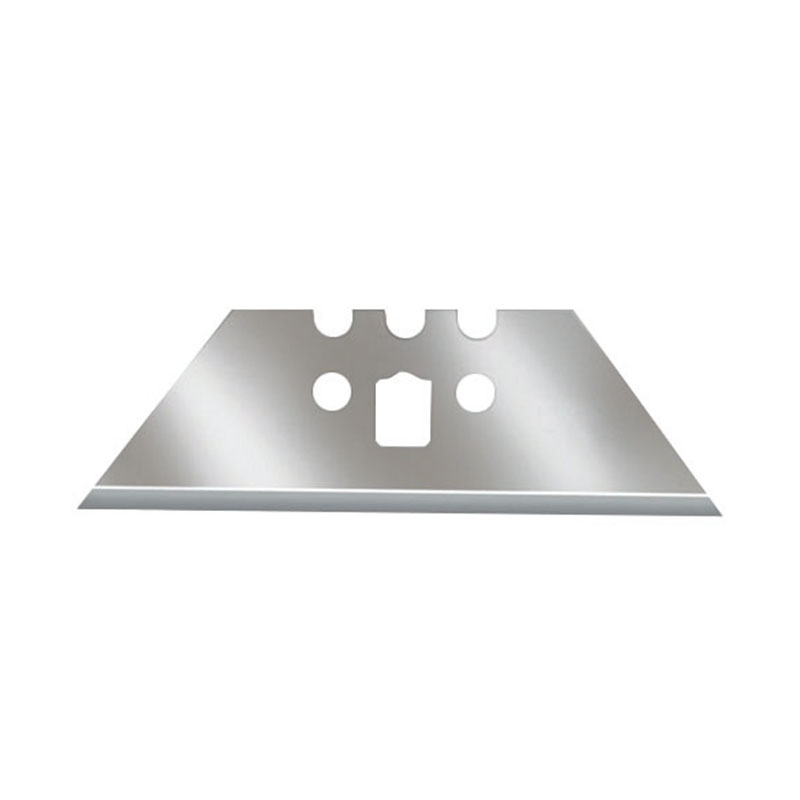
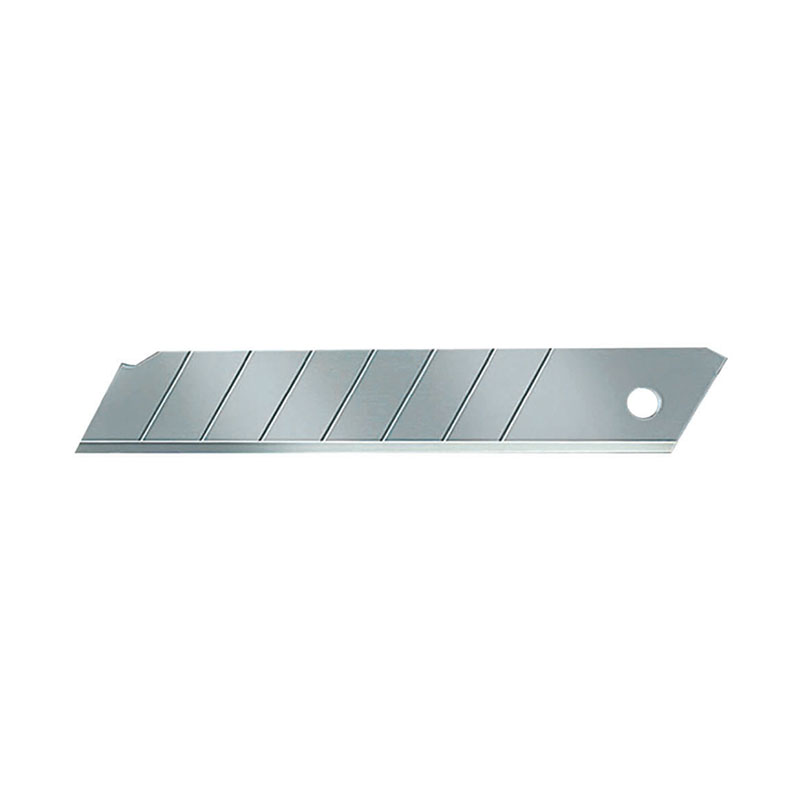
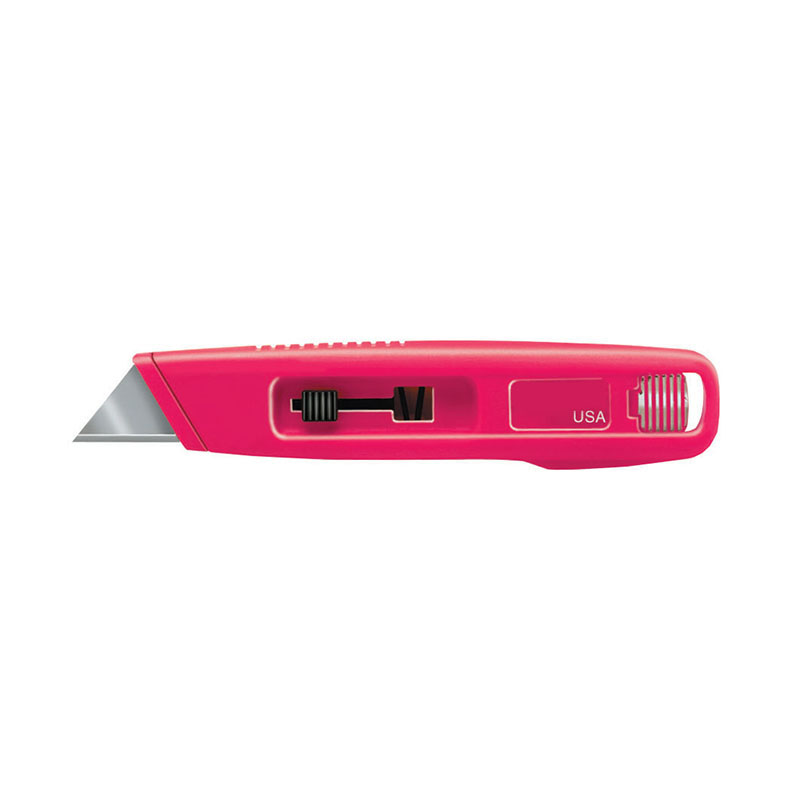
Scrapers are preparation tools rather than simple cleanup accessories. A sharp, suitable edge can remove loose paint, dried material, and surface irregularities before a new coating is applied.
On drywall, pressure needs to remain controlled because excessive force can damage the surface below. Metal allows firmer handling in some situations, although the condition of the existing surface still determines how much pressure is appropriate.
Scraper shape also affects access. A wide blade can cover a broad section, while a narrow edge may reach corners or small damaged areas more easily.
Cleaning the scraper after use helps maintain a usable edge. Hardened filler or paint can interfere with later work, leaving unwanted lines or making the tool harder to control.
Scrapers should not replace every other preparation method. Firmly attached coating, embedded corrosion, or surface contamination may require another approach. Choosing the tool according to the actual problem helps prevent unnecessary surface damage.
How Should Tools Be Chosen for Smooth and Uneven Walls
Wall texture has a direct effect on how paint spreads across a surface. A smooth wall usually allows a roller to move with steady contact, while a textured wall has raised areas and shallow gaps that require a tool capable of reaching both.
Roller texture should therefore match the wall rather than being selected only by convenience. A tool with a suitable surface can carry paint into small variations without requiring repeated pressure. Too much pressure may flatten the roller surface against the wall and create uneven coverage.
Brushes have a different advantage around detailed areas. Corners, joints, repaired sections, and narrow strips can be difficult to reach with a roller, especially where another surface needs protection from accidental paint contact.
Preparation also affects tool choice. A wall with old loose paint needs scraping before fresh coating is considered. A repaired area may need a putty knife and light smoothing before a roller is brought back into use.
A simple approach is to separate wall work into three stages:
- Preparation: remove loose material and repair uneven areas
- Application: use a roller or brush according to surface size and texture
- Detail work: return to narrow edges and small sections with a controlled tool
Keeping those stages separate can reduce unnecessary tool changes during active painting.
Which Tools Are Suitable for Metal Edges and Irregular Shapes
Metal structures rarely consist entirely of broad, flat panels. Frames, corners, narrow strips, brackets, joints, and curved sections can make paint application less straightforward.
A small or medium brush can provide better control around narrow edges. Brush movement can follow the shape of a metal section without forcing a broad tool into an unsuitable space. Pressure should remain light enough to prevent excessive paint from collecting around corners.
Scrapers have a role before painting rather than during coating application. Loose paint and unstable surface material should be removed before a new layer is added. A scraper with a suitable working edge can reach relatively flat areas, while a smaller tool may be easier to handle around restricted sections.
Wire brushes can assist with loose corrosion and residue. Care is needed around surfaces that could be scratched or damaged easily, since aggressive handling can create marks that later require additional preparation.
Tool shape should follow the geometry of the work. A broad roller may be practical for a large metal panel, while a brush becomes easier to control around a narrow frame. Using separate tools for different sections can also prevent excessive coating buildup.
How Does Surface Preparation Affect Painting Results
Paint application cannot fully correct a surface that has not been prepared properly. Dust, grease, loose coating, corrosion, and raised filler can remain visible beneath a fresh layer or interfere with how the coating sits.
Wall preparation often focuses on smoothing. Small holes and damaged sections may need filler before the surrounding wall is painted. A Drywall Putty Knife Set can help spread filler and remove excess material, allowing repaired areas to transition more naturally into the surrounding wall.
Metal preparation follows a different path. Loose coating needs removal, while corrosion and residue may require brushing, scraping, or another suitable cleaning method. Grease can also remain on metal after visible dirt has been removed, making appropriate cleaning an important part of preparation.
A useful check before painting is simple:
- Is loose material gone?
- Is dust or residue still present?
- Are repaired sections reasonably smooth?
- Has the surface dried as required?
- Are edges and corners ready for coating?
Skipping preparation can create problems later, including peeling, visible marks, uneven texture, or poor contact between the surface and fresh paint.
What Common Tool Selection Mistakes Affect Industrial Painting
Tool selection problems often come from using a familiar item for a task that requires a different approach. A roller may seem convenient for every broad surface, although narrow metal sections can become difficult to control with it.
Another common issue involves using a scraper with too much force. Wall materials can be softer than metal, so aggressive scraping may create new damage that requires additional filling and smoothing.
Some practical mistakes include:
- Using a coarse preparation tool on a delicate wall
- Applying paint with a large tool around narrow metal edges
- Using a small brush across a broad surface
- Leaving dried paint on a roller or brush
- Applying fresh coating over loose material
- Reusing a dirty tool between different coating tasks
- Ignoring damaged or bent scraper edges
Tool cleanliness deserves particular attention when moving between preparation and painting. Dried filler, old paint, and dust can transfer onto a freshly prepared surface and create marks that are difficult to correct.
A suitable tool should make the intended task easier to control. When a tool requires excessive pressure, repeated passes, or awkward movement, another option may be more appropriate.
How Can Industrial Painting Tools Be Maintained
Maintenance starts immediately after use. Wet paint, filler, and other materials become harder to remove once they dry, so cleaning tools soon after a task can reduce buildup around working edges and brush fibers.
Scrapers should be checked for bent or damaged edges. A damaged edge can leave grooves while spreading filler or scraping a surface. Brushes need attention around their working fibers, where dried coating can make later application uneven.
Rollers also need proper cleaning and drying when they are intended for reuse. Remaining paint can harden within the roller surface and change how material is transferred during another job.
Storage conditions matter as well. Tools should be kept clean and dry, with working edges protected from impact. A putty knife stored loosely with heavy equipment may become bent, while brush fibers can lose their shape when compressed for long periods.
A simple care routine can include:
- Remove wet material after use
- Wash or clean tools according to the coating material
- Dry tools before storage
- Inspect working edges and handles
- Keep brushes and rollers from being crushed
- Separate clean tools from tools waiting for cleaning
Regular care helps preserve predictable handling, which is useful when a task requires consistent pressure and movement.
How Can Wall and Metal Painting Tasks Be Organized More Efficiently
Organizing tools around the actual work stages can make a painting area easier to manage. Preparation tools can be kept together, while brushes and rollers used for coating application remain ready for their own tasks.
For wall work, a practical group may include a scraper, Drywall Putty Knife Set, sanding or smoothing tools, rollers, and brushes. Metal preparation may call for scrapers, wire brushes, cleaning tools, and application brushes suited to the shape of the material.
Tool size should also match the work area. A wide blade can cover a broad repaired section, while a narrow blade provides better control around a small damaged area. Similar thinking applies to brushes and rollers.
Industrial Painting Tools are easier to select when the surface, condition, and task are considered together. A useful sequence is to identify the material, inspect its condition, decide whether preparation is required, and then select the application tool.
Such planning can reduce unnecessary switching during work and lower the chance of using an unsuitable tool simply because it happens to be nearby.
For mixed wall and metal projects, separating tools by material can also help prevent unwanted transfer of dust, filler, corrosion residue, or old coating. Clean working equipment supports cleaner preparation, while suitable application tools make it easier to control paint around broad surfaces, corners, edges, and irregular sections.

-
 +86-13906791151
-
 sales@sanjiantools.com
-
 No.1 Xinggong Road, Huangzhai Town, Pujiang County, Zhejiang Province, China


Client
Copyright © Zhejiang Pujiang Sanjian Tools Co., Ltd. All Rights  浙公网安备33072602100309号
Reserved.
浙公网安备33072602100309号
Reserved.

Construction Paint Tools Factory