 sales@sanjiantools.com


 中文简体
中文简体 Deutsch
 Español
Why Hard Bristle Floor Brush Is Suitable For Rough Surface Cleaning
Floor cleaning really shifts depending on what the surface actually looks like underneath. Smooth floors let dirt lift away with barely any effort, but rough surfaces are a different story entirely — small particles wedge themselves into uneven areas and just sit there, resisting anything short of real contact. Dust, mud, residue, whatever's tracked in — it all finds its way into surface texture, and once that happens, simple wiping stops doing much of anything.
Rough floors turn up constantly in outdoor spaces, workshops, storage areas, anywhere heavy foot or equipment traffic runs through regularly. Keep using a space like that day after day, and dirt works its way into small gaps faster than ordinary cleaning can keep up with. What's really needed is a tool that holds contact with the surface even as it moves across all that unevenness.
Brush structure ties directly into how well cleaning actually works. Softer fibers give a gentler touch, while firmer bristles dig in and interact more forcefully with textured surfaces. Picking the right brush really comes down to floor condition, what kind of residue is involved, and how often cleaning happens in that space.
A Hard Bristle Floor Brush tends to be the go‑to for rough surface maintenance, since firm bristles can actually reach into spots where loose dirt likes to hide. That structure lets the brush keep working across uneven ground, clearing out material that ordinary sweeping just glances over.
A handful of things shape the final cleaning result:
- Surface texture and depth
- Type of residue present
- Brush contact area
- Cleaning movement method
- Frequency of maintenance
Bristle firmness alone doesn't tell the whole story, though. How the tool and the surface actually interact is what determines whether cleaning reaches hidden dirt while still treating the surface with reasonable care.
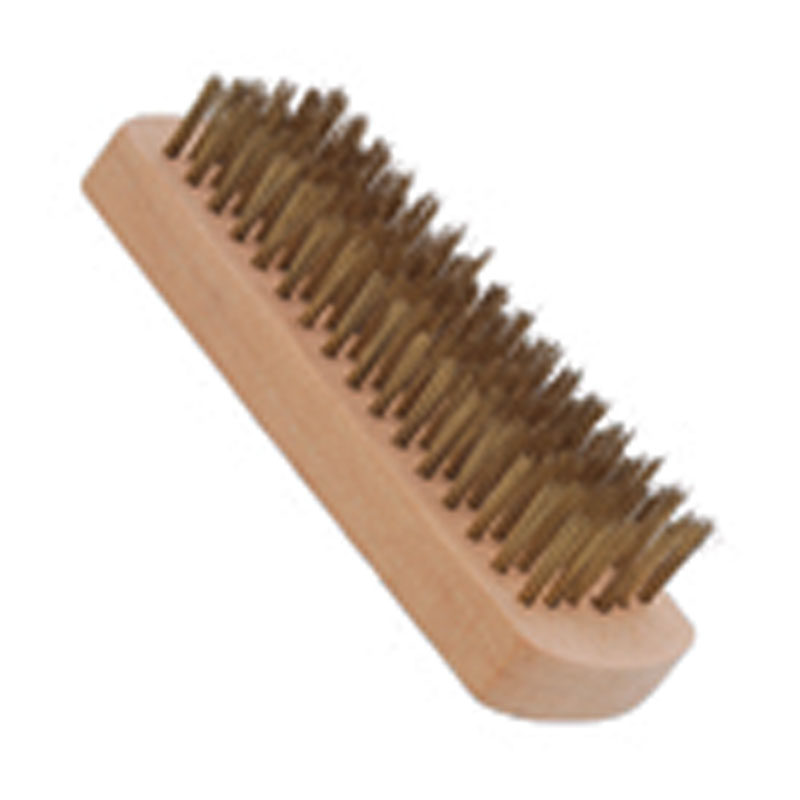
How Does Brush Bristle Structure Affect Cleaning Performance?
Bristle design really shapes how a brush behaves across different floor conditions. Firmer fibers hold up better against rough terrain, letting the brush push through uneven sections rather than just skating across the top.
How bristles are arranged changes how much ground gets covered in a single pass. A well‑built brush head keeps contact steady throughout the motion, which cuts down on wasted effort during the actual cleaning.
A few structural details drive brush performance:
- Bristle firmness
- Fiber arrangement
- Brush head shape
- Handle connection
- Contact angle
Firmness decides how the brush responds once pressure gets applied. A harder build tends to strip material off textured surfaces more effectively, while something softer suits delicate areas that can't take that kind of force. Fiber arrangement plays into coverage too — bristles set closely together widen contact with the floor, while certain layouts help the brush navigate around rougher, uneven patches.
Brush head shape decides how pressure spreads out across the working surface. A good design lets that force distribute evenly rather than bunching up in one small spot. And handle connection matters more than it might seem — a stable link between handle and head holds up through repeated motion, especially during longer cleaning sessions that demand real consistency.
How Does a Hard Bristle Floor Brush Handle Deep Cleaning Tasks?
Deep cleaning usually means dealing with material that's had time to settle in and stick around. Rough floors especially can build up layers of dirt that light cleaning just won't touch.
Firm bristles push deeper into textured surfaces than softer ones can manage. As the brush moves, fibers work their way into small surface gaps and help loosen whatever's stuck there.
This kind of cleaning shows up regularly in places like:
- Workshop floors with accumulated particles
- Outdoor surfaces affected by weather conditions
- Storage areas with frequent material movement
- Textured floors requiring regular maintenance
Commercial spaces tend to need tools built for repeated, heavy use. A Commercial Floor Brush usually comes into play for larger cleaning jobs, where surface condition and cleaning frequency demand a more considered choice of tool.
Different situations really call for different brushing approaches. Dry dust needs a lighter touch than a floor caked in heavier residue, and knowing which kind of mess you're actually dealing with helps shape the right cleaning method from the start.
Deep cleaning isn't just about leaning in harder, either. Picking the right brush, moving in the right direction, and keeping up with regular maintenance all factor into how the final result actually turns out.
Which Surface Types Suit Hard Bristle Cleaning Tools?
Different floor materials bring their own cleaning quirks. Rough surfaces generally need tools that hold contact across unevenness without hammering the surface unnecessarily hard.
| Surface Type | Cleaning Challenge | Brush Application |
|---|---|---|
| Concrete Surface | Dust and particles remain in textured areas | Supports firm surface brushing |
| Outdoor Floor | Dirt combines with environmental conditions | Helps remove surface buildup |
| Textured Tile | Small gaps collect residue | Reaches uneven sections |
| Workshop Floor | Mixed debris requires regular cleaning | Supports repeated maintenance |
Concrete floors often carry small irregular spots where dust and particles settle in and stay put. Firm bristles move across those sections well and support the kind of routine cleaning concrete usually needs.
Outdoor floors deal with constantly shifting conditions — moisture, soil, whatever the environment throws at them. Regular brushing genuinely helps keep those surfaces in better shape over time.
Textured tile deserves real attention too, since the gaps between patterns are basically built to trap dirt. How effectively a brush reaches into those gaps comes down almost entirely to its structure.
Workshop floors, meanwhile, take a beating from constant contact with materials, tools, and foot traffic. Whatever cleaning tool gets used there really needs to match both the working conditions and however often maintenance actually happens.
What Factors Should Be Considered When Choosing Floor Brushes
Picking the right floor brush really comes down to how well brush structure lines up with actual working conditions. Different cleaning environments bring different demands, and honestly, no single brush style handles every surface or task equally well.
| Consideration | Reason for Attention | Influence on Cleaning |
|---|---|---|
| Bristle Hardness | Matches surface conditions | Affects dirt removal ability |
| Brush Size | Relates to working area | Influences cleaning efficiency |
| Handle Design | Supports operating comfort | Affects long‑term use |
| Surface Compatibility | Prevents unsuitable contact | Helps maintain floor condition |
Bristle hardness tracks pretty closely with surface texture. Rough floors generally need stronger contact to knock loose whatever's stuck to them, while smoother areas do better with a gentler touch that doesn't put unnecessary pressure on the surface.
Brush size shapes the cleaning method too. A wider head covers more ground faster, while a smaller structure gives you the control needed around narrow sections or fiddly detail work.
Handle design affects how the whole task actually plays out. The right length and connection support steady, controlled movement through repeated use, which really matters in bigger spaces where cleaning stretches on for a while.
Surface compatibility rounds things out as a real consideration on its own. Different materials just respond differently to brushing, so matching the tool's characteristics to the actual floor in front of you isn't optional if you want good results.
How Commercial Cleaning Demand Is Shaping Floor Brush Development
Commercial cleaning needs keep evolving as different workplaces settle into their own maintenance rhythms. Warehouses, production floors, public spaces, outdoor facilities — each tends to need tools that flex across different surface conditions rather than one rigid design.
A Commercial Floor Brush is typically built around repeated, heavy cleaning tasks, where durability, ease of handling, and surface adaptability all carry real weight. Commercial cleaning isn't just about clearing visible dirt, either — keeping floors in decent shape ties into workplace organization and how smoothly daily operations actually run.
Manufacturers tend to weigh a few things during development:
- Working environment differences
- Cleaning frequency
- User handling habits
- Storage conditions
- Surface variety
Tools built for larger environments need to strike a balance between cleaning power and practical, everyday handling. A brush that performs beautifully on one floor might fall flat on a different surface entirely.
Development also tracks how cleaning habits themselves are shifting. As workplaces put more thought into maintenance planning, brush design keeps circling back to easier handling, better materials, and wider application range. This whole relationship between tool and workplace keeps feeding back into design — real‑world use ends up shaping how future brushes get built.
Why Maintenance Matters After Using Hard Bristle Brushes
Regular upkeep keeps cleaning tools working the way they should. Brushes pick up dust, residue, and small particles with every use, so a bit of care afterward really isn't optional if you want consistent performance.
Removing Trapped Debris
Particles tend to lodge between bristles after a cleaning session. Clearing that out keeps the brush ready to go for next time, rather than starting the next job half‑loaded already.
Checking Bristle Condition
Bristles gradually change shape or firmness with repeated use. Checking on that regularly helps catch the point where cleaning performance starts slipping before it becomes a real problem.
Keeping Proper Storage Conditions
Where a brush lives between uses matters more than people think. A dry, clean spot helps avoid the kind of damage that moisture or contamination can cause over time.
Cleaning After Heavy Tasks
Oil, mud, and heavier residue often call for cleaning the brush itself afterward. Keeping the tool itself clean supports steadier, more reliable performance the next time it's picked up.
None of this demands anything elaborate. A bit of regular attention to the basics stretches a brush's useful life and cuts down on surprise replacements.
How Floor Brush Design Will Likely Develop With Changing Cleaning Needs
Cleaning environments keep throwing up new requirements for tool design. Shifts in workplace layout, surface materials, and maintenance approach all feed into how manufacturers think about brush development going forward.
A few directions seem likely to get continued attention:
- More flexible brush structures
- Better compatibility with different surfaces
- Easier handling during long cleaning tasks
- Improved material selection
Flexible design helps tools stretch across a wider range of applications, which matters given how much surface conditions vary from one working area to the next. Material choice stays central too — bristle material, handle structure, connection points, all of it shapes how a brush holds up through repeated use.
User comfort deserves real weight as well. Cleaning tasks involve a lot of continuous movement, so balanced weight and a grip that actually makes sense in the hand shape the whole experience more than people tend to credit. Floor brushes really aren't viewed as simple throwaway items anymore — structure, material, and how well a tool fits its application all add up to real practical value now.
How Proper Brush Selection Supports Better Floor Maintenance
Good floor maintenance really comes down to matching cleaning method to actual surface condition. The right brush makes routine cleaning smoother; the wrong one just creates friction that didn't need to be there.
A few points worth keeping in mind when choosing:
- Identify floor texture before cleaning
- Consider the type of residue present
- Match bristle structure with surface needs
- Review cleaning frequency and working environment
Rough surfaces usually need firmer contact, since dirt tends to burrow into uneven spots and stay there. Choosing a brush around the surface's actual characteristics keeps the whole cleaning process a lot more organized from the start.
Technique plays into the outcome too — movement direction, applied pressure, and how regularly maintenance actually happens all work alongside brush design rather than separately from it.
A Hard Bristle Floor Brush offers one solid approach for textured floors where firm contact is genuinely needed. How well it works really depends on surface type, cleaning demands, and maintenance habits, rather than fitting neatly into one universal method. Floor cleaning tools keep evolving right alongside these shifting environments, and practical design, sound material choice, and a real understanding of application conditions remain what actually drives effective surface care across different industries.

-
 +86-13906791151
-
 sales@sanjiantools.com
-
 No.1 Xinggong Road, Huangzhai Town, Pujiang County, Zhejiang Province, China


Client
Copyright © Zhejiang Pujiang Sanjian Tools Co., Ltd. All Rights  浙公网安备33072602100309号
Reserved.
浙公网安备33072602100309号
Reserved.

Construction Paint Tools Factory