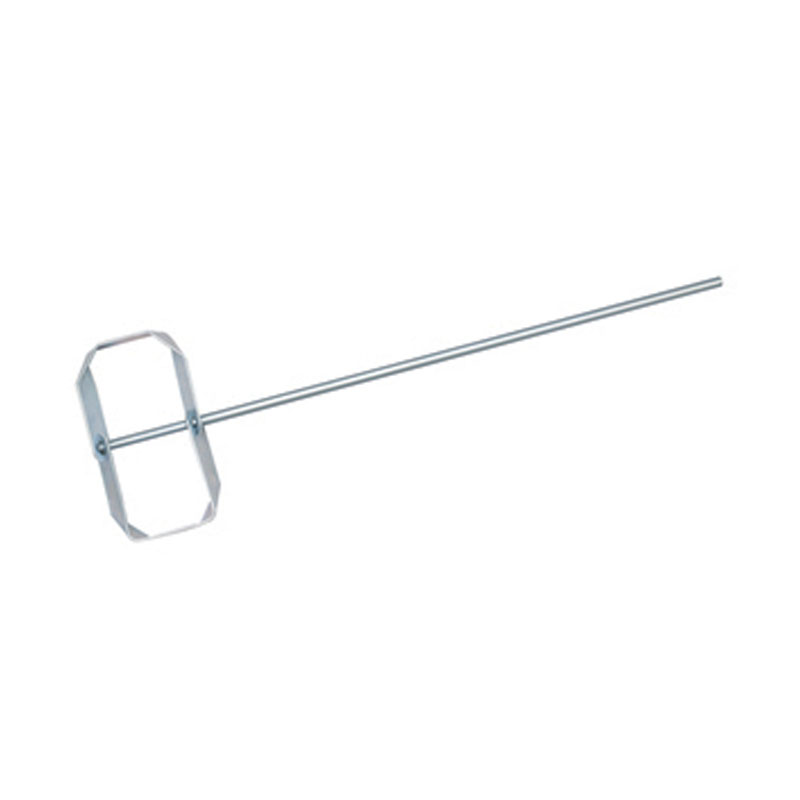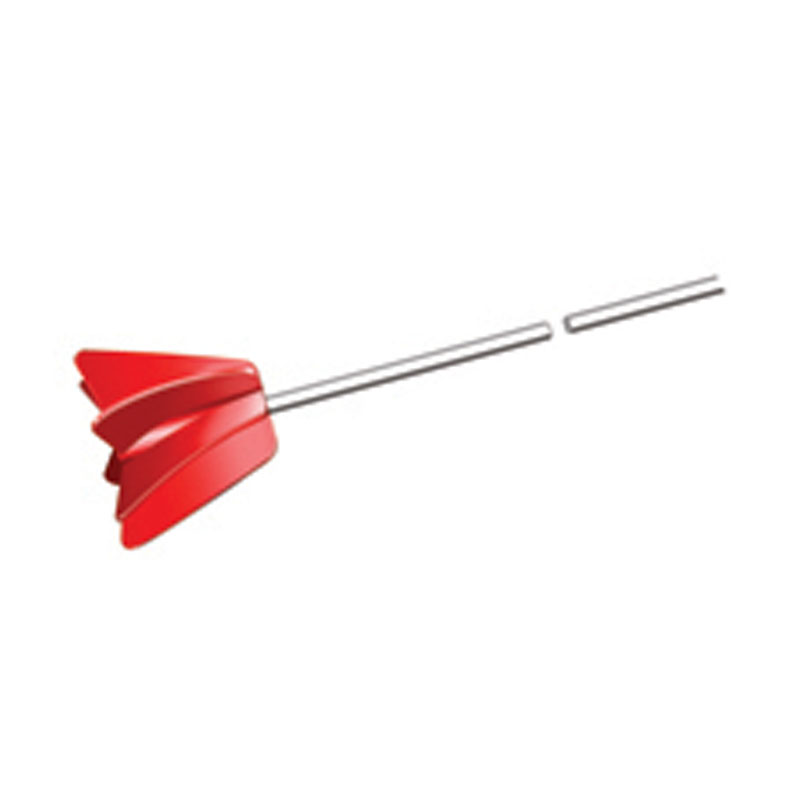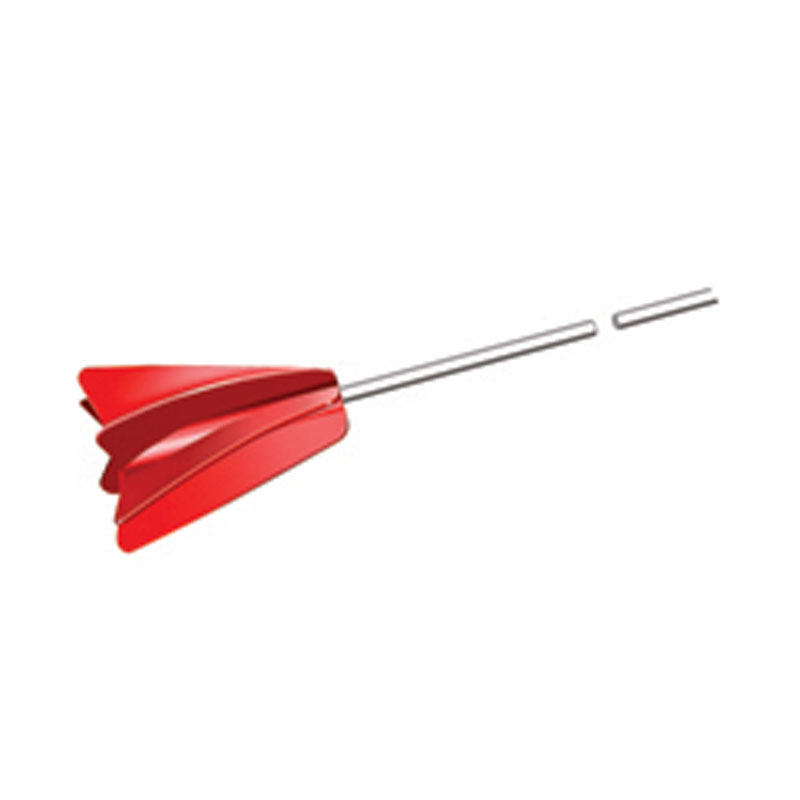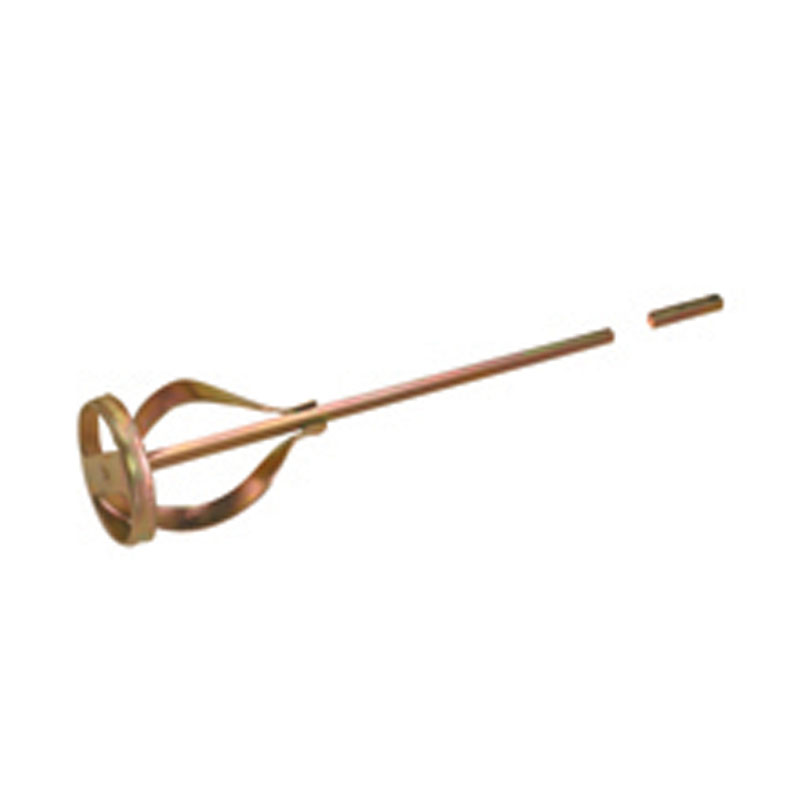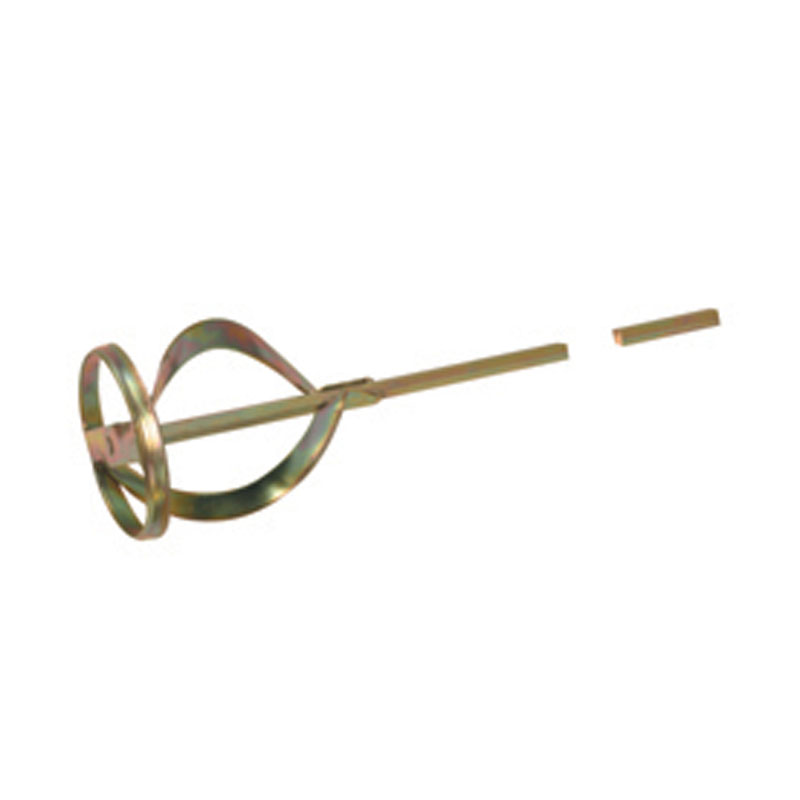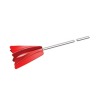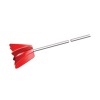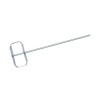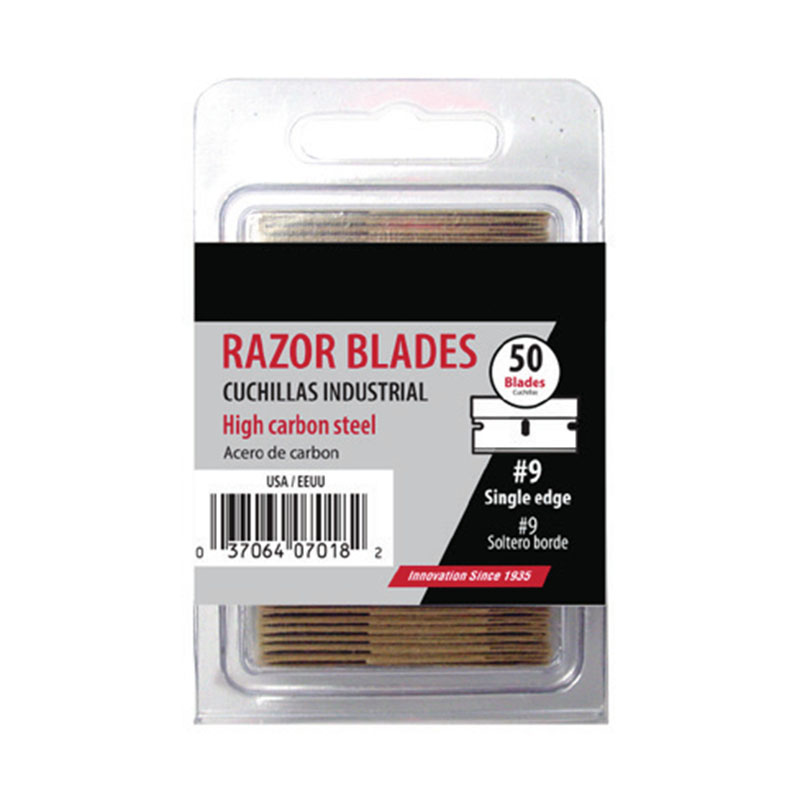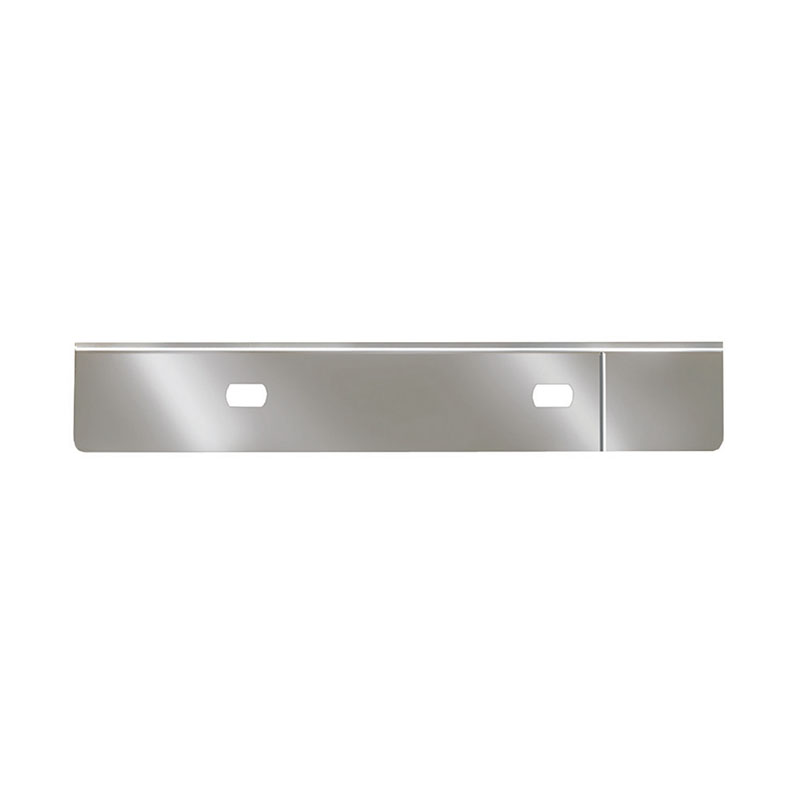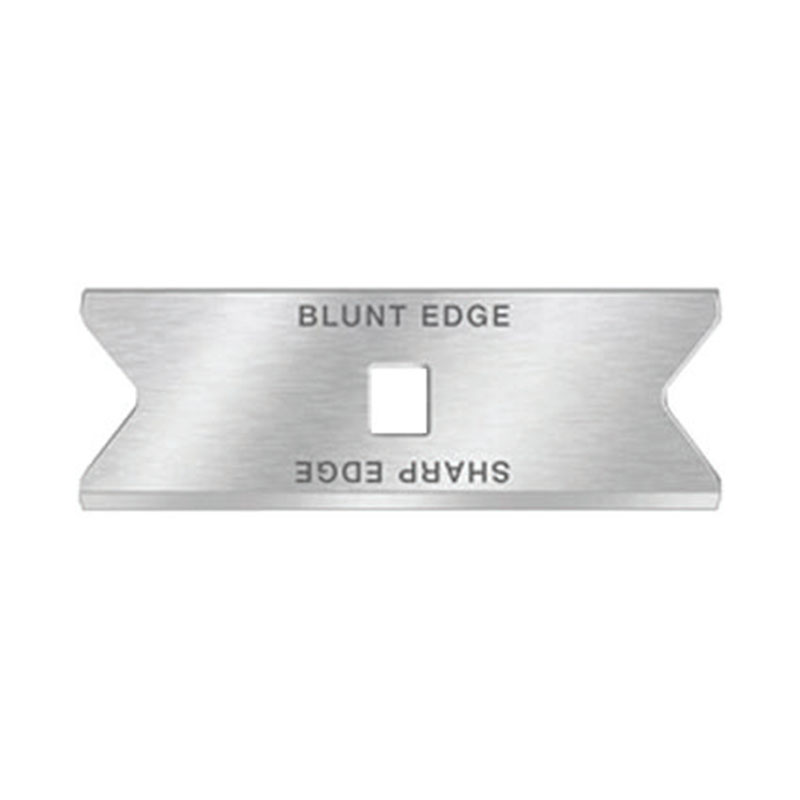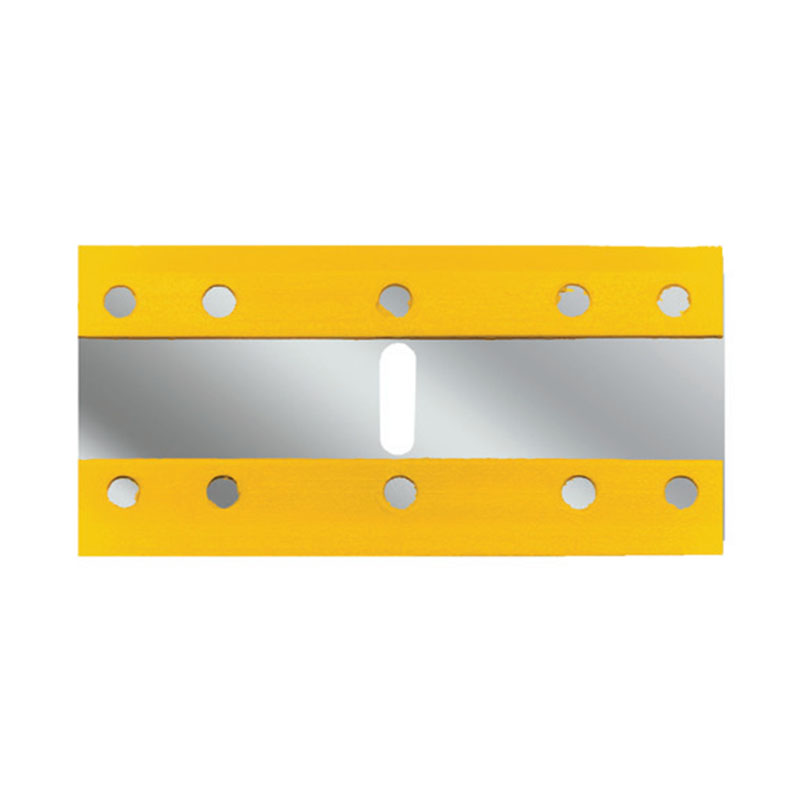
Spiral Mixer

The Spiral Mixer is designed for efficient blending of powders, granules, and industrial raw materials in manufacturing and processing applications. Its spiral mixing structure ensures consistent material movement and uniform mixing results. Built with durable construction for continuous operation, it provides stable performance and easy maintenance. As a reliable Industrial Spiral Mixer, it is widely used in chemical, construction, plastics, and other industrial fields, offering practical and efficient mixing solutions for large-scale production.

contact us
  • Details
  • Specifications

What It Actually Is

A Spiral Mixer here doesn't mean a full machine or a tank. It refers to the spiral mixing component used inside industrial mixing equipment—the part that actually does the “working” during operation.

When the equipment runs, this spiral-shaped part rotates and gently pushes materials around the chamber, folding them over again and again until the mixture becomes even. It sounds simple, but in real production, this motion is what makes the difference between an uneven batch and a stable one.

In most cases, buyers treat it as an Industrial Spiral Mixer replacement or OEM component. It's not a flashy product, but it's one of those parts that quietly affects the whole production line. If the shape or fit is slightly off, operators usually notice it pretty quickly during daily use.

Raw Materials and Material Selection

Material choice is usually the first thing serious buyers ask about, and honestly, that makes sense.

Most spiral mixer parts are made from stainless steel or carbon steel. Stainless steel is often used when the working environment is a bit harsher—humidity, moisture, or materials that can cause corrosion over time. It's more stable in those conditions and holds up better in long-term use.

Carbon steel is also very common, especially in heavy-duty setups where strength and cost balance matter more. In many cases, it gets surface treatment or coating to improve wear resistance, so it can handle continuous operation without issues.

For higher-demand applications, some buyers go for alloy steel. It's basically about getting extra durability when the mixer runs for long hours or handles more abrasive materials.

From a purchasing point of view, it's not just about “what material is used,” but whether the material stays consistent from batch to batch. That's something experienced buyers pay close attention to.

Simple Production Process

The production process isn't complicated, but it does rely on getting the details right.

  • First, steel is cut into the required shape based on the design. This is the foundation step—if the dimensions are off here, everything later becomes harder to fix.
  • Next comes forming. The flat material is shaped into a spiral structure. This step actually matters more than it looks, because the spiral angle directly affects how materials move inside the mixer.
  • After forming, some parts go through welding or joining if the structure requires multiple sections. The strength of these joints is important, since the part will be under repeated stress during operation.
  • Then heat treatment or surface treatment is applied depending on the material. This helps improve durability and keeps the part stable under long-term use.
  • After that, the surface is cleaned and finished. Some versions are polished, others are coated—it depends on where the part will be used.
  • Before packing, each Industrial Spiral Mixer component is checked for size accuracy, spiral alignment, and general surface condition. Nothing overly strict or complicated—just making sure it's ready to go into real equipment without surprises.

Common Applications

This spiral component is used in a lot of industrial mixing systems, especially where materials are thick or not easy to blend.

In chemical production, it's used for powders, pastes, and semi-fluid mixtures. The spiral movement helps keep everything circulating instead of letting materials sit in one place.

In construction material processing, it shows up in mortar, adhesives, coatings, and similar dense mixtures. These materials need stronger mechanical movement, and simple stirring just doesn't cut it.

In plastics and rubber processing, it helps distribute fillers and additives evenly before the next production stage. Without proper mixing, the final product quality can be inconsistent, so this step is pretty important.

You'll also find it in ceramic-related production and other industrial blending processes where materials need steady, controlled movement.

At the end of the day, it's not about what the part looks like—it's about whether it keeps materials moving the way the system expects.

What Buyers Usually Care About

When buyers source this kind of part, they usually don't start with specs—they start with how it performs in real use.

  • Fit is the first thing. Since this is a replacement or OEM component, it has to match the equipment exactly. Even small differences can cause installation issues or uneven operation.
  • Wear resistance is another big one. The part is always in contact with material under pressure, so it needs to keep its shape over time. If it wears too quickly, it affects the whole mixing result.
  • Material stability also matters. Buyers don't want surprises like bending, rust spots, or uneven wear after a few weeks of use.
  • Surface condition is something experienced users always check. A rough surface might not seem like a big deal at first, but it can lead to buildup or friction during operation.
  • And then there's consistency. Once a part is approved and running in a production line, nobody wants to adjust settings again just because the next batch feels slightly different. That kind of stability is what keeps long-term cooperation going.

Wholesale and Custom Services

Most buyers in this category are not looking for “standard products only.” They usually need some level of customization to match their equipment.

Common options include different diameters, spiral spacing, and thickness levels. Some applications need a tighter spiral, others need a more open design—it really depends on the material being processed.

Material choices like stainless steel or carbon steel are usually flexible as well, along with optional surface treatments for better wear resistance.

OEM production based on drawings is quite common, especially for distributors who supply to multiple factories. Some also request logo marking or batch identification for easier tracking.

Packaging can also be adjusted for export—especially when parts need to be shipped in bulk without getting damaged or bent along the way.

For buyers, this flexibility is actually one of the main reasons they stick with certain suppliers. It's not just about the part itself, but how easily it can fit into different markets and equipment setups.

Summary

A Spiral Mixer component might look simple, but it plays a very real role inside industrial mixing systems. It keeps materials moving in a controlled spiral motion so they blend evenly, especially when dealing with heavier or more complex mixtures.

For wholesalers, distributors, and importers, the key points are pretty straightforward: accurate fit, stable material quality, good wear resistance, and consistent production across batches. A reliable Industrial Spiral Mixer part doesn't need to be complicated—it just needs to fit properly, run smoothly in real equipment, and keep doing that over time without constant adjustment or replacement.

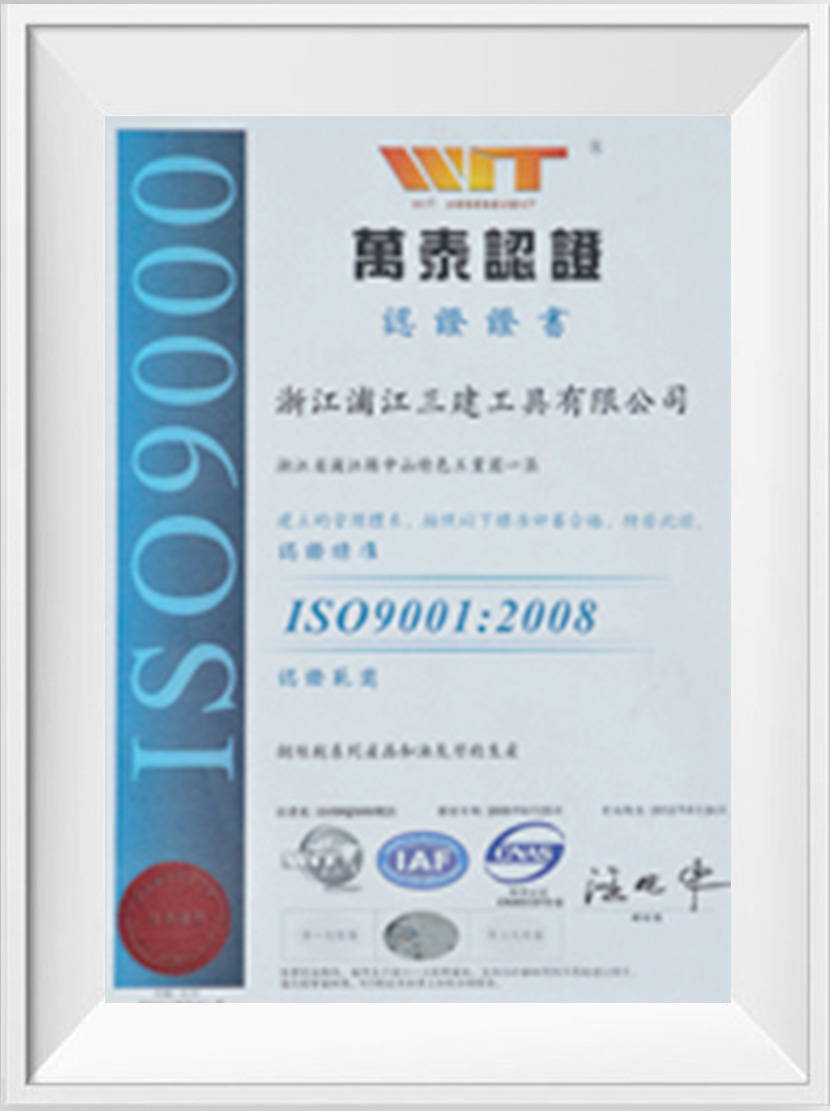
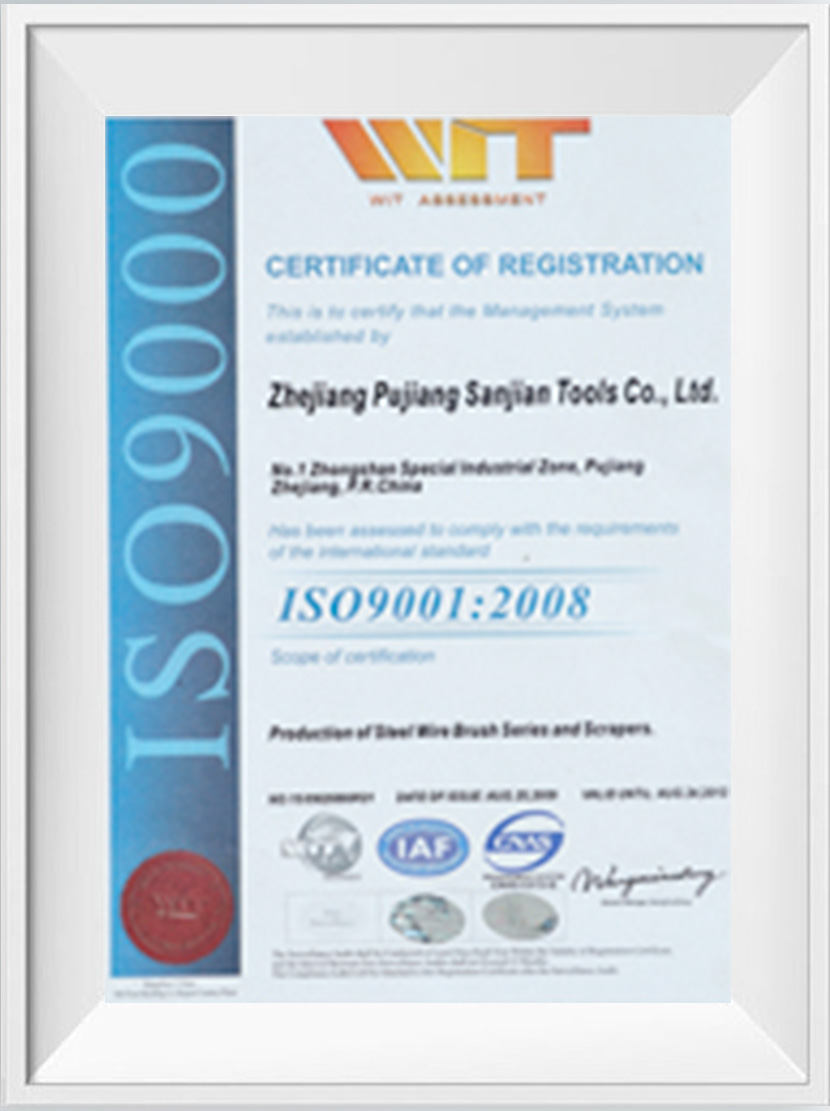
  • Certification
  • IS09001:2008

    IS09001:2008

  • IS09001:2008

    IS09001:2008

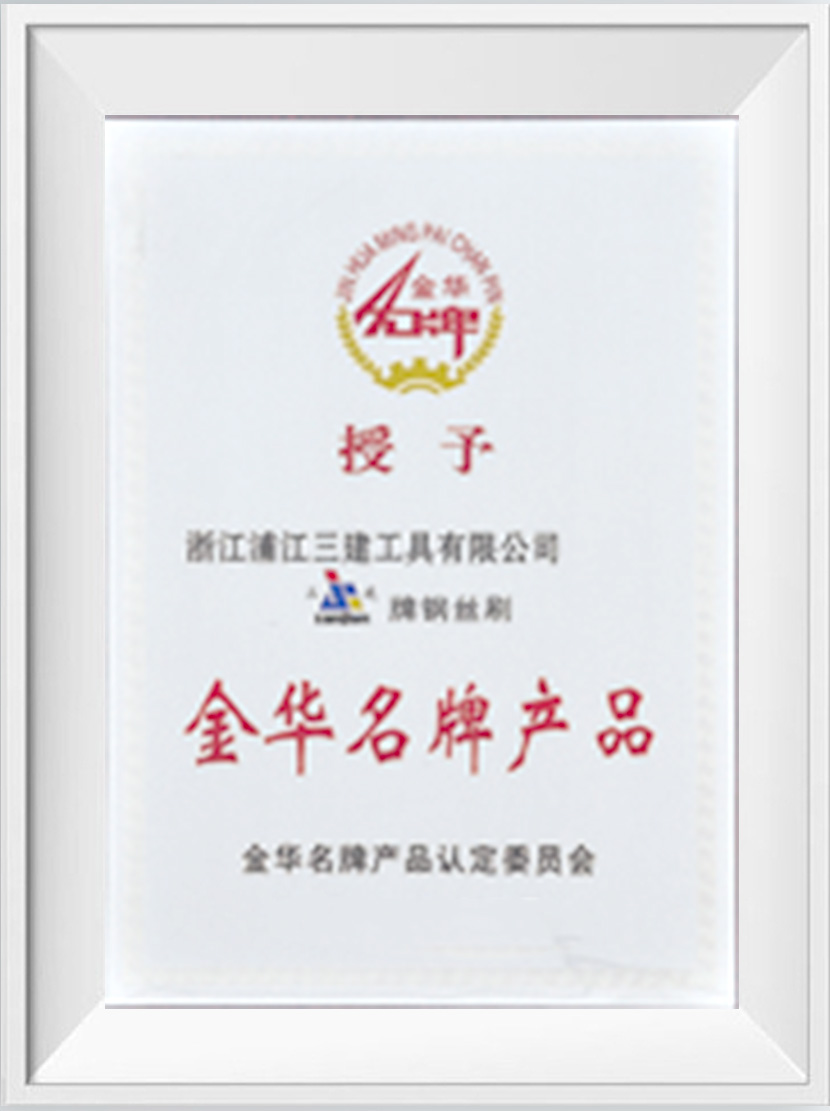
  • Jinhua famous brand products

    Jinhua famous brand products

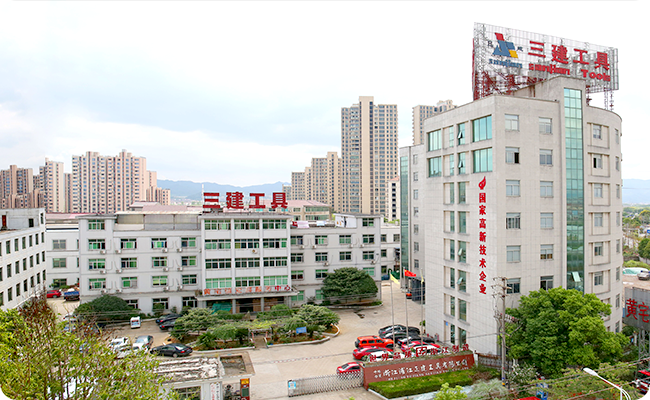
Zhejiang Pujiang Sanjian  Tools Co., Ltd.

About Us

Zhejiang Pujiang Sanjian Tools Co., Ltd. was founded in 1992. It is a company integrating product development, design, production, sales and trade. In the process of its continuous development and growth, it has successively established "Zhejiang Pujiang Sanjian Import and Export Co., Ltd." and "Sanjian Brush Co., Ltd.". The company has the right to import and export on its own, specializing in the production of various types of Custom Industrial Spiral Mixer Supplier and Wholesale Spiral Mixer Company. It is a supplier of Wal-Mart and Home Depot in the United States. The company is located in Zhongshan Special Industrial Park, Pujiang County, Zhejiang Province, covering an area of ​​20,000 square meters. It is located at the Pujiang entrance of Hangjinqu Expressway, 6 kilometers away from Yiwu Airport, and the transportation is Intensely convenient. The company has a deep corporate culture, ISO9001 quality system management, scientific production control, superb after-sales service, systematic brand support and reasonable sales layout, so that the company's various economic indicators rank first in the domestic industry. The company's consistent business philosophy: to achieve sustainable operation with customer satisfaction, employee satisfaction and business satisfaction. Innovative quality, guaranteed delivery, affordable prices, improved productivity to enhance product competitiveness, and committed to never-ending product innovation, moving towards diversified international operations is our eternal goal.