Rust, scale, old paint, dirt, and other surface deposits can make metal parts harder to inspect, weld, paint, or process. Before repair or finishing work starts, these unwanted materials usually need to be removed.
A steel wire brush is a fairly simple tool, but it still has plenty of uses in metalworking. Its steel bristles scrape and loosen unwanted material from the surface without needing complicated equipment. Workshops, fabrication plants, maintenance teams, hardware distributors, and industrial users may use Wire Brush Steel products for both hand cleaning and powered applications.
The thing is, the brush itself is only part of the equation. Wire diameter, brush shape, bristle density, operating speed, pressure, and the condition of the workpiece can all change the result. Choosing the right combination makes a noticeable difference.
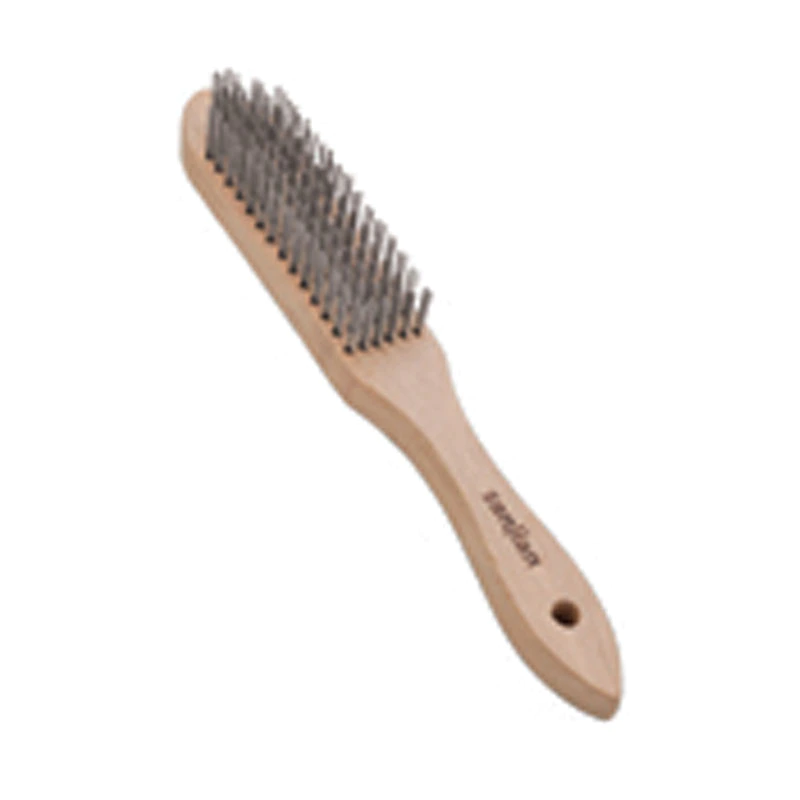
Why Steel Wire Brushes Are Used for Metal Surface Cleaning
Steel wire bristles are relatively stiff, so they provide a firm scraping action when they contact a metal surface. As the brush moves, the individual wires loosen contamination that has built up on the substrate.
They can be used to remove:
- Loose rust
- Surface scale
- Welding residues
- Dirt and grime
- Oxidized material
- Old coatings
- Burrs
- Corrosion products
Steel wire brushes are commonly used on carbon steel, structural steel, cast iron, tools, machinery parts, and fabricated components.
They are especially handy when the user wants to clean an existing metal surface without removing large amounts of the underlying material.
How Steel Wire Bristles Remove Rust
Rust forms when iron or steel reacts with oxygen and moisture. Depending on the condition of the metal, the rust may be loose and flaky or firmly attached to the surface.
A steel wire brush removes rust through mechanical abrasion. As the wires pass over the workpiece, they break up and lift corrosion products from the surface.
Light surface rust may come away after only a few passes. Heavier rust can take more work and may require a stiffer brush, repeated brushing, or another cleaning method.
There is a limit, though. If corrosion has created deep pits or caused significant metal loss, brushing can clean the surface but cannot restore the material that has already been damaged.
Removing Scale From Steel Surfaces
Scale is another common issue in industrial metalworking.
Mill scale, for example, is a layer of iron oxides that forms on steel during hot manufacturing processes. Other types of scale can develop after heating, fabrication, or prolonged exposure to high temperatures.
Scale can be quite firmly attached, so it usually needs more aggressive brushing than loose dirt or light rust.
This is why industrial users may choose brushes with stronger steel wire and a suitable bristle arrangement. The goal is to break away the unwanted layer while keeping the cleaning process under control.
Wire Brush Design Affects Cleaning Performance
A steel wire brush is not simply a collection of wires attached to a holder. Small design changes can affect how it behaves on the workpiece.
Some important factors include:
| Brush factor |
Effect on cleaning |
| Wire diameter |
Thicker wire generally provides a stronger brushing action |
| Wire density |
Changes contact coverage and frequency |
| Bristle length |
Affects flexibility and surface contact |
| Brush diameter |
Influences working area and peripheral speed |
| Brush shape |
Determines access to different surfaces |
| Wire configuration |
Changes flexibility and cutting action |
Fine wire can be useful for lighter cleaning, while thicker wire is more suitable for tougher rust or scale.
But going straight for the aggressive brush is not always a good idea. Too much abrasion can mark the surface or remove material that was supposed to remain.
Different Brush Shapes Suit Different Applications
Steel wire brushes come in several forms. The shape matters because different workpieces require different access and contact.
Hand Wire Brushes
Hand brushes are common in workshops, maintenance work, welding preparation, and small repair jobs.
They are simple and convenient because they do not need a power tool. The downside is productivity. Cleaning a large steel surface by hand can take a while.
Cup Brushes
Cup brushes are normally fitted to grinders or other compatible power tools. Their shape works well on broad and relatively open surfaces.
Typical uses include:
- Weld cleaning
- Rust removal
- Scale removal
- Surface preparation
- Heavy maintenance work
Wheel Brushes
Wheel brushes are designed for rotating equipment and can provide continuous brushing along an edge or surface.
They are often used in fabrication, production, and industrial cleaning where a consistent brushing path is needed.
End Brushes
End brushes are useful when the work area includes corners, holes, recesses, or other tight locations.
The brush shape really depends on the workpiece. A large cup brush may clean an open steel plate quickly, but it will not be much help inside a narrow recess.
Wire Diameter Changes the Aggressiveness of the Brush
Wire diameter is one of the specifications worth checking before buying.
Thicker wire is generally stiffer and provides a more forceful scraping action. Fine wire bends more easily and can be better for lighter cleaning or surfaces that need a gentler touch.
Actual performance also depends on speed, pressure, wire length, and the overall brush design.
| Wire type |
Typical use |
| Fine wire |
Light rust and surface cleaning |
| Medium wire |
General maintenance and preparation |
| Heavy wire |
Scale, heavy rust, and tougher contamination |
For industrial purchasing, the manufacturer should provide the actual wire diameter so the brush can be matched to the application.
Operating Speed Matters for Powered Brushes
Powered wire brushes may run at fairly high rotational speeds. As speed increases, the bristles make contact with the workpiece more frequently.
That can improve cleaning productivity, but it also changes the forces acting on the brush.
Important specifications include:
- Maximum RPM
- Recommended operating speed
- Brush diameter
- Tool compatibility
- Workpiece material
- Required cleaning intensity
A brush should always be operated within its rated speed.
For buyers, checking the manufacturer's maximum safe RPM and comparing it with the intended grinder, machine, or automated system is a basic but important step.
Pressure Is Not the Only Way to Improve Cleaning
When a brush seems slow, it can be tempting to press harder. Sometimes that helps. Often, though, it simply increases wire fatigue, heat, and surface damage.
If the brush is struggling, it is worth checking whether the wire type and brush design actually match the contamination.
A more useful combination to consider is:
wire diameter + brush speed + contact angle + pressure + number of passes
These factors work together. Applying heavy pressure to a small, fine-wire brush does not automatically turn it into a heavy-duty cleaning tool.
Too much pressure can also cause bristles to break sooner, shortening brush life and reducing cleaning consistency.
Surface Material Should Be Considered Before Choosing the Brush
Steel wire brushes are mainly used on steel and other relatively hard metal surfaces, but that does not mean every metal should be treated the same way.
Softer materials, such as aluminum, can be scratched or marked by an aggressive steel brush. Finished or machined surfaces may also require a lighter brushing approach.
So there are really two questions to ask before selecting the brush:
What is the substrate?
What exactly needs to be removed?
For example, a heavy wire brush intended for mill scale may be unnecessary for light surface oxidation on a finished component.
Wire Brush Steel Is Useful Before Welding
Good surface preparation matters in fabrication and repair work.
Rust, paint, oil, dirt, and oxidation can interfere with welding and may make the finished joint more difficult to inspect. A steel wire brush can help remove loose contamination from the area before welding.
After welding, the brush can also help remove spatter, residue, and loose surface material so the weld area is easier to examine.
Still, brushing is only one part of the preparation process. The cleaning method should match the welding process and material being worked on.
A wire brush can clean a surface, but it should not automatically be treated as a complete weld-preparation procedure for every application.
Surface Preparation Before Painting or Coating
Paint and protective coatings generally need a properly prepared substrate.
A wire brush can remove loose rust, flaky coatings, and surface deposits so that later preparation steps can work more effectively.
For maintenance projects, brushing may be combined with degreasing, scraping, abrasive blasting, or other preparation methods.
The required level of preparation depends on the coating specification and the actual condition of the metal. A lightly rusted bracket and a heavily corroded steel structure clearly do not need exactly the same treatment.
Manual Cleaning and Machine Cleaning Have Different Needs
The amount of work often determines which brush style makes sense.
A technician cleaning a small component may only need a hand brush. A fabrication plant processing hundreds of parts may need powered wheel brushes, cup brushes, or a machine-mounted brushing system.
| Cleaning situation |
Suitable direction |
| Small repair |
Hand wire brush |
| Weld preparation |
Hand or powered brush |
| Large steel surface |
Cup or wheel brush |
| Recessed areas |
End brush |
| High-volume production |
Machine-mounted brush system |
For distributors, carrying several brush configurations can also make sense because industrial customers do not all have the same cleaning requirements.
What Buyers Should Check When Sourcing Steel Wire Brushes
For B2B purchasing, it is worth looking beyond the product photo.
Useful specifications include:
- Wire material
- Wire diameter
- Brush diameter
- Brush width
- Bristle density
- Maximum RPM
- Arbor or mounting size
- Brush configuration
- Intended substrate
- Application type
- Packaging
- Order quantity
Clear dimensional information makes supplier comparison much easier.
For custom brushes, buyers may also need different wire gauges, widths, mounting interfaces, densities, or packaging formats. Those details should be discussed before production begins.
Manufacturing Quality Affects Brush Performance
Wire brushes may look simple, but manufacturing consistency still matters.
Uneven wire diameter, inconsistent bristle distribution, poor wire retention, or inaccurate mounting dimensions can affect the brush during operation.
For powered brushes, wire retention deserves particular attention because centrifugal forces increase as the brush rotates.
Manufacturers may inspect areas such as:
| Inspection area |
Purpose |
| Wire diameter |
Keeps brushing characteristics consistent |
| Bristle density |
Supports even cleaning |
| Overall dimensions |
Ensures equipment compatibility |
| Wire retention |
Supports safe operation |
| Balance |
Helps reduce vibration |
| Mounting dimensions |
Ensures proper machine fit |
The exact inspection process will depend on the brush design and its intended use.
Safety Should Be Part of Product Selection
Powered wire brushes need to be handled with care.
Individual wires can break during operation, especially when the brush is damaged, worn, overloaded, or operated outside its rated specifications. Users should follow the manufacturer's operating instructions and use suitable protective equipment.
Depending on the application, this can include eye and face protection, gloves, protective clothing, and proper machine guarding.
The brush should also be checked before use. If the wires, holder, mounting area, or overall structure show signs of damage, continued operation may not be appropriate.
For B2B buyers, clear information about rated speed and intended applications should be part of the product documentation.
Custom Steel Wire Brushes for Industrial Applications
Standard brushes cover many common cleaning jobs, but production equipment sometimes needs something different.
Custom options may include:
- Brush diameter
- Brush width
- Wire thickness
- Bristle length
- Mounting hole
- Arbor size
- Wire type
- Brush density
- Packaging and labeling
For equipment manufacturers, a custom brush can be designed around a particular cleaning station or automated process.
The more information the manufacturer has, the easier it is to judge whether the design will work. Machine dimensions, target RPM, workpiece material, contamination type, and drawings can all be useful.
For larger custom orders, testing a sample before mass production can save time later.
How to Choose the Right Brush for Rust and Scale Removal
The selection process becomes easier when the brush characteristics are matched to the actual cleaning problem.
| Application |
Brush characteristics to consider |
| Light surface rust |
Fine or medium steel wire |
| Heavy rust |
Heavier wire and suitable brush configuration |
| Mill scale |
Stiffer wire and powered application where appropriate |
| Weld cleaning |
Medium or heavy wire depending on residue |
| Paint residue |
Brush type matched to coating condition |
| Large steel surfaces |
Cup or wheel brush |
| Small recessed areas |
End or hand brush |
These are general guidelines, not fixed rules. Actual contamination, substrate condition, and machine settings can change the result.
Getting More Consistent Results From Steel Wire Brushes
A steel wire brush is a straightforward tool, but getting useful results still depends on choosing the right one.
Wire diameter, brush shape, density, operating speed, pressure, and substrate all influence how rust, scale, and other contamination are removed. A brush used for heavy industrial cleaning may have very different characteristics from one used for light maintenance.
For wholesalers, distributors, and industrial buyers, a supplier that provides clear specifications and different brush configurations can make sourcing easier. Custom dimensions and mounting options are also useful when the brush needs to fit production equipment.
When the brush is properly matched to the workpiece and operating conditions, Wire Brush Steel products provide a practical way to clean metal surfaces before welding, coating, repair, or further processing.
 sales@sanjiantools.com


 中文简体
中文简体 Deutsch
 Español

 +86-13906791151
 sales@sanjiantools.com
 No.1 Xinggong Road, Huangzhai Town, Pujiang County, Zhejiang Province, China


 浙公网安备33072602100309号
Reserved.
浙公网安备33072602100309号
Reserved.
