 sales@sanjiantools.com


 中文简体
中文简体 Deutsch
 Español
Paint Mixer in Construction
Paint preparation is a critical step in construction, renovation, and maintenance projects. Paint mixers, though simple in design, play a central role in ensuring uniformity, efficiency, and safety during the preparation process. Their use extends across residential, commercial, and educational settings, demonstrating versatility and practical value.
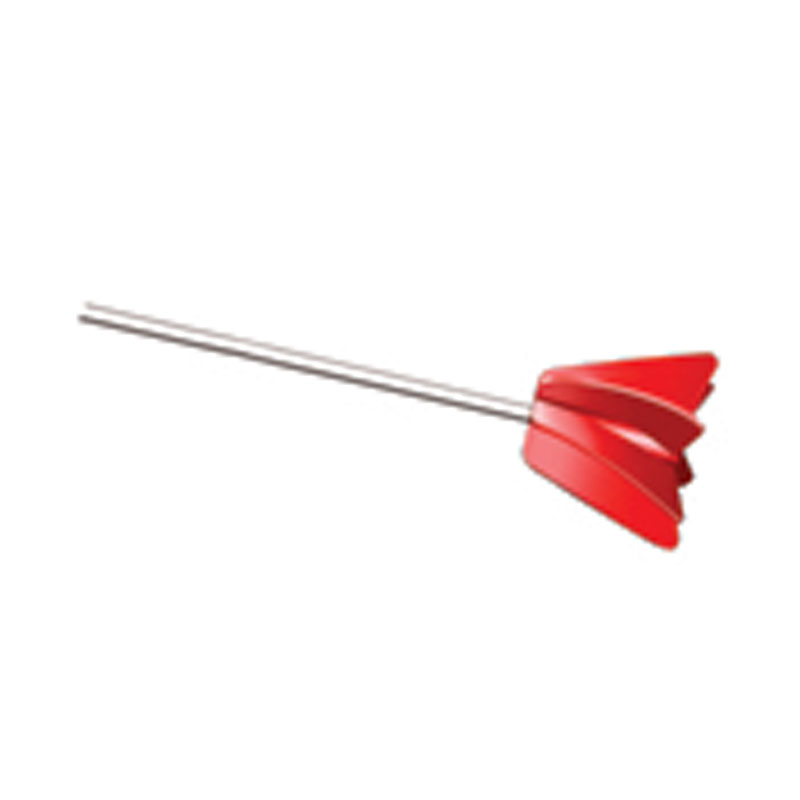
In construction and renovation, unevenly mixed paint can cause noticeable differences in color, texture, and surface coverage. This inconsistency may cause multiple layers being applied, increasing labor time and material costs. Proper mixing ensures that pigments and additives are fully dispersed, resulting in smoother finishes and more durable coatings. Consistently mixed paint reduces the likelihood of defects that might require rework, supporting project schedules and quality control.
Paint mixers also have a direct impact on worker safety. Stirring large or heavy containers manually can place strain on the arms, shoulders, and back, especially over extended periods. Mechanical mixers reduce this physical load, allowing workers to focus on application rather than preparation. This helps minimize fatigue and the risk of minor injuries associated with repetitive movements, which are common in construction and maintenance tasks.
Material management is another key benefit of using paint mixers. Accurate blending helps ensure that the exact quantity of paint is prepared for the task at hand, reducing waste. Improperly mixed paint is often discarded because it does not perform as expected, contributing to unnecessary resource use. By preparing only the required amount and achieving uniform results, mixers promote responsible use of materials and support sustainability goals. In larger projects, this can translate into significant cost savings and less environmental impact.
The role of paint mixers extends beyond construction sites. Educational programs and training workshops often incorporate these tools to teach color theory, coating techniques, and proper material handling. Students can observe how the mixing process affects consistency, drying time, and final finish quality. This hands-on learning reduces material waste while providing practical experience that can be applied in professional settings.
Additionally, well-mixed paint often requires fewer touch-ups and corrections after application. Uniform coatings dry evenly, improving overall durability and reducing the frequency of maintenance. Standardized mixing practices are increasingly adopted in project workflows to ensure consistent results, which contributes to both efficiency and quality assurance.
Overall, paint mixers serve a practical and important role in preparation and application processes. They help ensure consistent results, support safer handling, and allow for more efficient use of materials. From small home projects to large construction sites and educational programs, these tools contribute to better-quality finishes and more responsible management of resources.
FAQ
Q1: What is the main purpose of a paint mixer?
A paint mixer is used to combine paint evenly, ensuring consistent color, texture, and performance.
Q2: Can paint mixers improve safety on a worksite?
Yes. They reduce the physical effort required for manual stirring, lowering the risk of strain or fatigue.
Q3: Does mixing influence the durability of paint?
Properly mixed paint cures more evenly, which supports longer-lasting surfaces and fewer touch-ups.
Q4: How do paint mixers help minimize waste?
They allow precise preparation of paint, reducing the likelihood of leftover or discarded material.
Q5: Are paint mixers suitable for small projects?
Yes. Compact mixers can be used for minor renovations as well as larger construction tasks.
Q6: Can paint mixers be used in educational or training settings?
Yes. They help teach color mixing, coating techniques, and material handling while reducing waste.

-
 +86-13906791151
-
 sales@sanjiantools.com
-
 No.1 Xinggong Road, Huangzhai Town, Pujiang County, Zhejiang Province, China


Client
Copyright © Zhejiang Pujiang Sanjian Tools Co., Ltd. All Rights  浙公网安备33072602100309号
Reserved.
浙公网安备33072602100309号
Reserved.

Construction Paint Tools Factory