 sales@sanjiantools.com


 中文简体
中文简体 Deutsch
 Español
The Complete Guide to Brass Wire Brushes
Understanding Brass Wire Brush Composition
A brass wire brush differs fundamentally from its steel counterparts in both material properties and applications. Brass is an alloy of copper and zinc, with proportions typically ranging from sixty to seventy percent copper and thirty to forty percent zinc. This composition creates a metal that is significantly softer than steel but harder than many materials it is designed to clean. The bristles are formed through wire drawing processes that create consistent diameters, then cut to length and embedded into blocks or twisted into handles. The characteristic gold color of brass makes these brushes easily distinguishable from steel versions.
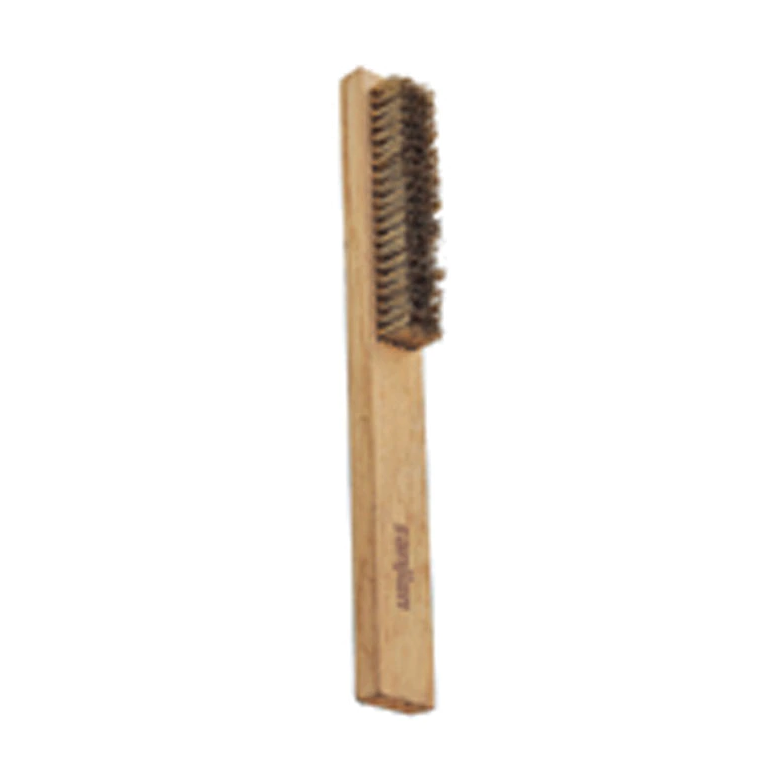
Why Choose Brass Over Steel
The primary advantage of a brass wire brush lies in its relative softness compared to steel. When working with delicate surfaces or non-ferrous metals, steel bristles can cause scratching, gouging, or surface damage that compromises appearance and function. Brass wire provides effective cleaning action while being less likely to mar underlying materials. This makes brass brushes the preferred choice for applications ranging from antique restoration to firearm cleaning and electrical contact maintenance.
The non-sparking characteristic of brass represents another critical advantage in certain environments. Unlike steel, which can generate sparks when striking hard surfaces, brass produces significantly less friction and dramatically reduces ignition risks. This property makes brass wire brush tools essential in potentially explosive atmospheres including grain handling facilities, chemical plants, and areas where flammable vapors may be present.
Applications in Antique and Metal Restoration
Restoration professionals consistently choose brass wire brushes for cleaning valuable antiques and historic artifacts. When removing corrosion from aged brass, copper, or bronze items, steel brushes would leave visible scratch patterns and potentially remove original patina. A brass wire brush with appropriately fine wire gently lifts corrosion products while preserving the underlying surface character. Clockmakers use them for cleaning gear trains without damaging precision-cut teeth. Musical instrument repair technicians rely on brass brushes to clean tarnished brass instruments without scratching lacquered surfaces.
Firearm Cleaning and Maintenance
The firearms industry represents a major market for brass wire brushes. Gun owners use brass wire brush tools attached to cleaning rods for scrubbing bore residues from rifle and pistol barrels. The brass bristles effectively remove powder fouling and cause deposits without damaging the precision-rifled steel interiors. Softer than the barrel steel but hard enough to dislodge stubborn deposits, brass provides the ideal balance for this demanding application. Different diameters accommodate various calibers, with brush sizes precisely matched to bore dimensions for contact.
Electrical and Electronic Applications
Electricians and electronics technicians value brass wire brushes for cleaning electrical connections. Corrosion on terminals, battery contacts, and grounding points can cause resistance that affects circuit performance. A brass wire brush with fine bristles removes oxide layers and contamination without removing base metals or leaving conductive steel particles that could create short circuits. The non-magnetic property of brass also proves beneficial when working near sensitive electronic components where magnetic fields could cause interference.
Spark Prevention in Hazardous Environments
Industrial safety protocols often mandate non-sparking tools in classified hazardous areas. Brass wire brushes meet these requirements, providing essential cleaning and surface preparation capabilities without ignition risks. Chemical plants, oil refineries, and grain elevators stock brass wire brush tools throughout their facilities. Maintenance crews use them for removing rust from equipment, cleaning threaded connections, and preparing surfaces for painting or inspection. The slightly higher cost of brass compared to steel represents minimal investment for substantial safety improvement.

-
 +86-13906791151
-
 sales@sanjiantools.com
-
 No.1 Xinggong Road, Huangzhai Town, Pujiang County, Zhejiang Province, China


Client
Copyright © Zhejiang Pujiang Sanjian Tools Co., Ltd. All Rights  浙公网安备33072602100309号
Reserved.
浙公网安备33072602100309号
Reserved.

Construction Paint Tools Factory