 sales@sanjiantools.com


 中文简体
中文简体 Deutsch
 Español
What Is Wood Finish Scraper Used For Surface Smoothing
Wood rarely comes out of machining in a naturally even state. Tool paths, slight pressure differences, and grain direction all leave small traces on the surface. Those marks may look minor. Once finishing layers go on, uneven texture becomes easier to notice.
Surface smoothing sits between shaping and finishing. It acts like a quiet adjustment stage, bringing the wood closer to a steady, balanced condition before coating begins. When the base surface stays uneven, later layers tend to reflect light in different ways, which changes appearance.
A Wood Finish Scraper is often used at this point because it works in a controlled way. Instead of removing large amounts of material, it focuses on refining the surface step by step, keeping the structure of the wood mostly intact.
What Is A Wood Finish Scraper And How It Works On Wood Surface
A Wood Finish Scraper is a simple hand tool with a sharpened steel edge. It is used to remove extremely thin layers from wood surfaces, almost like shaving rather than cutting deeply.
The working idea is straightforward. When the edge touches the wood, surface fibers lift slightly and separate in very thin strips. Movement stays controlled, so only the top irregular layer is affected.
Main working behavior:
- thin layer removal with controlled contact
- fiber separation along natural grain direction
- light pressure instead of deep force
- surface adjustment without reshaping the board
Unlike sanding, no abrasive particles are involved. Contact stays clean between blade and wood, which helps keep surface structure more stable during refinement.
How Wood Finish Scraper Improves Surface Smoothing Quality
Surface smoothing with a Wood Finish Scraper is not about changing shape. It is more about correcting small inconsistencies left from earlier steps.
Common surface improvements include:
- reduction of machine marks left by cutting tools
- flattening uneven joints between boards
- removal of small glue residue spots after assembly
- preparation of surface before finishing layers
Different grain direction and machining pressure often leave mixed textures on wood. Scraping helps bring those variations closer together.
Simple comparison:
| Surface Area | Before Scraping | After Scraping |
|---|---|---|
| Machine marks | visible traces | reduced depth |
| Joint lines | slight unevenness | smoother transition |
| Glue residue | raised spots | flattened feel |
| General texture | mixed roughness | more even surface |
The result is a surface that feels more consistent before coating work begins.
Why Wood Finish Scraper Performs Well On Difficult Wood Grain
Certain wood types behave unpredictably when tools cut against grain direction. Curly or irregular grain can lift or tear when pressure is not controlled.
A Wood Finish Scraper handles this in a different way. Instead of pushing deep into the wood, it shears fibers gently at the surface. That reduces the chance of tearing and keeps grain structure more stable.
Typical advantages on complex grain:
- fiber shearing instead of aggressive cutting
- controlled response on curved grain patterns
- reduced surface damage during adjustment
- clearer visual grain after finishing
Even when grain direction changes suddenly, scraping allows gradual correction rather than sudden removal.
What Types Of Wood Finish Scraper Are Used In Surface Work
Different scraper shapes support different surface needs. Selection usually depends on how large or detailed the surface area is.
Main types:
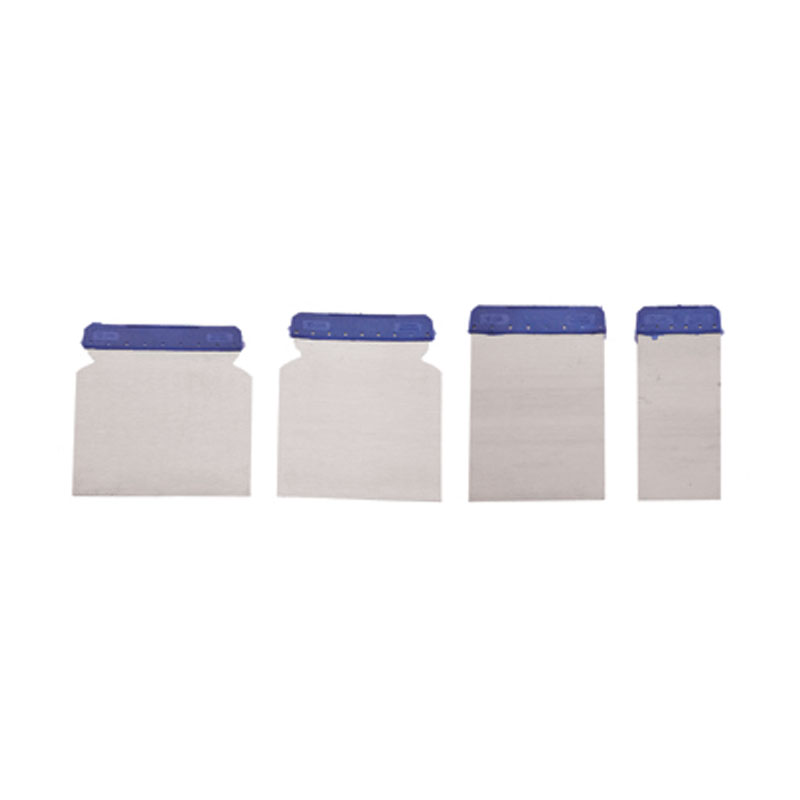
- flat card scraper for flexible surface control
- cabinet scraper for larger flat areas
- shaped scraper for curved or detailed surfaces
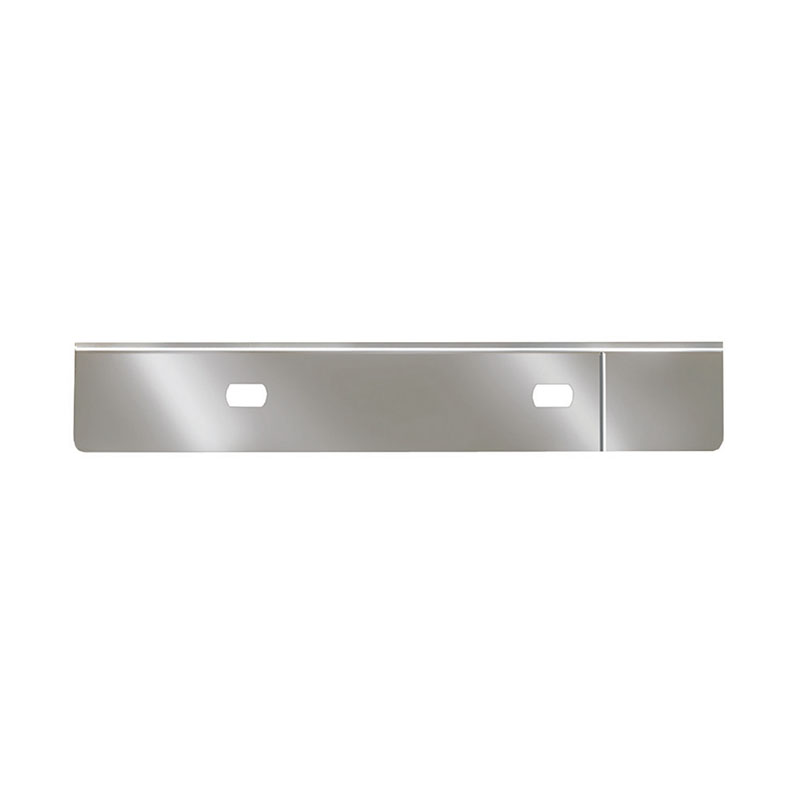
A card scraper is a simple steel plate that bends slightly during use. That flexibility helps it adjust to small surface variations.
Cabinet scraper has a more rigid body. It moves steadily across wide boards, useful when surface consistency matters over larger areas.
Shaped scrapers follow curves and profiles. They reach areas where flat tools cannot maintain contact.
How Wood Finish Scraper Works Compared With Sanding And Planing
Scraping behaves differently from sanding and planing, even though all three aim to improve surface quality.
Sanding uses abrasive particles that wear down the surface through repeated friction. Planing removes thicker layers using a blade that cuts deeper into the wood.
Scraping sits between the two in terms of removal depth. It focuses on thin surface correction without heavy material loss.
Basic differences:
- sanding: abrasion through repeated friction
- planing: deeper cutting and leveling
- scraping: thin layer shaving with controlled edge
Dust behavior also differs. Sanding produces fine dust, while scraping creates thin shavings that are easier to control during work.
| Method | Surface Action | Material Removal | Surface Feel |
|---|---|---|---|
| Sanding | abrasion | moderate | uniform but dusty |
| Planing | deep cut | higher | flat but more aggressive |
| Scraping | thin shaving | minimal | refined and controlled |
Scraping is often used when surface control matters more than speed of removal.
What Surface Problems Can Be Solved By Wood Finish Scraper
Wood surfaces rarely stay uniform after machining and joining steps. Small marks stay behind in different forms. Some are shallow tool lines, some are raised glue spots, and some appear where two boards meet and do not sit perfectly even.
A Wood Finish Scraper is often used when correction needs to stay controlled. Instead of removing a large layer, only the upper thin film is adjusted.
Common situations include:
- planer or jointer marks left on boards
- slight height difference at glued joints
- hardened glue squeeze-out after assembly
- uneven finish build-up after coating work
- small bumps near edges or inlay areas
Glue spots behave differently from wood. Once dry, they become harder than surrounding fibers. Scraping lifts them directly without spreading residue across the surface.
In finishing layers, uneven coating thickness can also appear. Light scraping helps even out those spots without disturbing the wood below.
How Scraper Technique Influences Surface Quality
Tool quality alone does not decide the result. Hand movement and contact angle shape how the surface turns out.
Small changes often create visible differences:
- blade angle against wood surface
- pressure level during each stroke
- steadiness of hand movement
- burr condition on cutting edge
A shallow angle tends to glide more smoothly across the surface. A steeper angle increases cutting strength, though it may leave slight lines if pressure is uneven.
Direction also plays a role. Following grain usually feels smoother. Crossing grain requires lighter touch because fiber direction changes suddenly in some areas.
The burr on the edge acts like a fine hook. When formed properly, it lifts thin shavings instead of digging into the wood. That detail often decides whether the finish feels smooth or slightly rough.
How Maintenance And Sharpening Affect Scraper Performance
A Wood Finish Scraper depends heavily on edge condition. Unlike powered tools, no motor compensates for wear. The cutting feel comes directly from the edge itself.
Once the edge becomes dull, shaving action weakens. The tool may still move across wood, though removal becomes inconsistent.
Basic care usually includes:
- checking edge condition before use
- refreshing burr when cutting feel weakens
- removing wood residue after work
- storing in a dry and stable place
Sharpening is not only about sharpness. It is also about restoring the small burr shape that allows controlled shaving. Without that edge form, the tool loses much of its smoothing behavior.
Regular attention keeps the scraper responsive, especially when working on fine surfaces where small imperfections matter.
How Wood Finish Scraper Fits Into Modern Woodworking Workflow
In many woodworking processes, surface work happens in stages. Rough shaping comes first, followed by joining, then surface correction, and finally coating.
The scraper usually sits in the middle of that chain. It is used after main shaping tools finish their work and before final coating begins.
A simple flow looks like:
- shaping and cutting
- assembly and joining
- surface correction with scraper
- final finishing layer
Because scraping removes only thin layers, the shape of the board stays mostly unchanged. That makes it useful for fine adjustment work where precision is more important than speed.
In detailed woodworking, especially around edges and decorative sections, scraping often replaces heavier sanding. It keeps grain pattern clearer and reduces surface disturbance.
Why Wood Finish Scraper Remains A Practical Surface Tool
Even with many modern surface tools available, the scraper still holds a place in fine woodworking. The reason is simple control. It allows direct touch on the surface without aggressive removal.
Key practical points:
- removes very thin surface layers
- keeps grain structure visible and intact
- reduces risk of over-removal
- works across soft and hard wood types
It also performs well in areas where detail matters. Corners, joints, and inlay edges respond better to controlled scraping than to strong abrasive action.
Instead of speeding through surface correction, the scraper supports a slower and more controlled approach. That kind of work often results in a cleaner surface feel, especially when grain direction changes across the board.

-
 +86-13906791151
-
 sales@sanjiantools.com
-
 No.1 Xinggong Road, Huangzhai Town, Pujiang County, Zhejiang Province, China


Client
Copyright © Zhejiang Pujiang Sanjian Tools Co., Ltd. All Rights  浙公网安备33072602100309号
Reserved.
浙公网安备33072602100309号
Reserved.

Construction Paint Tools Factory