 sales@sanjiantools.com


 中文简体
中文简体 Deutsch
 Español
Can Stainless Steel Wire Brush For Grinder Be Used On Different Metal Surfaces Safely
Why Metal Surface Cleaning Needs Different Brushing Methods
Metal surfaces change gradually during normal use. Moisture in the air, oil residue, dust, and repeated friction slowly create buildup on tools, machine parts, and hardware. Some surfaces develop rust near edges. Others collect paint fragments or dark oxidation layers after long exposure.
Cleaning may look simple, though different metals react differently once brushing begins. Hard surfaces tolerate stronger contact, while softer materials scratch more easily. Thin metal sections may bend under excessive pressure. Coated parts can lose surface protection during aggressive cleaning.
For many users, problems start when one cleaning method is used everywhere without adjustment.
Common surface issues seen during daily maintenance:
- rust forming around bolts and joints
- paint residue collecting near weld areas
- oxidation reducing smooth movement
- dirt packed inside threaded sections
Choosing a proper brushing method helps reduce unnecessary surface damage during cleaning work.
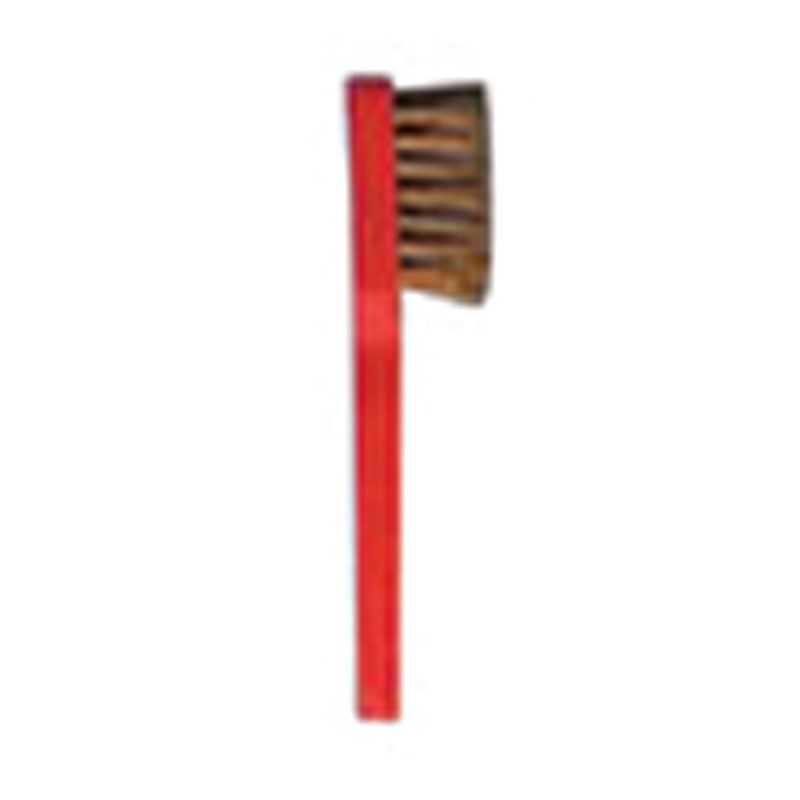
What A Stainless Steel Wire Brush For Grinder Is Used For
A Stainless Steel Wire Brush For Grinder is mainly used for surface cleaning through rotary friction. The brush attaches to a grinder and spins at high speed while wire strands contact the metal surface repeatedly.
The rotating movement loosens unwanted material layer by layer.
Typical cleaning tasks include:
- removing loose rust from metal tools
- clearing oxidation before repainting
- cleaning weld areas before surface finishing
- removing dirt from mechanical joints
- preparing surfaces before coating work
Compared with hand brushing, grinder brushing keeps contact continuous. The user guides angle and pressure while rotation handles repeated surface contact automatically.
In workshop environments, rotary brushing often saves time on uneven surfaces where manual tools struggle to maintain steady cleaning movement.
Can A Stainless Steel Wire Brush Be Used On Aluminum
Aluminum surfaces require more careful handling during rotary brushing because the material is softer than many other metals. Strong pressure or unstable grinder movement may leave visible scratch patterns.
Even so, controlled brushing can still work safely on aluminum in many maintenance situations.
Several habits help reduce surface damage:
- using lighter contact pressure
- keeping the grinder moving steadily
- avoiding long contact in one spot
- selecting softer brushing action for thin surfaces
People cleaning aluminum brackets, frames, or outdoor hardware often notice that slow movement produces cleaner results than aggressive grinding pressure.
The brush is usually more suitable for removing loose oxidation or dirt rather than deep material removal.
Why Cross Contamination Becomes A Problem During Metal Cleaning
Cross contamination is often ignored during basic cleaning work. Tiny metal particles from one surface can stay trapped between wire strands after brushing. Later, those particles transfer onto another metal surface.
The problem becomes more noticeable when stainless steel is cleaned using a brush already exposed to carbon steel or heavily corroded materials.
During operation:
- microscopic residue enters the brush surface
- particles remain attached after cleaning
- later brushing transfers residue onto stainless surfaces
- trapped contamination may react with moisture over time
Many users only notice the issue after rust marks appear unexpectedly on stainless steel parts that originally resisted corrosion.
For that reason, dedicated brushes are often kept separate for stainless steel cleaning tasks.
Which Wire Brush Is More Suitable For Stainless Steel Surfaces
Brush material changes how the cleaning process affects stainless surfaces. Stainless wire generally reduces contamination risk compared with ordinary steel wire during maintenance work.
The goal is not only cleaning performance. Surface condition after cleaning also matters.
A stainless wire brush is commonly used for:
- weld cleaning
- oxidation removal
- surface preparation before finishing
- maintenance of stainless fittings and hardware
Many workers separate brushes by material type instead of using one brush across every task.
Simple storage habits help avoid confusion:
- labeling brushes for specific metals
- separating stainless cleaning tools from general-use brushes
- avoiding mixed storage after heavy rust cleaning
Those habits reduce accidental contamination during later work.
Can Wire Brushes Be Used Safely On Different Metal Types
Wire brushes can clean many metal surfaces safely when the cleaning method matches the material condition. Problems usually appear from excessive pressure, unstable handling, or incorrect brush choice rather than the tool itself.
| Metal Surface | Typical Brushing Reaction | Cleaning Approach |
|---|---|---|
| Carbon steel | tolerates stronger brushing | moderate pressure cleaning |
| Stainless steel | sensitive to contamination | dedicated stainless brush |
| Aluminum | scratches more easily | lighter contact movement |
| Brass and copper | softer surface response | controlled low-pressure brushing |
| Painted metal | coating may peel unevenly | gradual surface cleaning |
Understanding surface behavior often matters more than brushing speed alone.
How Grinder Speed Changes Surface Cleaning Results
Rotation speed influences both cleaning efficiency and surface condition. Faster movement increases friction, though excessive speed may also increase heat and surface stress.
In daily operation, unstable grinder handling creates more problems than slower cleaning speed.
Common effects from uncontrolled speed include:
- overheating on thin metal sections
- deeper scratch marks on soft surfaces
- wire wear increasing more quickly
- uneven cleaning patterns near edges
Steady movement usually produces smoother results than forcing rapid material removal.
Users cleaning old tools or rusted brackets often work in short passes rather than pressing continuously against the surface.
Why Pressure Control Matters During Rotary Brushing
Pressure changes how the wire strands interact with metal. Too little contact may remove only loose dust. Too much force bends wire strands and increases surface scratching.
Controlled pressure helps maintain stable cleaning behavior.
Practical observations during brushing:
- lighter pressure helps preserve surface texture
- excessive force reduces wire flexibility
- stable hand movement improves cleaning consistency
- repeated moderate passes often clean more evenly than one aggressive pass
Many people notice better results once they stop pressing the grinder too hard against the metal.
The brush works through repeated contact rather than heavy cutting force.
How Surface Shape Influences Brushing Movement
Flat metal sections are easier to clean because wire contact remains even during rotation. Curved or narrow surfaces require more careful angle control.
Difficult areas often include:
- pipe edges
- threaded bolts
- chain links
- welded corners
- narrow grooves around brackets
Smaller adjustments in wrist angle help the brush follow irregular surface shapes more naturally.
That becomes important during detail cleaning where surface appearance matters alongside rust removal.
How Plastic Handle Steel Wire Brush Differs From Grinder Use
Not every cleaning task needs a grinder. In many daily situations, a Plastic Handle Steel Wire Brush fits better when control matters more than speed. The movement is manual, pressure comes directly from the hand, and contact with the surface stays easy to adjust in real time.
In practice, hand brushing feels slower, yet it gives clearer feedback from the metal surface. A hinge, a small bracket, or a threaded bolt often needs gentle cleaning rather than fast material removal. Grinder brushing in those areas may remove more than intended.
Typical use patterns for hand brush:
- light rust removal on small tools
- cleaning tight corners near joints
- preparing threaded parts before assembly
- removing dust mixed with oil residue
The difference is not only speed. It is also about how much control remains during contact with the metal surface.
What Safety Habits Matter During Grinder Wire Brushing
A Stainless Steel Wire Brush For Grinder rotates at high speed once attached. Even stable-looking operation can produce unexpected particle movement. Small wire fragments or rust dust may scatter during contact with rough surfaces.
Simple habits reduce risk during everyday use:
- holding grinder with stable two-hand grip
- checking wire condition before starting work
- keeping body slightly away from rotation line
- avoiding sudden pressure changes on surface
- working in open space with clear visibility
Eye protection is commonly used because small debris does not always move in a straight path. It can bounce from curved surfaces or corners.
Clothing also matters. Loose sleeves or dangling fabric may interfere with rotation, especially during work near edges or bolts.
How Wire Wear Changes Cleaning Behavior Over Time
Wire brushes do not stay uniform after repeated use. Each contact with metal gradually bends strands, shortens tips, or spreads sections unevenly. The change is slow, often unnoticed at the beginning.
As wear increases, cleaning behavior also changes:
- rust removal feels less consistent
- pressure distribution becomes uneven
- vibration appears during rotation
- corner cleaning becomes weaker
- surface marks may look irregular
Replacing brushes at the right time keeps cleaning behavior stable and reduces surface inconsistency.
How Balance Influences Grinder Brush Stability
Balance affects how smoothly a wire brush rotates. When wire strands are evenly distributed, motion stays steady and contact with the metal surface feels uniform.
When balance is uneven, rotation may create small vibration patterns. That vibration does not always damage the tool immediately, though it influences surface finish and control.
Stable rotation usually results in:
- smoother cleaning lines on metal
- reduced hand fatigue during longer use
- more predictable pressure on edges
- better control near corners and grooves
Unstable rotation becomes easier to notice when working on thin sheets or polished surfaces.
How China Steel Wire Brush Production Influences Performance
Manufacturing process plays a quiet role in how a brush behaves during real work. In China Steel Wire Brush production, attention is often placed on wire alignment, center balance, and attachment strength.
Small differences in production can affect:
- how evenly wire strands spread during rotation
- how stable the brush feels under pressure
- how long the brush maintains shape during use
- how vibration appears at higher speed
A well-assembled brush tends to rotate smoothly even after repeated use. Uneven structure may feel rough earlier during operation, especially under consistent load.
How Surface Type Changes Cleaning Approach in Real Use
Different metals react differently during brushing. That is why cleaning behavior often changes from one task to another even when the same tool is used.
Practical surface responses:
- carbon steel allows stronger rust removal without quick damage
- stainless steel requires cleaner tools to avoid surface contamination
- aluminum scratches more easily under strong contact
- coated metal surfaces may lose finish under repeated brushing
Because of these differences, users often adjust angle and pressure during operation rather than keeping one fixed method.
Surface feel becomes the main guide during cleaning rather than fixed settings.
Why Cross Contamination Still Happens in Daily Work
Even after cleaning, wire brushes may hold microscopic particles between strands. These particles are not always visible. During later use, they can transfer onto new surfaces.
A common situation occurs when one brush is used on carbon steel, then later used on stainless steel. Small embedded particles may remain inside the wire structure.
Possible effects:
- tiny rust spots appearing on stainless surfaces
- surface discoloration after exposure to moisture
- uneven finish on cleaned parts
Simple habits reduce this issue:
- separating brushes for different metals
- avoiding reuse after heavy rust cleaning
- storing stainless-use brushes separately
- labeling tools by usage category
These steps do not change the tool itself, only how it is managed in daily work.
How Storage and Daily Care Affect Long-Term Behavior
Brush condition does not depend only on usage. Storage also plays a role. Moisture, dust, and pressure during storage can slowly affect wire shape and rotation balance.
Common storage issues:
- wire strands bending under weight
- moisture causing surface oxidation on wires
- debris remaining trapped between strands
- deformation from stacking heavy tools
Simple care habits help maintain usability:
- cleaning debris after each use
- keeping brushes dry before storage
- avoiding heavy pressure on brush head
- checking alignment before next operation
These small actions help maintain stable brushing behavior over time.
Why Technique Matters More Than Force
Many surface problems during brushing do not come from the tool itself, but from how it is used. Strong pressure does not always improve cleaning results. In many cases, it increases surface scratches or shortens wire life.
More stable results usually come from:
- steady movement across the surface
- moderate and controlled pressure
- multiple light passes instead of heavy contact
- adjusting angle based on surface shape
The brush works through repeated contact, not deep cutting force. Letting rotation do the work often leads to more consistent surface results.
A Stainless Steel Wire Brush For Grinder can be used on different metal surfaces, though safe results depend on handling habits, surface awareness, and tool separation practices. Aluminum, stainless steel, and carbon steel all respond differently under rotary contact.
In daily metal cleaning work, stability, control, and surface understanding matter more than aggressive pressure. When used with attention to material behavior, wire brushing remains a practical method for rust removal, surface preparation, and routine maintenance across many common metal parts.

-
 +86-13906791151
-
 sales@sanjiantools.com
-
 No.1 Xinggong Road, Huangzhai Town, Pujiang County, Zhejiang Province, China


Client
Copyright © Zhejiang Pujiang Sanjian Tools Co., Ltd. All Rights  浙公网安备33072602100309号
Reserved.
浙公网安备33072602100309号
Reserved.

Construction Paint Tools Factory