 sales@sanjiantools.com


 中文简体
中文简体 Deutsch
 Español
Why Brass Wire Brush for Rust Removal Works Differently Than Steel Brushes
Rust removal may look like a simple brushing task, although the result depends greatly on what kind of wire touches the surface. A brush needs enough contact with the rust to loosen unwanted material, while the underlying surface still needs to remain in reasonable condition. Wire material influences both sides of that process.
Brass wire and steel wire behave differently when pressed against a metal surface. Steel wire generally feels firmer during brushing, making it suitable for work where a stronger brushing action is needed. Brass wire has a different level of flexibility and surface contact, so it can provide a gentler approach when the base material needs more care.
Rust itself is not always uniform. Loose flakes can often be removed with relatively little effort, while tightly attached areas may need repeated brushing. A brush that works well on loose rust may not be suitable for a surface where stronger contact is required.
Surface condition should therefore be considered together with the wire material. A metal part with a delicate finish may need a different cleaning approach from a rough structural component. Choosing a brush simply because it removes rust quickly can overlook the condition of the material underneath.
Several factors can guide the initial choice:
- Condition and thickness of the rust
- Hardness of the surface being cleaned
- Whether scratches are acceptable
- Shape and size of the work area
- Amount of brushing pressure required
A Brass Wire Brush For Rust can be useful where rust needs to be loosened without applying an unnecessarily harsh brushing action. Steel brushes have their own place when stronger surface contact is required. Neither material needs to be treated as a universal option because cleaning conditions vary from one job to another.
How Does Brass Wire Behave When Cleaning Rust
Brass wire has a relatively flexible feel during manual brushing, which changes how contact is made with a rusty surface. Rather than relying only on strong pressure, the brush can work through repeated contact as the wires pass across loose or lightly attached rust.
When brushing a metal surface, individual wires bend as they meet uneven areas. Such movement allows the brush to follow small changes in the surface rather than pressing against one fixed point. For parts with curves, edges, or uneven areas, that behavior can make manual cleaning easier to control.
A Brass Wire Brush For Rust is often considered when the goal involves removing surface rust while keeping the underlying material in reasonable condition. Light brushing can lift loose residue, while repeated passes may gradually loosen material that is more firmly attached.
Pressure still matters. Pressing harder does not automatically produce a better cleaning result. Excessive force can flatten the wires more quickly and may cause unwanted marks on a softer surface. A steady hand and moderate brushing movement can provide better control.
Brush angle can change the way the wires meet the surface as well. Holding the brush in a consistent position helps distribute contact across the working area instead of concentrating pressure on one small section.
For everyday cleaning, a simple approach works well:
Inspect the surface → Remove loose residue → Brush gently → Check the result → Repeat where needed
Such a process gives the operator an opportunity to stop once the unwanted rust has been removed, rather than continuing to work the base material unnecessarily.
What Makes Steel Brushes Different From Brass Brushes
Steel brushes generally provide a firmer brushing action because their wires resist bending more strongly during contact. Such a characteristic can be useful when rust or surface residue is firmly attached and requires greater mechanical action to loosen.
A steel brush can remove stubborn material through repeated contact, although the stronger brushing action may leave marks on surfaces that are relatively soft or have a finish that needs to remain intact. For that reason, steel wire should be selected with attention to the material underneath the rust.
Brass wire takes a different approach. Its softer and more flexible behavior can make it easier to control on surfaces where aggressive brushing is unnecessary. Cleaning may take more passes when rust is firmly attached, yet the softer contact can be useful when surface condition matters.
The choice becomes clearer when the cleaning purpose is considered. Removing thick residue from a rough metal component creates different requirements from cleaning light rust from a smaller finished part.
| Cleaning Condition | Brass Wire | Steel Wire |
|---|---|---|
| Loose surface rust | Suitable for gentle brushing | Suitable when stronger contact is needed |
| Light rust on a sensitive surface | Useful for controlled cleaning | May require greater care |
| Firmly attached rust | May need repeated passes | Stronger brushing action may help |
| Uneven or narrow areas | Flexible contact can be useful | Firm wires may require more control |
| Surface appearance matters | Gentler brushing may be preferred | Check for possible surface marks |
Neither brush should be chosen without considering the base material. A strong brushing action can save effort on one surface and create unnecessary damage on another.
How Can Brass Wire Help Protect Delicate Surfaces
Rust removal creates a balance between taking away unwanted material and preserving the surface underneath. A cleaning tool that is too harsh can affect more than the rust, especially when the base material is relatively soft.
Brass wire offers a less forceful contact compared with steel wire. During brushing, the wires can bend against the surface, which may make the cleaning action easier to control. Such behavior can be useful around edges, curved areas, and parts where visible scratches would be undesirable.
Pressure remains one of the main factors. Even a relatively gentle brush can leave marks when used with excessive force or repeated concentrated brushing. Moving across the work area rather than staying on one small spot can help spread the cleaning action.
Surface condition should be checked during the process. Once loose rust has been removed, continuing to brush the same location with unnecessary pressure may provide little benefit. A short inspection can show whether more work is actually needed.
A practical brushing method can include:
- Start with light pressure
- Follow the shape of the surface
- Keep the brush moving across the working area
- Check the surface after several passes
- Increase brushing effort only when the rust remains firmly attached
Such control makes a Brass Wire Brush For Rust a practical option for cleaning tasks where the condition of the underlying surface matters alongside rust removal.
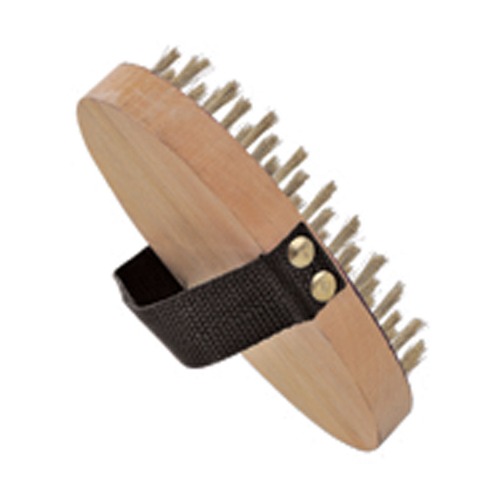
When Is a Brass Wire Brush For Rust a Practical Choice
A brass wire brush can fit cleaning work where rust is present on a surface that needs relatively careful treatment. Light surface rust, loose residue, and areas around small parts can often benefit from a controlled brushing method.
Small components may have corners or narrow sections that are difficult to reach with larger cleaning tools. A hand brush with flexible wires can follow such areas without requiring heavy pressure.
Maintenance work can present similar conditions. A part may not need a forceful cleaning process because only a small amount of rust has formed. Using a stronger brush in such a situation may remove more surface material than necessary.
A practical choice depends on three basic questions:
- How firmly is the rust attached?
Loose rust needs less mechanical force, while firmly attached areas may require more repeated work. - How sensitive is the base surface?
A surface that needs to retain its appearance or texture may benefit from gentler contact. - Where is the rust located?
Edges, corners, narrow gaps, and curved sections can call for a brush that is easy to control by hand.
Looking at all three conditions gives a more useful basis for selecting a cleaning tool than focusing on rust alone.
How Does Rust Condition Affect Brush Selection
Rust can appear in several forms, and each condition changes how much brushing is required. A loose layer may come away with light contact, while a firmly attached layer can remain on the surface after several gentle passes.
Thin surface residue generally does not require the same brushing action as heavier buildup. Starting with a moderate approach allows the operator to see how easily the rust separates. More pressure can be considered later when the surface condition allows it.
The relationship between rust and the base material matters as well. Rust that has formed on an uneven or damaged area may be harder to remove evenly because the brush cannot make the same contact across every section.
A cleaning task can become easier when the surface is inspected before brushing. Look for loose flakes, firmly attached areas, corners, edges, and sections where the original surface may already be worn.
For simple selection, rust conditions can be viewed in three groups:
- Loose rust: usually needs gentle brushing and limited pressure
- Lightly attached rust: may require several controlled passes
- Firm rust: may call for a stronger brush or a different cleaning method
A Wire Brush Cleaning Tool should match both the rust and the material underneath it. Starting with a suitable level of brushing force helps reduce unnecessary wear on the part and gives the operator greater control over the cleaning process.
What Role Does Brush Shape Play in Rust Removal
Wire shape affects how easily a brush reaches the area that needs cleaning. A flat hand brush can cover an open surface with steady strokes, while a smaller brush may be easier to handle around corners, edges, and narrow spaces.
For curved parts, brush contact can change as the surface moves away from a flat plane. Flexible wires can follow small changes in shape, allowing the operator to work across an uneven area without pressing heavily on one spot.
Narrow gaps require another approach. A large brush may touch surrounding areas before reaching the rust, making cleaning less controlled. A smaller Wire Brush Cleaning Tool can give better access where space is limited.
Brush wire length and arrangement influence contact as well. Longer wires can bend more during use, while shorter wires tend to feel firmer. Choosing between them depends on how much control and brushing pressure the cleaning task requires.
Rather than selecting a brush according to shape alone, consider the actual work area:
- Open and flat surfaces need broad contact
- Corners need easier directional control
- Narrow gaps need a smaller working area
- Curved surfaces benefit from flexible contact
- Edges require careful pressure control
A suitable shape makes manual cleaning easier because the operator can reach the rust without forcing the brush into an awkward position.
How Should a Wire Brush Cleaning Tool Be Used on Rust
Good results depend partly on how the brush is handled. Pressing hard from the beginning can flatten the wires and may affect the surface underneath the rust. A lighter starting pressure gives a clearer idea of how firmly the rust is attached.
Brush movement should cover the affected area rather than staying in one small location for a long period. Repeated strokes across the surface can gradually loosen residue while giving the operator a chance to check progress.
Before brushing, loose dirt and debris should be removed. Doing so prevents unnecessary material from getting between the wires and the surface, which can make cleaning less controlled.
During use, watch for changes in the surface. Once rust has been removed, continued brushing may no longer provide a useful purpose. Stopping at the appropriate point helps preserve the original condition of the part.
A simple working routine can be:
Clean the loose debris → Start with light pressure → Brush across the rusted area → Inspect the surface → Repeat only where needed
Protective measures should be considered during brushing, especially when loose particles or wire fragments may be produced. The surrounding work area should remain clear so that removed material does not create another cleaning problem.
What Problems Can Come From Using the Wrong Brush
A brush that does not match the surface can create problems even when it removes rust. Steel wire, for example, may be unnecessarily harsh on a softer surface, while brass wire may require too much effort when a heavy rust layer needs stronger mechanical contact.
Surface scratches are one possible result. Repeated brushing with excessive pressure can change the appearance of the underlying material, particularly around exposed edges or finished areas.
Uneven cleaning can occur as well. A brush that is too large for a narrow area may fail to reach recessed sections, leaving rust behind while surrounding areas receive repeated contact.
Brush wear is another concern. Using a brush against material that requires more force than the wire can reasonably handle may cause the wires to bend or wear more quickly. A worn brush can behave differently from a new one, changing the way it contacts the surface.
Tool selection can therefore be viewed through three simple questions:
- What needs to be removed?
- What surface needs to remain afterward?
- How much brushing force is actually required?
Such questions help prevent unnecessary pressure and make the cleaning process easier to control.
How Should Brass and Steel Brushes Be Compared for Different Tasks
Brass and steel brushes serve different cleaning situations. Brass wire is often considered when surface care is important and the rust is not so firmly attached that strong brushing is needed. Steel wire may be considered when heavier contact is required and the base material can tolerate a stronger brushing action.
A Brass Wire Brush For Rust can be useful for light rust, loose residue, and smaller components where controlled cleaning matters. Steel brushes can suit rougher surfaces or areas where firmly attached residue needs greater mechanical effort.
Neither choice should be based only on the amount of rust. Surface material, shape, accessibility, and the desired condition after cleaning all have a role.
A practical comparison can follow this order:
Rust condition → Base surface → Work area → Required pressure → Brush material
Such a process keeps the focus on the actual cleaning task rather than assuming one brush can handle every situation.
How Can Brush Condition Affect Cleaning Results
A Wire Brush Cleaning Tool changes gradually through use. Wires can become bent, shortened, or clogged with removed material, affecting how the brush contacts a surface.
A brush with heavily bent wires may no longer reach the work area in the same way. Residue caught between the wires can reduce useful contact, while excessive wear may make brushing less consistent.
Cleaning the tool after use can help remove loose particles and keep the wires in a usable condition. Storage should keep the brush away from unnecessary moisture and contamination so that the tool is ready for its next task.
Regular inspection is simple. Check whether the wires remain reasonably even, whether debris has collected around the brush, and whether the handle or connection remains secure.
Choosing a Brass Wire Brush For Rust is only part of the cleaning process. Matching the brush to the rust condition, surface material, work area, and required pressure has a direct effect on how controlled the work feels. Proper handling and basic care then help maintain a consistent brushing action during repeated cleaning tasks.

-
 +86-13906791151
-
 sales@sanjiantools.com
-
 No.1 Xinggong Road, Huangzhai Town, Pujiang County, Zhejiang Province, China


Client
Copyright © Zhejiang Pujiang Sanjian Tools Co., Ltd. All Rights  浙公网安备33072602100309号
Reserved.
浙公网安备33072602100309号
Reserved.

Construction Paint Tools Factory