 sales@sanjiantools.com


 中文简体
中文简体 Deutsch
 Español
Steel Wire Brush in Metal Care
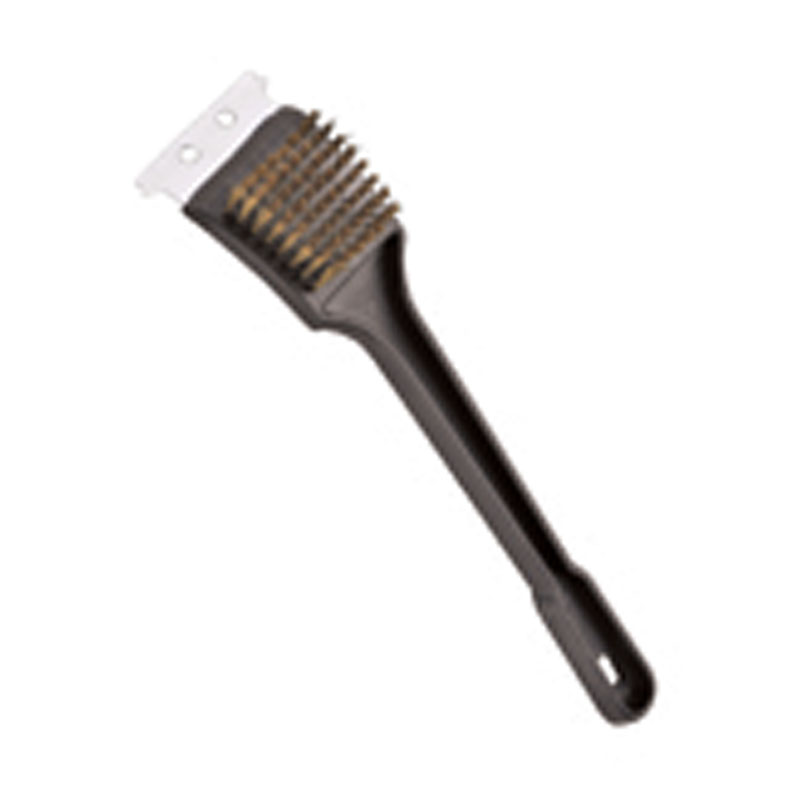
In workshops, garages, and home projects worldwide, the Steel Wire Brush serves as a practical tool for metal maintenance and surface preparation. From removing rust and old paint to preparing surfaces for welding or coating, this tool supports both professional and DIY applications. Its ability to restore metal parts, clean machinery, and maintain tools makes it an important item in any workspace.
Applications of Steel Wire Brushes
Steel wire brushes are widely used across different settings due to their versatility:
- Rust and paint removal: Efficiently cleans surfaces by removing corrosion, oxidation, or old coatings.
- Surface preparation: Prepares metals for painting, powder coating, or welding, ensuring better adhesion and finish.
- Maintenance of machinery and tools: Removes debris, scale, and residue from equipment parts to extend their working life.
- Home and DIY projects: Useful for cleaning garden tools, grills, fences, metal furniture, or even restoring small appliances.
Types and Material Options
Selecting the right brush type and wire material is key to achieving the results. The following table summarizes common options:
| Wire Material | Common Use | Notes |
|---|---|---|
| Carbon steel | General rust or paint removal | Hard bristles suitable for durable metals |
| Stainless steel | Stainless or non-ferrous metals | Resists corrosion, ideal for delicate surfaces |
| Zinc-coated steel | Outdoor tools or wet environments | Provides extra rust protection |
Brushes vary in form and design, from handheld and long-handled versions to wire-wheel attachments for power tools. Wire diameter and density affect cleaning efficiency and the risk of surface scratching, making material selection important.
Safety and Usage Considerations
Using a steel wire brush requires attention to safety. Bristles may detach during use, creating a risk for the operator and surrounding surfaces. Key precautions include:
- Wearing gloves and eye protection.
- Checking brushes for wear or broken wires before each use.
- Avoiding high-speed operation on soft or reactive metals to prevent embedding wire fragments.
- Keeping brushes dry after use to prevent corrosion.
| Safety Practice | Recommendation |
|---|---|
| Protective equipment | Gloves, eye protection, optional face shield |
| Tool inspection | Regularly check wire condition |
| Surface compatibility | Match brush type to material hardness |
| Storage | Dry, ventilated area to prevent rust |
Practices and Maintenance
Proper use extends the life of the brush and protects surfaces:
- Match wire type to task: Carbon steel for heavy rust, stainless steel for delicate metals.
- Use appropriate brush form: Handheld brushes for small areas, wire wheels or rotary brushes for larger surfaces.
- Post-cleaning care: Clean and dry the brush after use, store in a dry environment, and inspect for wear before next use.
- Complementary tools: For sensitive metals, follow up with soft abrasives or nylon brushes to remove embedded fragments and achieve a smooth finish.
Benefits of Using Steel Wire Brushes
- Efficiency: Steel wire brushes significantly reduce the time and effort required for cleaning and surface preparation compared to sanding, grinding, or chemical treatments. The bristles can reach uneven surfaces, crevices, and intricate parts, removing rust, paint, or oxidation layers more quickly than manual scraping. In industrial settings, this translates into faster maintenance cycles and improved workflow for machinery, tools, and metal components. For home users, tasks such as restoring garden tools, cleaning grills, or refurbishing metal furniture are completed with less physical strain and fewer steps.
- Versatility: One of the main advantages of steel wire brushes is their adaptability across a wide range of metals and applications. Carbon steel, stainless steel, and zinc-coated wire brushes can be selected based on the type of metal being treated, ensuring compatibility and protecting surface integrity. The brushes are effective for both heavy-duty industrial applications, such as cleaning welded joints or machine parts, and smaller-scale household projects, including maintenance of hand tools, appliances, and decorative metalwork.
- Durability: When properly maintained, steel wire brushes offer consistent performance over an extended period. Regular cleaning after use, drying, and proper storage help prevent corrosion and prolong the life of the bristles.
- Cost-effectiveness: Steel wire brushes provide a practical solution with a relatively low initial investment while offering long-term usability. Their durability and multi-purpose nature mean that a single brush can be used for multiple tasks across different settings, from industrial workshops to household projects. This reduces the need for multiple specialized tools, offering an economical option for businesses and individuals alike.
Conclusion
The Steel Wire Brush remains a practical and versatile tool for maintaining and restoring metal surfaces.

-
 +86-13906791151
-
 sales@sanjiantools.com
-
 No.1 Xinggong Road, Huangzhai Town, Pujiang County, Zhejiang Province, China


Client
Copyright © Zhejiang Pujiang Sanjian Tools Co., Ltd. All Rights  浙公网安备33072602100309号
Reserved.
浙公网安备33072602100309号
Reserved.

Construction Paint Tools Factory