 sales@sanjiantools.com


 中文简体
中文简体 Deutsch
 Español
Painting Tools Are Shaping Everyday Renovation Choices
Painting Tools are increasingly influencing how homeowners and professionals approach renovation projects. As interior updates become more common, attention has shifted from paint selection alone to the tools that affect efficiency, surface quality, and long-term results. This growing focus places Painting Tools within broader conversations about practical renovation planning and everyday execution.
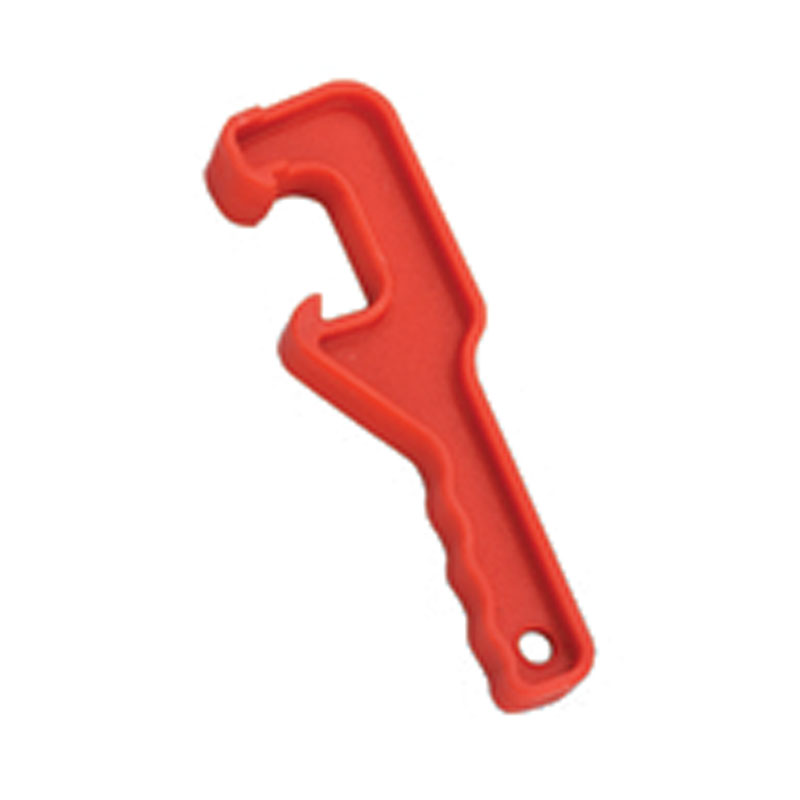
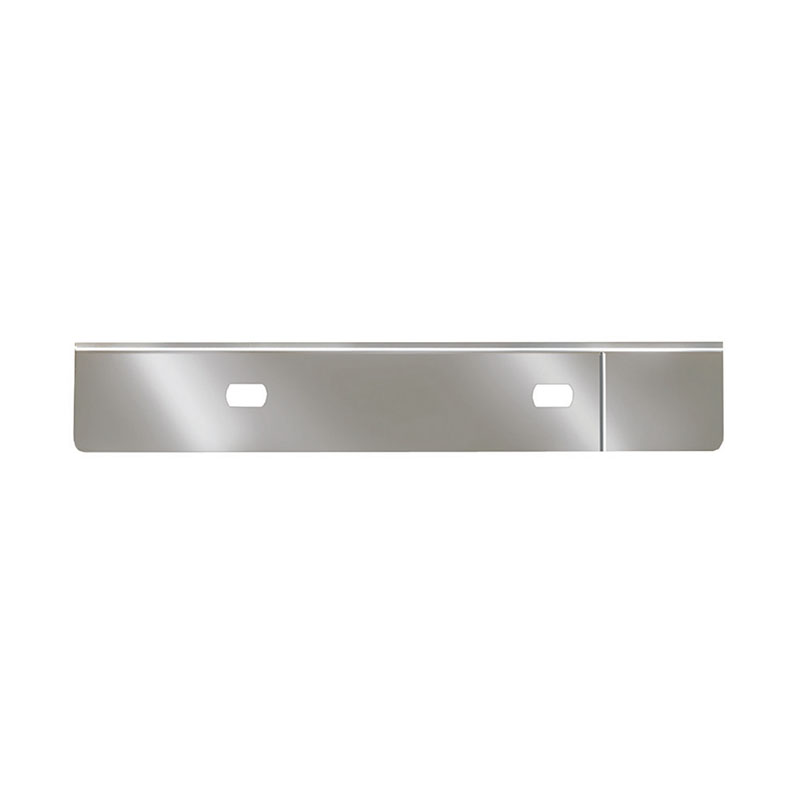
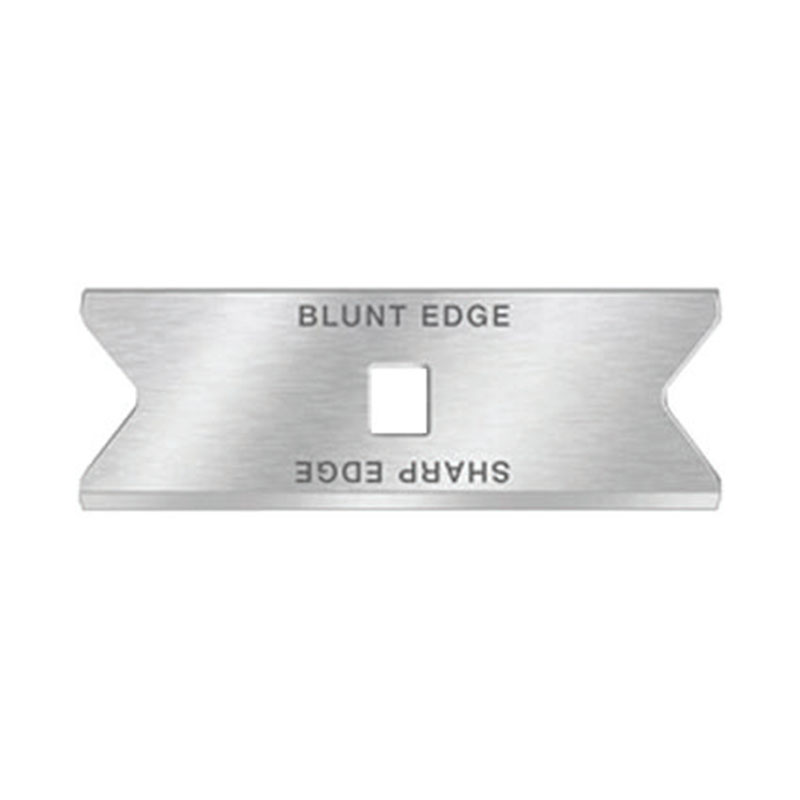
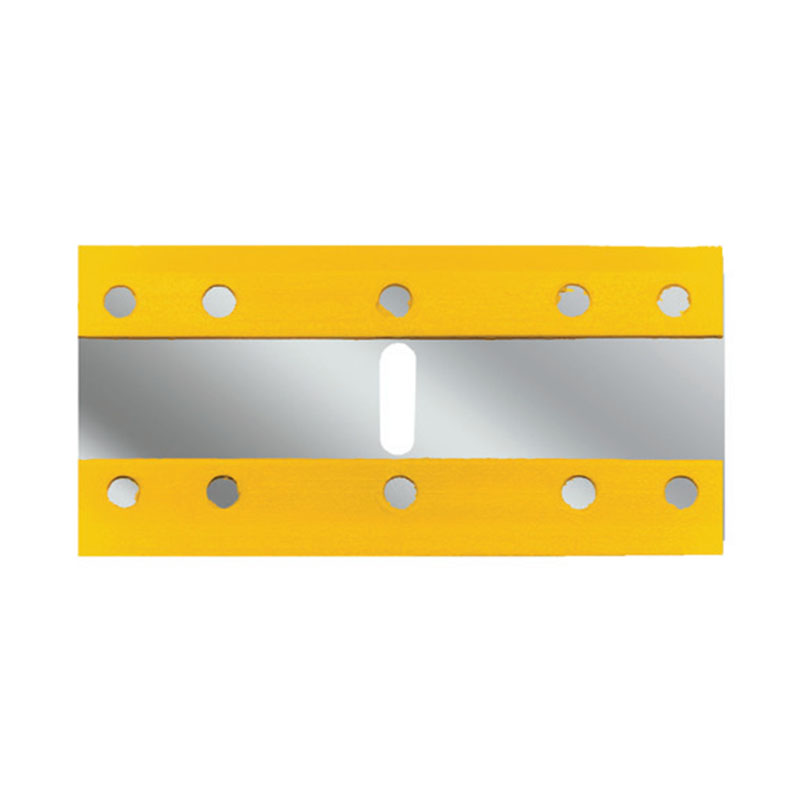
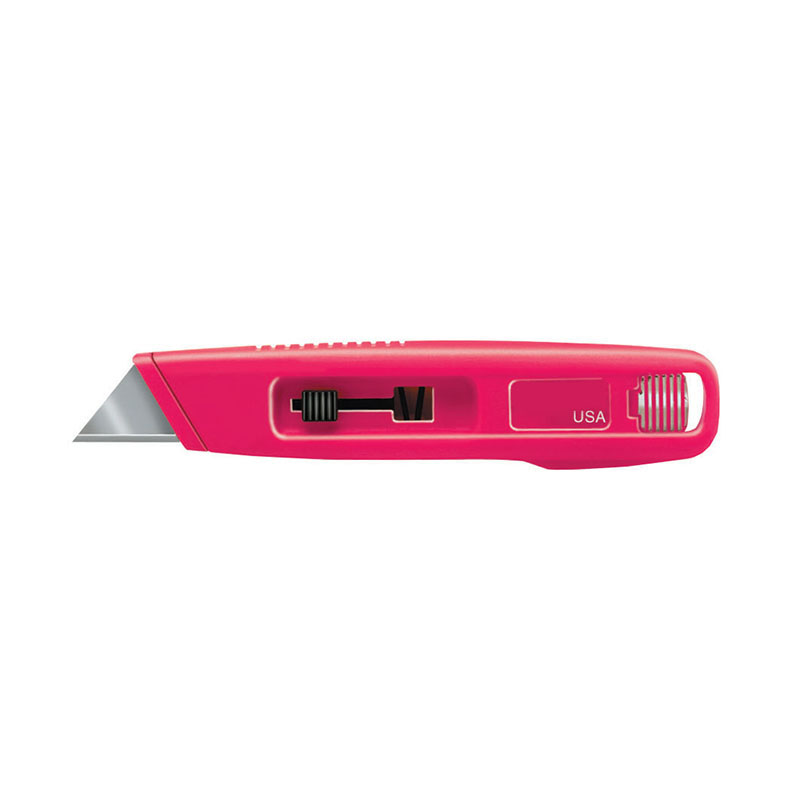
Surface preparation now plays a central role in achieving stable paint performance. Construction observations show that a significant portion of paint failures result from inadequate preparation rather than product choice. Tools such as scrapers, rollers, edging guides, and surface-cleaning brushes help remove residue and create a consistent base. With suitable Painting Tools, repainting intervals can be extended and corrective work reduced. In many renovation projects, preparation work now takes up more time than the painting itself, especially in lived-in spaces.
Comfort has also become an important consideration as more individuals handle renovation tasks on their own. Tools with ergonomic grips, balanced weight, and adjustable components are increasingly common. Retail performance data suggests that user-friendly designs support longer working sessions and steadier results, particularly on walls and ceilings where repetitive motion is unavoidable. Improved comfort allows users to maintain consistent application without frequent pauses.
Application control remains another practical focus. Painting Tools such as angled brushes and microfiber rollers allow better management of edges, corners, and overlapping areas. In both professional and home environments, steady application helps reduce uneven drying and visible patching. Better control also limits over-application, which can lower paint consumption and reduce the need for touch-ups.
Renovation planning now often includes workflow organization. Many users arrange projects by task order, selecting Painting Tools according to surface type, room size, and drying requirements. This approach helps reduce interruptions and supports smoother project pacing, especially when renovations take place in occupied homes.
Sustainability also influences purchasing behavior. Reusable Painting Tools that maintain performance after repeated cleaning are frequently chosen over disposable options. This aligns with broader efforts to reduce renovation-related waste while managing material costs more carefully over time.
At the same time, versatility has become a valued feature. Painting Tools designed for use on wood, metal, and masonry allow users to complete smaller projects without purchasing multiple specialized items. This flexibility supports practical renovation goals and simplifies tool storage.
Renovation outcomes depend not only on color selection but also on how coatings are applied. As planning becomes more deliberate, Painting Tools continue to shape renovation efficiency and finish quality through everyday use.
FAQ
Q1: Do Painting Tools affect paint longevity?
Yes, appropriate tools support better adhesion and more even application.
Q2: Are these tools suitable for non-professionals?
Most are designed to be manageable for a wide range of users.
Q3: How can Painting Tools be maintained?
Thorough cleaning after each use helps maintain performance.
Q4: Can the same Painting Tools be used for different paint types?
Many tools work with both water-based and oil-based coatings when cleaned properly between uses.
Q5: How should Painting Tools be selected for small renovation projects?
Selection is often based on surface size, texture, and access points rather than paint volume.
Q6: Do higher-quality Painting Tools reduce overall project time?
Well-designed tools can support steadier application and help reduce rework and interruptions.

-
 +86-13906791151
-
 sales@sanjiantools.com
-
 No.1 Xinggong Road, Huangzhai Town, Pujiang County, Zhejiang Province, China


Client
Copyright © Zhejiang Pujiang Sanjian Tools Co., Ltd. All Rights  浙公网安备33072602100309号
Reserved.
浙公网安备33072602100309号
Reserved.

Construction Paint Tools Factory