 sales@sanjiantools.com


 中文简体
 Deutsch
 Español
How to Balance Scraping Efficiency and Surface Protection When Using Scrapers & Blades
Removing a stubborn adhesive layer from glass is very different from scraping dried paint off a metal component. Use too much force, and the substrate may be scratched or gouged. Use a blade that is too soft or blunt, and the job takes longer while the operator applies more pressure.
This trade-off comes up regularly in manufacturing, construction, equipment maintenance and material processing. Scraper performance depends not only on blade sharpness but also on its material, edge profile and the surface being cleaned. Choosing the right Scrapers & Blades starts with understanding what needs to be removed and what must remain undamaged.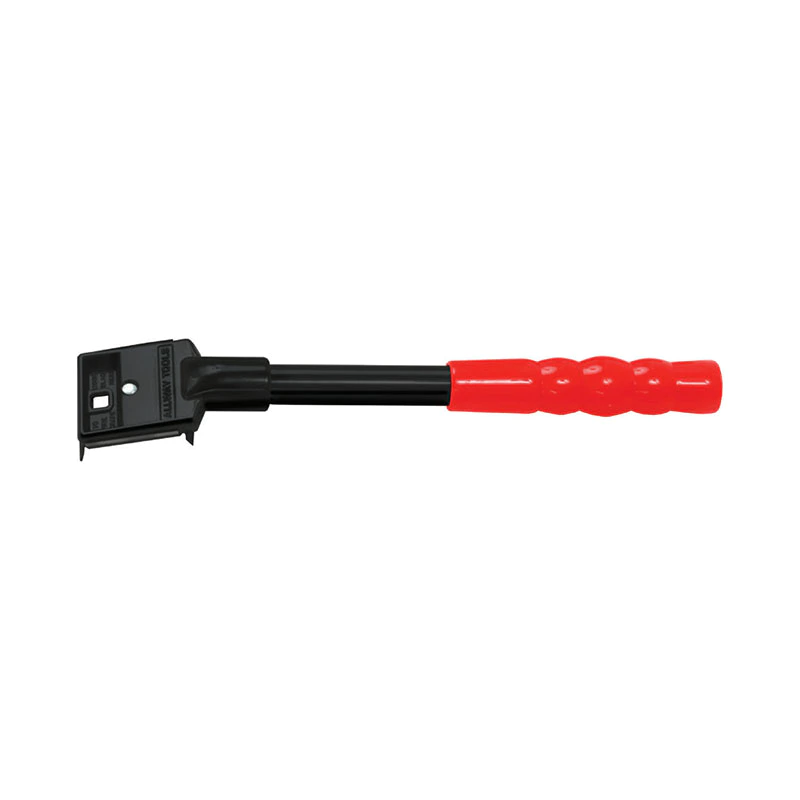
Why the Blade and Surface Must Be Considered Together
A blade does not work in isolation. Its edge separates unwanted material from the substrate, and the force required depends on the bond between the two materials.
A sharp blade can cut through adhesive or hardened residue with relatively little pressure. However, the same sharp edge can leave permanent marks on a soft plastic panel or painted surface. A blunt blade may seem less aggressive, but operators often compensate by pressing harder, which creates another risk of damage.
Several variables influence the result:
- Blade sharpness: Determines how easily the edge penetrates or separates the unwanted material.
- Scraping angle: Changes the direction and concentration of force.
- Applied pressure: Excessive force can cause scratches, deformation or gouging.
- Substrate hardness: Glass, plastic, painted metal and polished surfaces respond differently to contact.
- Scraping speed: Fast strokes save time but can make it harder to control the blade.
A tool that works well on an uncoated steel surface should never be assumed safe for a painted panel or decorative finish.
Which Blade Material Should You Use?
The material affects edge retention, corrosion resistance and the type of work a blade can handle.
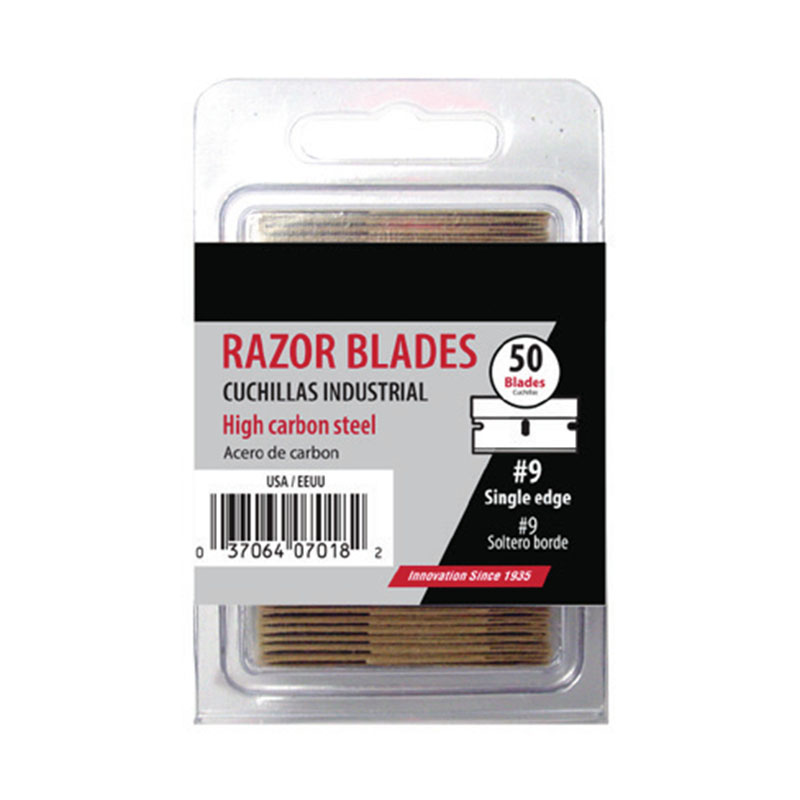
Carbon steel is a common choice for general scraping. It can provide a sharp working edge and is suitable for removing adhesives, coatings and hardened residues. Its main drawback is corrosion, particularly when tools are stored in damp environments or exposed to cleaning chemicals.
Stainless steel is useful where moisture and frequent cleaning are part of daily work. Corrosion resistance varies with the grade, and buyers should also check hardness and edge quality rather than judging performance by the stainless steel designation alone.
Tungsten carbide is considerably harder and offers good wear resistance. It can be useful when removing tough deposits or carrying out repetitive scraping operations. The trade-off is brittleness: a carbide edge can chip if dropped or subjected to unsuitable impact.
Plastic blades are often preferred for delicate finishes. They are less likely than metal blades to scratch certain substrates, although they cannot withstand the same cutting loads and may wear quickly against hard deposits.
Edge Shape Changes How the Scraper Works
Even when two blades use the same material, their geometry can produce different results.
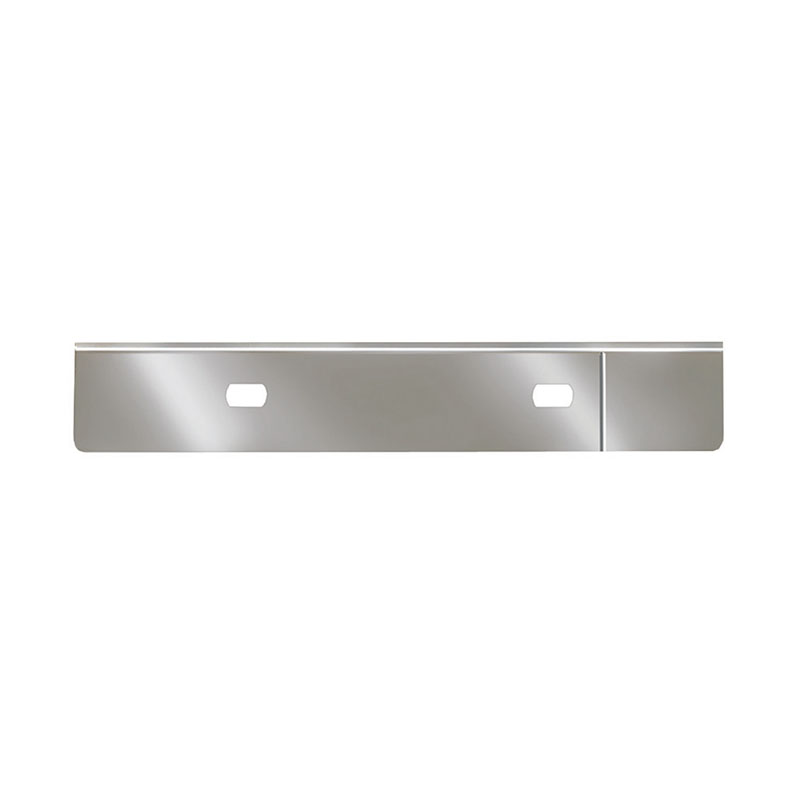
A straight blade suits ordinary flat-surface scraping. An angled design can reach corners and confined areas without requiring the operator to hold the tool in an awkward position. Flexible blades follow curved surfaces more easily, whereas rigid blades are useful when greater support is needed to remove thick material.
Edge profiles also deserve attention:
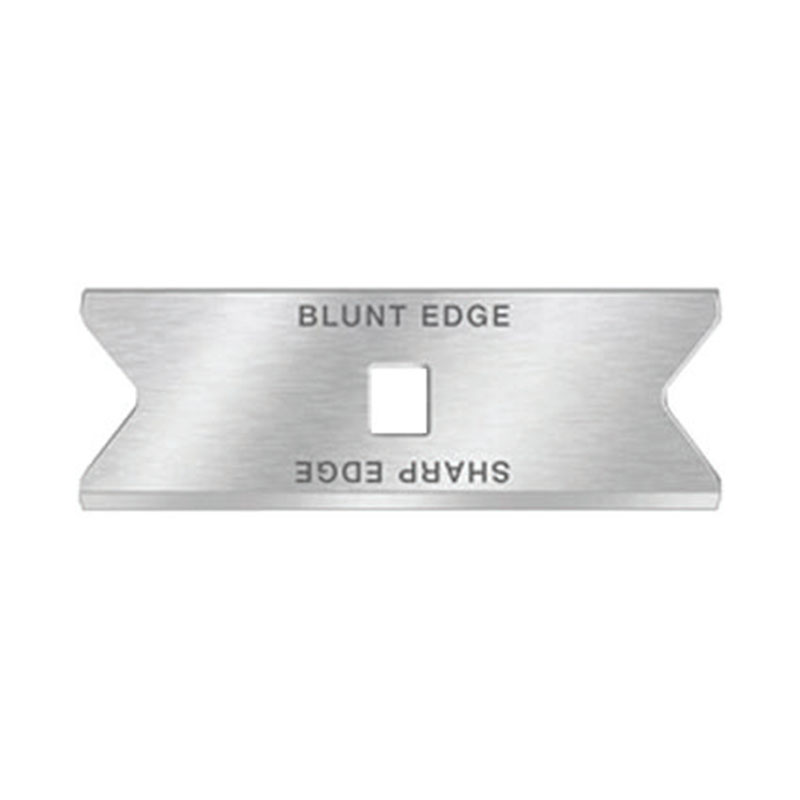
- Sharp edges help separate firmly bonded residues.
- Rounded edges are often preferable when accidental penetration into a soft substrate is a concern.
- Beveled edges affect how the blade enters the material and distributes force.
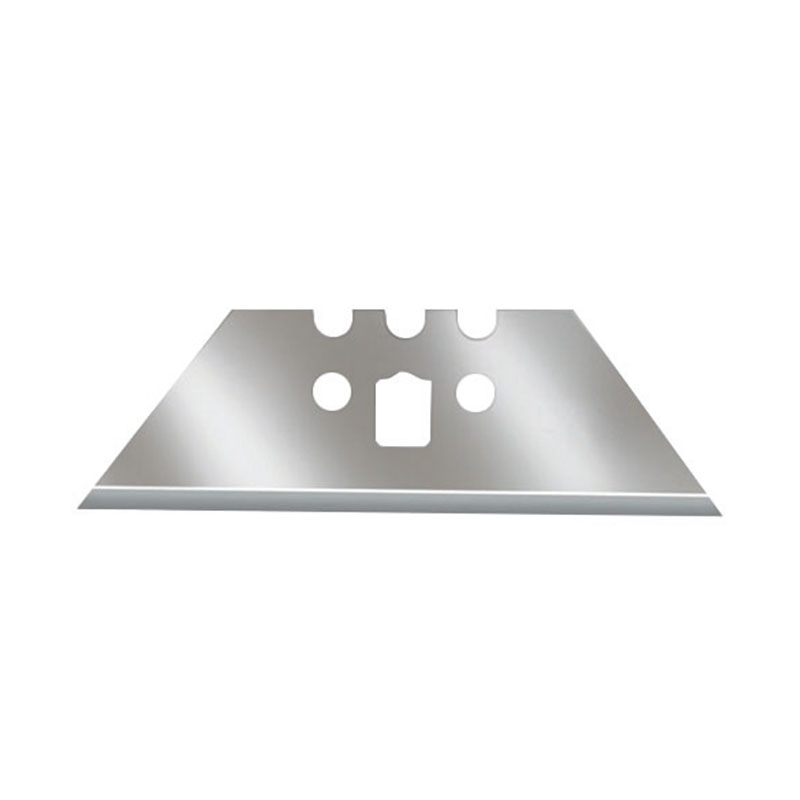
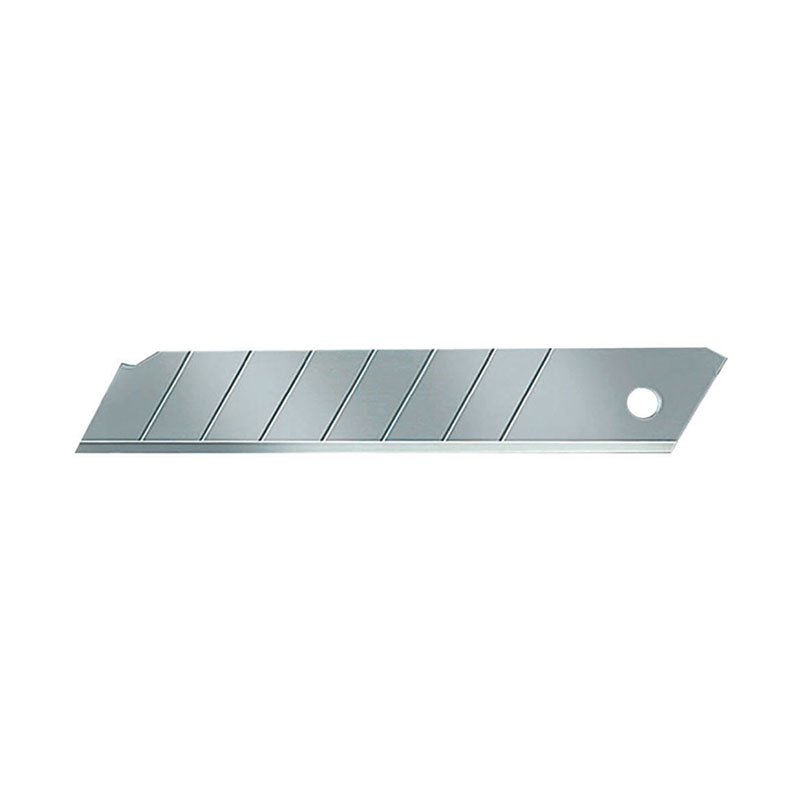
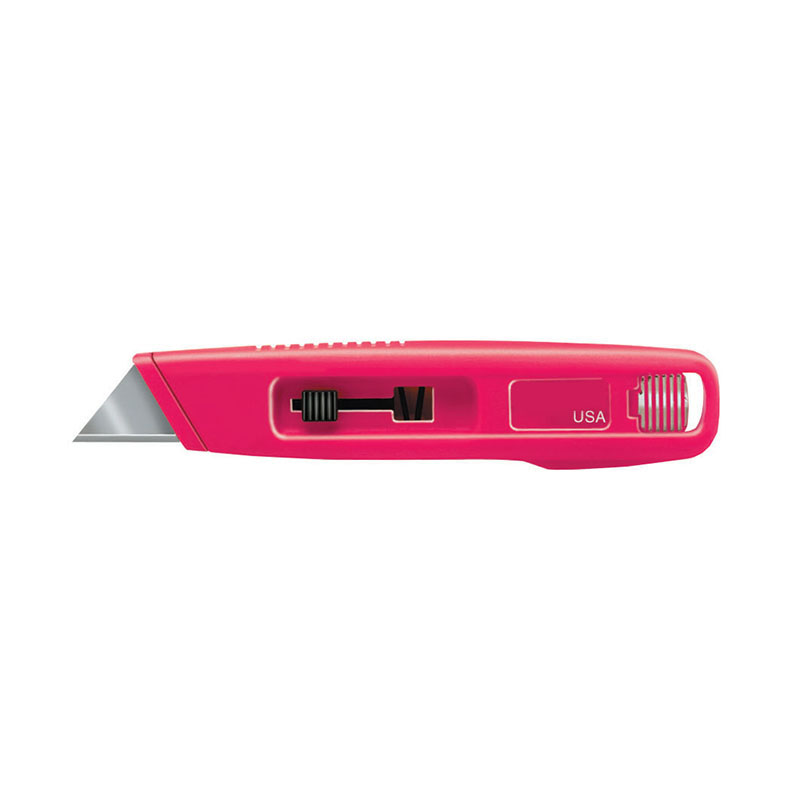
- Replaceable blades allow worn edges to be changed without replacing the entire tool.
Consider a glass-cleaning operation. A suitable metal blade may remove adhesive effectively, provided the glass surface and coating are compatible with the tool. The same blade could damage a plastic panel. Tool selection must account for both the residue and the material underneath it.
Adjust the Scraping Technique Before Applying More Force
Operators sometimes increase pressure when a deposit refuses to come away. That may remove the material, but it can also damage the substrate or accelerate blade wear.
Start with a controlled stroke and relatively light pressure. Increase force only when the surface and blade are suitable. A shallow blade angle is often easier to control on delicate surfaces, while a steeper angle may help penetrate thicker deposits but carries a greater risk of gouging.
A few simple habits make a difference:
- Test the blade on an inconspicuous area before working across the full surface.
- Remove loose particles from the work area and blade edge.
- Use steady strokes rather than sudden, forceful movements.
- Avoid twisting the blade while its edge is in contact with the substrate.
- Replace blades with chipped, bent or badly worn edges.
- Follow material-specific instructions for coated glass, plastics and painted components.
Comparing Common Scraper Blade Types
| Blade type | Main advantage | Potential limitation | Typical application |
|---|---|---|---|
| Carbon steel | Sharp edge and general-purpose performance | Can corrode | Adhesive and coating removal |
| Stainless steel | Better corrosion resistance | Properties vary by grade | Cleaning and maintenance work |
| Tungsten carbide | High hardness and wear resistance | Can chip under impact | Tough industrial deposits |
| Plastic | Lower risk of scratching certain delicate surfaces | Limited cutting strength | Plastic panels and sensitive finishes |
| Flexible metal | Follows curved surfaces | Less rigid under pressure | Curved components and detailed scraping |
These are general material characteristics. Actual performance also depends on blade thickness, heat treatment, edge finish and tool construction.
When Preparation Can Save Time
Some deposits are difficult to remove because they have become hard or strongly bonded to the substrate. In these cases, preparing the surface may be more effective than changing to a more aggressive blade.
An approved solvent can soften certain adhesive residues before scraping. Controlled heating may help with some coatings or bonded materials, provided the substrate can tolerate the temperature.
Compatibility needs to be checked first. Solvents and heat can discolor paint, deform plastic or damage protective coatings. Operators should also follow the relevant chemical handling and workplace safety procedures.
Keep the surface clean during the job. Small particles trapped beneath a blade can act as abrasives, leaving scratches even when the blade material itself is suitable.
Blade Inspection and Replacement
A blade that has lost its edge often causes more problems than one that is visibly damaged. Operators may need to press harder, make repeated passes or change the scraping angle, resulting in inconsistent work.
Check blades regularly for chips, cracks, corrosion and deformation. Remove adhesive buildup after use, store sharp edges in protective holders and replace blades when removal performance becomes unreliable.
For bulk purchasing, buyers should inspect blade dimensions, material grade, hardness where specified, edge consistency and corrosion protection. Testing samples on the actual substrate is also useful, particularly when the tools will be used repeatedly in production.
Buy for the Material Being Scraped
There is no single scraper blade that performs equally well on glass, plastic, steel and painted surfaces. Tough deposits may call for a harder metal edge, while delicate finishes often require plastic or a more flexible tool.
When purchasing Scrapers & Blades, specify the substrate, type of residue and working conditions. These details give suppliers a clearer basis for recommending blade materials and edge designs. A short trial on representative material can also reveal problems that product specifications alone may not show.

-
 +86-13906791151
-
 sales@sanjiantools.com
-
 No.1 Xinggong Road, Huangzhai Town, Pujiang County, Zhejiang Province, China


Client
Copyright © Zhejiang Pujiang Sanjian Tools Co., Ltd. All Rights  浙公网安备33072602100309号
Reserved.

Construction Paint Tools Factory