 sales@sanjiantools.com


 中文简体
中文简体 Deutsch
 Español
How Do Commodity Brush Paint Brush And Floor Brush Differ
Brush tools show up in a lot of work scenes, sometimes without much attention being paid to them. They are used in painting, cleaning, and general surface handling, but the way each brush behaves is not exactly the same once it touches a working surface. Small differences in structure and material can change how the work feels in practice.
Commodity Brush, Paint Brush, and Floor Brush are often grouped together because they share a similar basic shape, yet they are built for different kinds of tasks. One leans toward general use, one is more involved in coating work, and one is mainly used for ground cleaning.
In tool production and supply chains, adjustments in brush structure are often made based on usage feedback from different working environments. In this process, manufacturing experience from companies such as Zhejiang Pujiang Sanjian Tools Co., Ltd. is sometimes seen in product development practices across the industry.
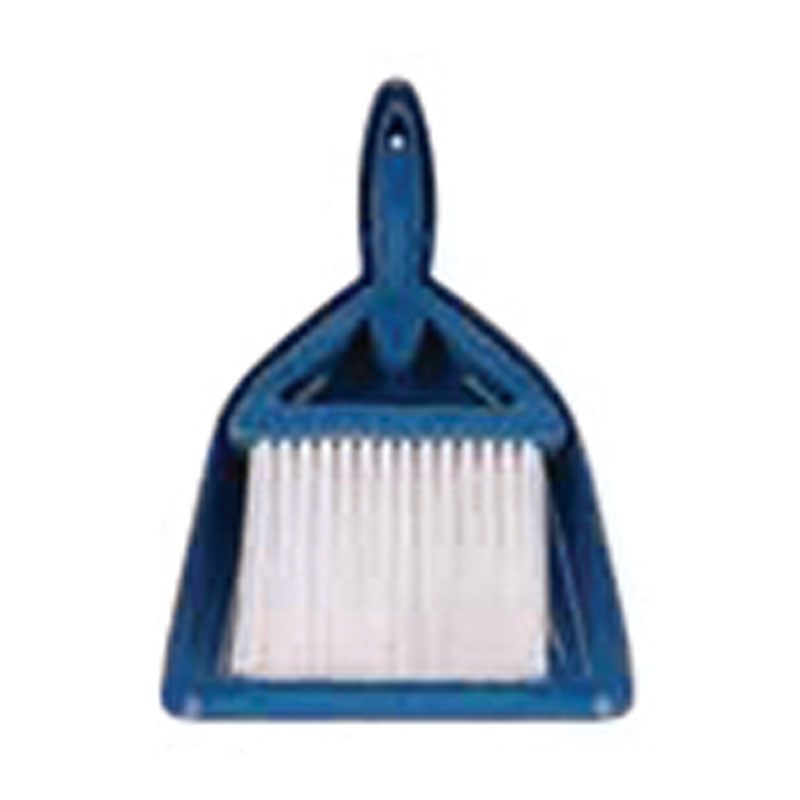
What Commodity Brush Means In Practical Use
Commodity Brush is usually treated as a general-use brush rather than a tool designed for one fixed job. It is the kind of brush that can appear in different small tasks without being tied to a single working direction.
In real use, it is often chosen for light cleaning, simple surface treatment, or quick handling tasks where precision is not the main concern. The structure is normally kept straightforward so it can adapt to different situations without requiring special handling skills.
Unlike more specialized brushes, it does not aim to control material flow or heavy cleaning force. Instead, it sits in the middle range of usage, where flexibility matters more than detailed performance control.
In daily practice, it may be used for:
- dust removal on simple surfaces
- light cleaning in maintenance work
- quick handling of small surface areas
- general purpose tasks where tool switching is not convenient
Its value comes from being usable in different situations rather than being highly specialized for one task.
How Paint Brush Functions In Surface Coating And Decoration Work
Paint Brush has a more focused role compared to general brush types. It is mainly used when coating materials need to be applied onto a surface in a controlled way. The brush structure is arranged so that liquid material can be carried and spread during movement.
When in use, the bristles interact directly with paint or similar materials, and the way the brush is moved has a clear effect on how the surface turns out. Small changes in hand pressure or angle can influence how evenly the coating spreads.
This makes Paint Brush more sensitive to handling compared to general brushes. It is not just about applying material, but also about controlling how that material behaves on the surface.
Typical usage behavior includes:
- gradual spreading of coating across surfaces
- adjustment of texture depending on movement speed
- variation in coverage based on pressure level
- direct response to user handling style
It is often used in tasks where surface appearance and coating control matter during application.
How Floor Brush Works In Different Ground Cleaning Environments
Floor Brush is mainly used for cleaning ground surfaces, where contact with larger areas is required. Its design is shaped by the need to maintain stable contact with floors during movement.
In smoother environments, the brush moves easily and covers surfaces with steady motion. In more uneven or rough areas, the bristles adjust by bending slightly, allowing continued contact without losing cleaning effect.
Unlike painting tools, Floor Brush is less about precision and more about continuous surface coverage. The movement is usually repetitive, focusing on pushing dust, water, or small particles along the surface.
In practical use, it is commonly involved in:
sweeping dust from flat ground areas
- cleaning slightly textured or uneven surfaces
- working in wet or dry conditions depending on need
- continuous back and forth motion during cleaning work
Its behavior is closely linked to how well it stays in contact with the surface during use.
Application Differences Between Brush Types
In actual working environments, Commodity Brush, Paint Brush, and Floor Brush rarely behave in the same way, even when they are used in similar spaces. The difference is not only in purpose but also in how each tool reacts once it meets a surface.
Paint Brush is usually connected with surface coating work. When it touches a wall, wood, or metal surface, the bristles begin to spread material in a way that depends heavily on movement. The same brush can create slightly different results depending on how fast or slow it is moved. This makes it more sensitive to handling rhythm compared to general tools.
Floor Brush works in a very different direction. Instead of spreading material, it focuses on pushing and gathering dust, water, or small particles across ground surfaces. The movement is repetitive and wide, often covering larger areas in a single motion. Its behavior is more about maintaining contact than controlling fine detail.
Commodity Brush sits somewhere between these two. It does not strictly belong to painting or cleaning. In practice, it often appears in light maintenance work, surface preparation, or situations where switching tools repeatedly is not convenient. It is flexible in use, but not specialized in any single direction.
In real operation, users often observe:
- Paint Brush reacts strongly to hand movement changes
- Floor Brush depends more on surface contact consistency
- Commodity Brush adjusts based on task type rather than precision level
These differences make each brush suitable for a different working rhythm rather than a single universal application style.
| Brush Type | Structural Focus | Working Behavior | Handling Style |
|---|---|---|---|
| Commodity Brush | General balance design | Light and mixed tasks | Flexible handling |
| Paint Brush | Material control structure | Surface coating work | Controlled movement |
| Floor Brush | Contact stability design | Ground cleaning tasks | Continuous motion |
Environmental Conditions Affecting Brush Performance
Working environments have a direct influence on how brushes behave over time. Even if the structure remains the same, changes in surface type, moisture level, or working frequency can gradually affect performance.
In indoor environments, brushes are usually exposed to smoother surfaces and more controlled conditions. Paint Brush in this setting tends to behave more predictably, since coating materials spread in a more stable way. Floor Brush also moves more easily on flat surfaces, requiring less force during cleaning.
In outdoor or less controlled environments, conditions become more varied. Dust, uneven ground, and moisture can all change how the brush interacts with the surface. Floor Brush, in particular, may need to adjust more frequently during use to maintain contact with different textures.
Commodity Brush often shows its adaptability in these environments. Because it is not designed for a single strict function, it can be used in both light indoor tasks and basic outdoor cleaning without major adjustments in handling style.
Environmental factors that often influence performance include:
- surface roughness and texture variation
- presence of dust, water, or residue
- frequency of repeated use in the same area
- storage conditions between uses
Over time, these factors can influence how flexible or stable the brush feels during operation, even if the structure remains unchanged.
Practical Selection Logic For Different Usage Needs
Choosing between Commodity Brush, Paint Brush, and Floor Brush is usually not a fixed decision. In many cases, it depends on what kind of work is being done at that moment and how much control or coverage is needed.
If the task involves surface coating, Paint Brush naturally becomes more suitable because it is designed to carry and spread liquid materials in a controlled way. Users tend to focus on how evenly the surface is covered and how much adjustment is needed during application.
If the task is related to ground cleaning, Floor Brush is often selected because it can maintain contact with larger surfaces and handle repeated movement without losing stability. It is more about covering area than fine detail.
Commodity Brush is often used when the task is not clearly defined or when multiple light operations are involved. It can be used for simple cleaning, light surface work, or temporary handling tasks where switching between specialized tools is not efficient.
A practical way to think about selection is based on working needs:
- when surface appearance control is important, Paint Brush becomes more relevant
- when ground coverage and cleaning efficiency matter, Floor Brush is more suitable
- when tasks are mixed or not highly specialized, Commodity Brush provides flexible support
Practical Observations In Real Work Use
In real usage scenarios, brushes rarely work under ideal conditions. Users often adjust their movement, pressure, and timing based on how the tool responds during operation. Over time, this creates a kind of working habit between the user and the brush.
Paint Brush users often develop a sense of how much material the bristles can carry before reloading is needed. Small adjustments in angle or pressure become part of the workflow, especially when working on larger surfaces where consistency matters.
Floor Brush users tend to adjust their pushing rhythm based on surface resistance. On smoother floors, movement feels lighter, while rough surfaces require more controlled force to maintain cleaning coverage.
Commodity Brush usage is usually more situational. Since it can be applied in different tasks, users often switch its role depending on immediate needs rather than following a fixed pattern.
Over time, these usage behaviors show that brush performance is not only defined by structure or material, but also by how it adapts to repeated human handling in real working conditions.

-
 +86-13906791151
-
 sales@sanjiantools.com
-
 No.1 Xinggong Road, Huangzhai Town, Pujiang County, Zhejiang Province, China


Client
Copyright © Zhejiang Pujiang Sanjian Tools Co., Ltd. All Rights  浙公网安备33072602100309号
Reserved.
浙公网安备33072602100309号
Reserved.

Construction Paint Tools Factory