 sales@sanjiantools.com


 中文简体
中文简体 Deutsch
 Español
Choosing the Right Commodity Brush
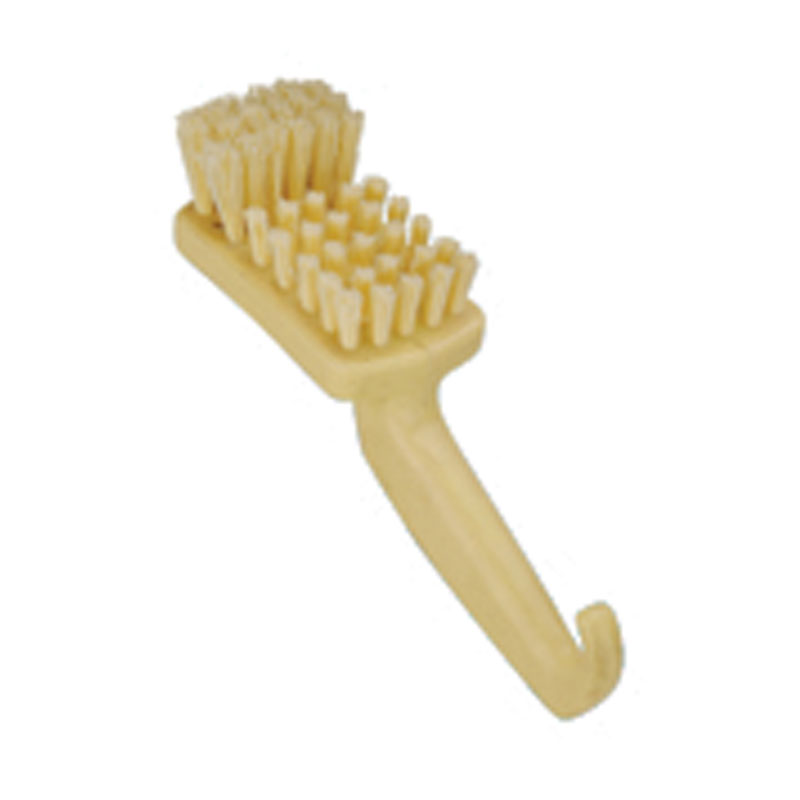
When you pick up a Commodity Brush, you want a tool that gets the job done — whether it’s scrubbing concrete, sweeping a workshop floor, removing rust from metal, or prepping surfaces before painting. The right brush type, bristle choice, and maintenance routine can make a big difference in ease of work and final results.
Match Brush Type to Task
- Soft-bristle hand brushes are good for gentle tasks: dusting furniture, cleaning painted walls, or sweeping light debris from hardwood or tile floors.
- Medium-stiff brushes suit general workshop cleaning, light rust removal from metal, or preparing wood before refinishing.
- Stiff-bristle or wire brushes handle tougher cleanup jobs: scraping old paint, cleaning concrete floors, scouring metal surfaces, or clearing scale and weld slag.
Choosing the right brush stiffness keeps surfaces intact while making cleanup efficient.
Size and Shape Matter
Brushes come in many forms:
- Small hand brushes — ideal for window frames, corners, or machinery parts.
- Mid-sized floor brushes — useful for sweeping or scrubbing moderate-size areas.
- Wide push-broom brushes — designed for sweeping large floors, patios, or garages quickly.
Depending on the size of your project — a corner, a room, or a large warehouse — selecting the right brush can save labor time and reduce fatigue.
What to Know About Productivity
Depending on job and brush type:
- A mid-size floor brush can sweep roughly 80–100 sq ft per hour on concrete or lightly dirty floors.
- For rust removal on small metal parts, a medium brush might handle 10–15 pieces per hour.
- Wide push brooms can clean 200–300 sq ft per hour in open areas, depending on debris density.
These rough benchmarks help you plan how many brushes you need and how long cleaning will take.
Brush Maintenance Extends Use
To keep brushes working well:
- Rinse off paint, rust particles, or dust after each job — grit left inside the bristles wears them down faster.
- Dry brushes thoroughly before storage — especially natural-fiber brushes, which can deform or rot if stored wet.
- Replace brushes when bristles wear out or lose stiffness — worn brushes can damage surfaces or underperform.
With simple care, brushes stay effective longer and deliver consistent results.
Good Fits for a Commodity Brush
A well-chosen Commodity Brush works well for:
- Warehouse, garage, or workshop floor cleaning
- Metal-shop cleanup and rust or weld-slag removal
- Surface preparation before painting or coating
- Outdoor sweeping (driveways, patios, sidewalks)
- Routine maintenance in apartment buildings, offices, or commercial facilities
Because of its flexibility, a Commodity Brush remains a handy all-purpose tool.
What to Include When Requesting Quotes
If you contact suppliers for bulk or custom purchase, include:
- Task type (light cleaning, heavy scrubbing, rust removal, sweeping, etc.)
- Surface material (wood, concrete, metal, painted wall, etc.)
- Approximate coverage area or number of items to clean
- Preferred bristle type (soft, medium, stiff, synthetic, natural)
- Desired brush size or shape (hand brush, floor brush, push broom)
With these details, suppliers can recommend a brush or set that matches your actual needs.
A Commodity Brush isn’t a one-size-fits-all tool — but with a clear task definition, correct brush choice, and simple upkeep, it becomes a practical ally for cleaning, maintenance, and preparation work. Choose wisely, maintain regularly, and you’ll get reliable performance whether you’re sweeping a floor or prepping a surface.

-
 +86-13906791151
-
 sales@sanjiantools.com
-
 No.1 Xinggong Road, Huangzhai Town, Pujiang County, Zhejiang Province, China


Client
Copyright © Zhejiang Pujiang Sanjian Tools Co., Ltd. All Rights  浙公网安备33072602100309号
Reserved.
浙公网安备33072602100309号
Reserved.

Construction Paint Tools Factory